
According to Alaska Department of Transportation & Public Facilities crash-reporting data, there were approximately 10,200 total traffic crashes statewide in 2023. This figure includes all reportable collisions (fatal, injury and property-damage only) across the state. There were 60 motor vehicle-related fatalities in 2022 and around 52 in 2023, which is about 8.2 deaths per 100,000 population. Alaska's fatality figures are lower in absolute terms than many states, though still significant given the smaller population. Thousands of people are injured each year statewide in crashes with estimates of over 4,800 injuries annually from car crashes. Anchorage accounted for 4,100 of 10,200 statewide crashes in 2023, which accounts for about 40% of all crashes in the state.
In Alaska in 2023, passenger cars were involved in 18 fatalities, accounting for about 30% of the state's traffic deaths.
Motorcycles were involved in 8 fatal crashes, representing 13% of total traffic fatalities.
Light trucks and SUVs accounted for 19 fatalities, making up 32% of the total.
No fatalities were reported involving buses or public transportation vehicles in Alaska in 2023.
No deaths were reported in crashes involving semi or tractor-trailer vehicles in 2023.
Pedestrian crashes resulted in 12 deaths, comprising 20% of Alaska's traffic fatalities.



This scenic coastal route from Anchorage to Seward is frequently cited as one of Alaska's most dangerous roads due to high traffic volume, challenging curves, narrow sections, and frequent weather-related hazards.


Wildlife collisions (especially moose) and mixed vehicle types (RVs, trucks) contribute to a significant number of serious and fatal crashes.


Two-lane rural segments with frequent head-on and run-off-road crashes contribute to its danger.

A major commuter and freight route with a history of crashes, including rear-end and high-speed collisions.
These urban corridors aren't long rural highways, but they are among the city's worst locations for crashes and injuries, particularly during peak traffic hours.
Single-vehicle fatal car accidents happen near Fairbanks, Wasilla, and Palmer due to icy roads.
of fatal car accidents in Alaska happen in rural areas.

Multiple-vehicle fatal car accidents happen in Anchorage, particularly along the Seward Highway and Glenn Highway corridors.
of fatal car accidents in Alaska happen in urban areas.


A car accident can be overwhelming and stressful, even if it's minor. Knowing what steps to take immediately afterward can help protect your health, your legal rights, and your financial interests. Here are five essential things to do after an accident:
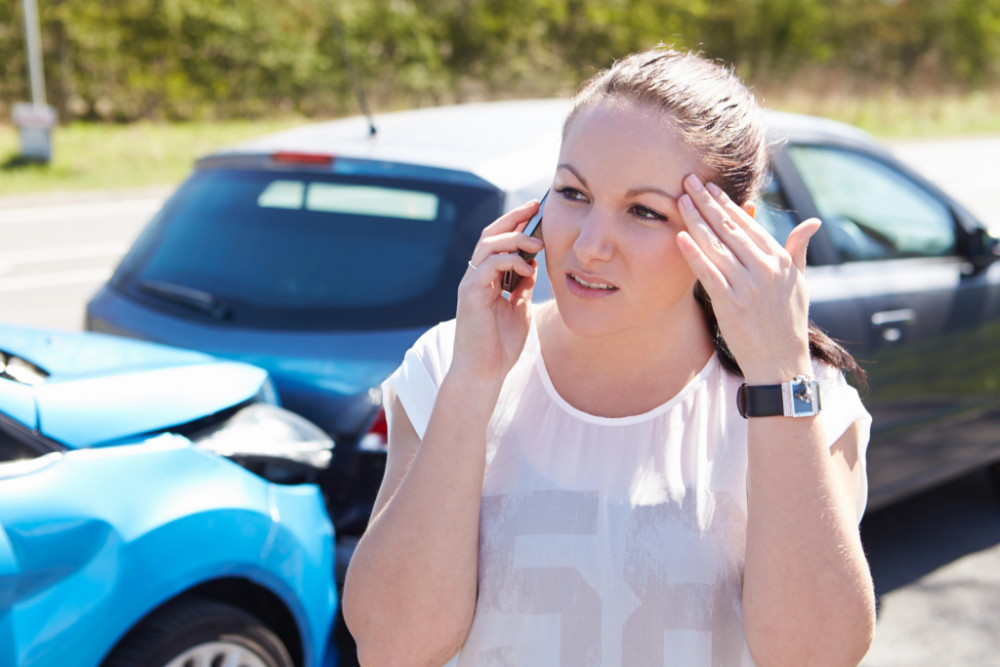

Your safety comes first. Check yourself and others for injuries and call 911 immediately if anyone is hurt. Even if injuries seem minor, it's important to get medical attention, as some symptoms may not appear right away. If possible, move to a safe location away from traffic while waiting for help to arrive.

Always report the accident to the police. An official police report creates an objective record of what happened, which can be critical for insurance claims and legal matters. Cooperate with the officer, provide accurate information, and avoid admitting fault at the scene.

If it's safe to do so, gather as much information as possible. Take photos or videos of the vehicles, damage, license plates, road conditions, traffic signs, and any visible injuries. Exchange contact and insurance information with the other driver(s) and attempt getting contact details from any witnesses in the area.

Even if you feel fine, consider seeing a medical professional as soon as possible. Injuries such as whiplash, concussions, or soft-tissue damage can take hours or days to show symptoms.

Report the accident to your insurance provider promptly and provide them with accurate details. Stick to the facts and avoid speculation. Keep copies of all documents related to the accident, including medical bills, repair estimates, and correspondence with insurers.
Here are some important Alaska driving laws you should be aware of, especially if you're driving in rural areas or during harsh weather conditions:

The Moose on the Highway Law: This oddly specific law makes it illegal to push a live moose out of a moving airplane onto a public road or highway. While this seems like a bizarre piece of aviation and traffic legislation ever written, it is rumored that Alaskan lawmakers felt compelled to create this law due to a “Talkeetna Moose Dropping Festival.” This largely misunderstood community festival does not involve any actual moose but instead involves dropping painted moose droppings from an airplane as a fundraising game.
The Dog Sled Right of Way Law: During officially sanctioned dog sled events in Alaska, dog sleds have the legal right of way over motor vehicles on certain public roads and trails. Driving through Alaska during the famous Iditarod Trail Sled Dog Race will most likely involve some delays, as the law is firmly and unambiguously on the side of the dogs and all motor vehicles are required to yield.
The Tethering a Dog to the Roof Law: In Alaska, it is illegal to tether or secure a dog to the roof of a motor vehicle while driving on a public road or highway. While most people would never consider such a heinous act of cruelty, the state wanted to make sure by enacting this law. The fact that Alaska state lawmakers had to specifically address the issue suggests that someone somewhere in the state once genuinely believed that strapping a dog to the roof of their car was a perfectly acceptable and reasonable way to travel with their beloved pet.
The Drunk Moose Phenomenon: In Alaska, it is not uncommon for moose to become intoxicated by eating fermented berries and then wander onto public roads in a visibly inebriated state. While there is no specific law addressing drunk moose on public roads, Alaskan drivers are legally required to yield to all moose on public roads regardless of their sobriety level. Alaska is the only state in the country where encountering a drunk and disorderly moose in the middle of the highway is considered a perfectly normal occurrence.
The No Driving While Sleepy Law: This is another one of those common-sense types of laws that helps improve road safety by making it illegal to operate a motor vehicle on a public road while in a state of extreme fatigue or drowsiness. Given Alaska's vast distances, remote highways, and long stretches of road with no services or rest areas, this law is considered particularly important for ensuring the safety of drivers who might be tempted to push through their exhaustion rather than stopping to rest.
The Shooting from a Moving Vehicle Law: In Alaska, it is strictly illegal to shoot any firearm from a moving motor vehicle on a public road or highway unless you are shooting in an effort to defend yourself from an attacking animal. Given the fact that Alaska's wild landscape has no shortage of dangerous wildlife, this exception recognizes the unique challenges faced by Alaskan drivers who may occasionally find themselves in the extraordinary situation of needing to defend themselves.
The Bicycle on a Frozen Lake Law: In Alaska, it is legal to ride a bicycle on a frozen lake or river, provided that the ice is thick enough to safely support the weight of the bicycle and its rider. In fact, Alaska is one of the few states that recognize certain lakes as active roadways during the cold winter months. The law is aimed to address unique Alaskan transportation challenges that simply do not exist anywhere else in the country.
The Reindeer Crossing Law: In Alaska, drivers are legally required to yield to reindeer crossing a public road, particularly in rural and remote areas of the state where reindeer herding is still practiced as a traditional and culturally significant activity. This law is firmly on the side of Santa's favourite animals and your travel schedule will simply have to accommodate their leisurely timeline.
The Snow Machine Highway Law: In Alaska, snow machines or snowmobiles, are legally allowed to cross public roads and highways at designated crossing points but are explicitly prohibited from traveling along public roads or highways for extended distances. In some remote parts of Alaska snowmobiles often act as primary modes of transportation during the long winter months. This law represents a careful balance between the needs of the locals and the safety of public road networks.
The Studded Tire Season Law: In Alaska, studded snow tires are permitted for use during the winter months, recognizing the state's extreme winter weather conditions and the critical need for enhanced traction on snow- and ice-covered roads throughout the state. However, the use of studded tires is strictly regulated and subject to specific seasonal guidelines during the summer months, ensuring that road surfaces are not unnecessarily damaged.
Allowing Faster Traffic to Pass on Overcrowded Roadways: If you are driving on any of Alaska’s two-lane highways with five or more vehicles behind you, you are required to safely pull over to the side of the road to let the faster traffic pass. This law helps reduce congestion and bottlenecking.
The Wildlife Feeding from a Vehicle Law: In Alaska, it is illegal to feed wild animals from a motor vehicle on a public road or in a public area. Given Alaska's extraordinary abundance of wildlife, including bears, moose, wolves and caribou, this law is designed to prevent dangerous interactions between humans and wild animals that could result in serious injury or death.
No Living in Moving Trailers Law: In Alaska it is illegal to reside in a trailer while it is being transported. All RV and trailer occupants are required to be seated with their seatbelts securely fastened while the vehicle is in motion just like in any other vehicle.
No Waking a Sleeping Bear Law: In Alaska it is illegal to wake a sleeping bear, as it can affect their internal sleep cycle and create serious safety concerns.