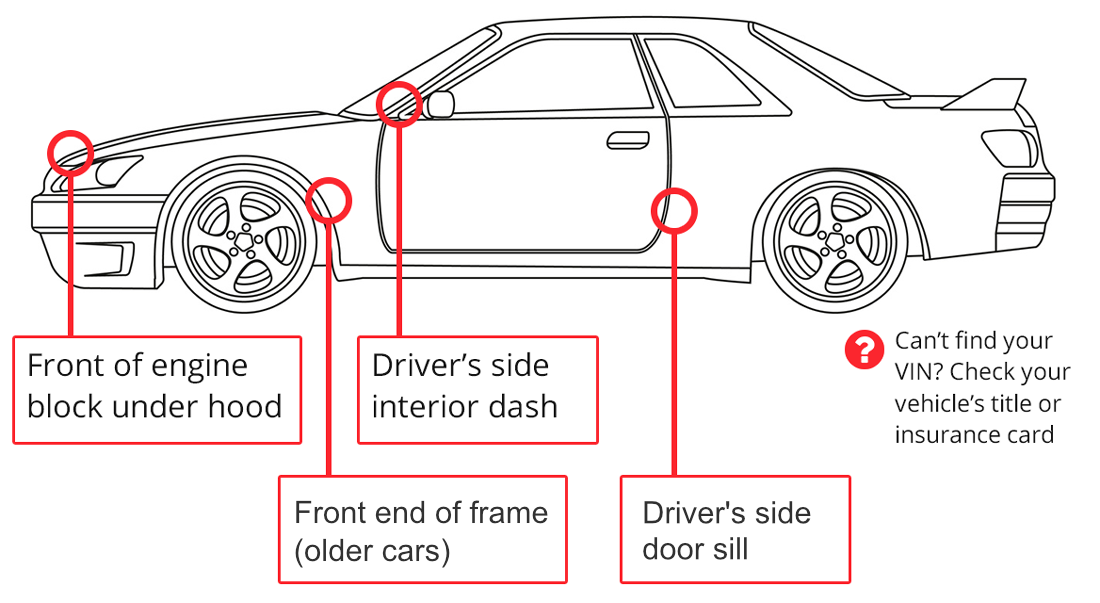

Please check your VIN to make sure it's valid and try your search again.
VIN must be made up of exactly 17 characters and belongs to a vehicle manufacturer after 1980.

Discover if a vehicle has a lien, has been repossessed, and access sale records.
Reports are available on Cars, Trucks, Vans, RVs and Motorcycles.





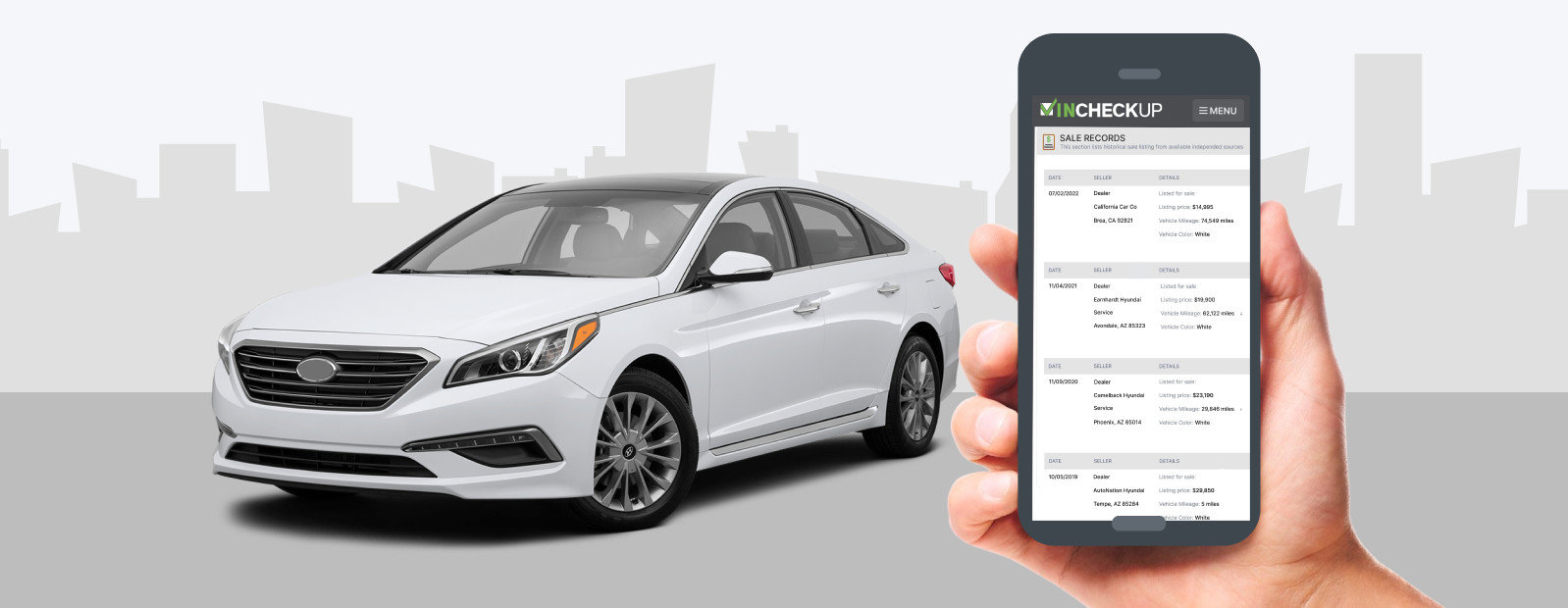
VinCheckUp Vehicle History Reports compile data on a vehicle's past sales, including details related to the number of previous owners, transaction dates, amounts, sale locations and additional details.

Records may include data on past sales and owner related incidents such as repossession, change of ownership dates and locations and ownership related claims.

Include details about any existing liens on the vehicle, providing insights into Lien holder information, dates, amounts, and status.

Identifying the type of lien that is placed on the vehicle is crucial to understanding the vehicle's ownership status and value.


Enter VIN & Search


Review Preliminary Results
Register & Download Report
Unlike other vehicle history report providers, VinCheckUp.com offers users comprehensive, real-time Federal Gov't Title & Total Loss data & more, at an affordable price. We use advanced, powerful tools that allow you to access the National Vehicle Title Information System as well as additional record sources to check an automobile's title history, including its reported odometer readings(s). You can also determine whether the used vehicle has ever been junked, salvaged or flooded.


Ali
"The seller never disclosed that the car was involved in such a big accident, he only told me it was a minor fender bender or something of that nature but when I check your report I can see that the vehicle was a total loss. Your report saved me from a lot of aggravation and stress dealing with a dishonest seller."

V.U.
"It took me a while to figure out how to use it. But once I got it to work I got my report. Much cheaper than Carfax. This is my go to site."
Trevor Lundrgen
"Great app told me everything I needed to know about the vehicle I was trying to buy"
Most commonly a lien is generated due to an outstanding debt owed on a vehicle, most commonly generated during purchase as part of a financing deal or an outstanding vehicle repair balance. A lien is essentially an ownership claim against the vehicle. By doing a lien history check, it is possible to identify any undischarged liens to get a better understanding of the vehicle's legal ownership status.
A buyer may be held liable for the car-related debts incurred by the previous owner. In some cases, the buyer may even lose possession of the vehicle, as the lienholder may have the right to seize the vehicle after a certain period of non-payment.
Yes, repossession records may appear when they were officially reported.
It may help identify any discrepancies in ownership, limiting the seller's right to transfer the title.
Yes, but the lien must be paid off before the title can be transferred. In some rare cases the buyer is able to take over the outstanding debt in writing with the lienholder.