

In California, vehicle crash statistics for 2023 show that traffic fatalities decreased from 4,539 in 2022 to 4,061 deaths, although roadway accidents continue to remain a major public safety concern across the state. Alcohol-impaired driving was involved in 1,355 fatal crashes, while unrestrained passenger fatalities totalled 780 deaths, highlighting the continued impact of unsafe driving behaviours. Motorcycle fatalities declined to 583 deaths, pedestrian fatalities reached 1,106 deaths, and bicycle fatalities totalled 145 deaths, showing that vulnerable road users remain at significant risk. Teen drivers involved in fatal crashes also decreased to 428 incidents during the year. Urban areas recorded the highest number of crashes because of dense traffic and congestion, while rural highways continued to experience severe and high-speed fatal accidents. Major contributing factors included speeding, distracted driving, impaired driving and failure to wear seatbelts, all of which continue to contribute heavily to serious injuries and fatalities throughout the state.
In California, passenger cars were involved in 1,343 traffic fatalities, accounting for 33% of all traffic deaths.
Motorcycles were involved in 583 fatalities, representing 14% of total traffic deaths.
Light trucks and SUVs accounted for 752 fatalities, making up 19% of the total.
Buses and public transportation vehicles were involved in approximately 145 fatalities, accounting for 4% of all traffic deaths.
Approximately 18 fatalities involved semi or tractor-trailer vehicles, representing less than 1% (rounded to 0%) of total traffic fatalities.
Pedestrian crashes resulted in 1,106 fatalities, making up a significant 27% of all traffic deaths in California.



California's deadliest freeway, stretching from Southern California to the Oregon border. Heavy truck traffic, high speeds, fatigue-related crashes and long rural stretches contribute to frequent fatal accidents.


Running through Los Angeles and Southern California, I-10 experiences severe congestion, aggressive driving and high-speed multi-vehicle crashes. It is one of the busiest and most accident-prone highways in the state.


Known for heavy commercial traffic through California's Central Valley, Highway 99 has a long history of deadly crashes involving trucks, speeding and unsafe lane changes.

Famous for scenic coastal views but extremely dangerous due to sharp curves, cliffs, distracted driving, fog and narrow lanes. Fatal crashes are common along coastal sections.

One of California's busiest highways, especially through Los Angeles, San Francisco and coastal cities. Congestion, distracted driving and frequent merging traffic contribute to many severe collisions.
Single-vehicle fatal car accidents occur in rural areas, mountain highways and Central Valley regions such as Fresno County.
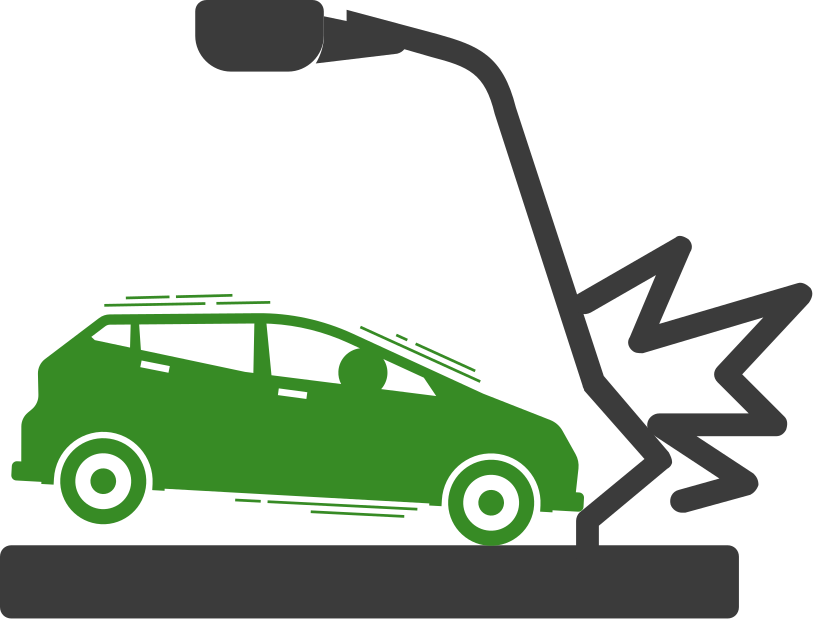
of fatal car accidents in California happen in rural areas.

Multiple-vehicle fatal car accidents occur most frequently in urban freeway systems around Los Angeles, San Diego, Sacramento and the Bay Area.
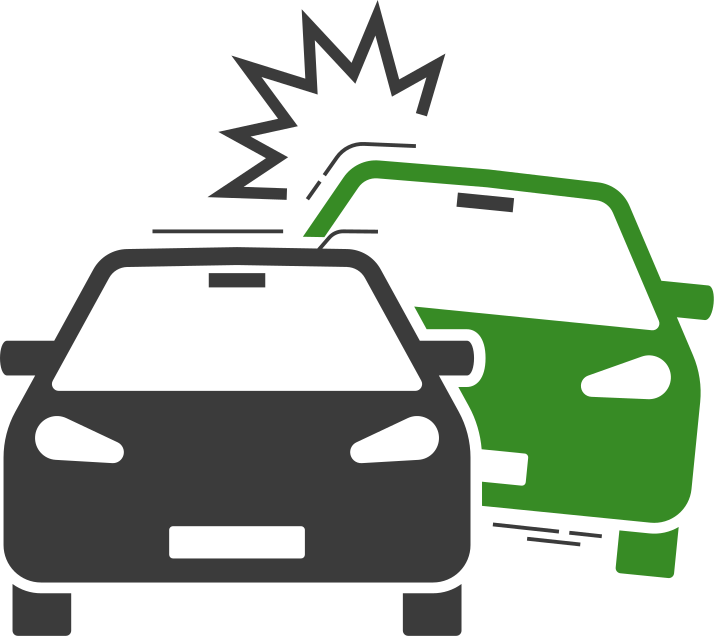
of fatal car accidents in California happen in urban areas.

A car accident can be overwhelming and stressful, even if it's minor. Knowing what steps to take immediately afterward can help protect your health, your legal rights, and your financial interests. Here are five essential things to do after an accident:
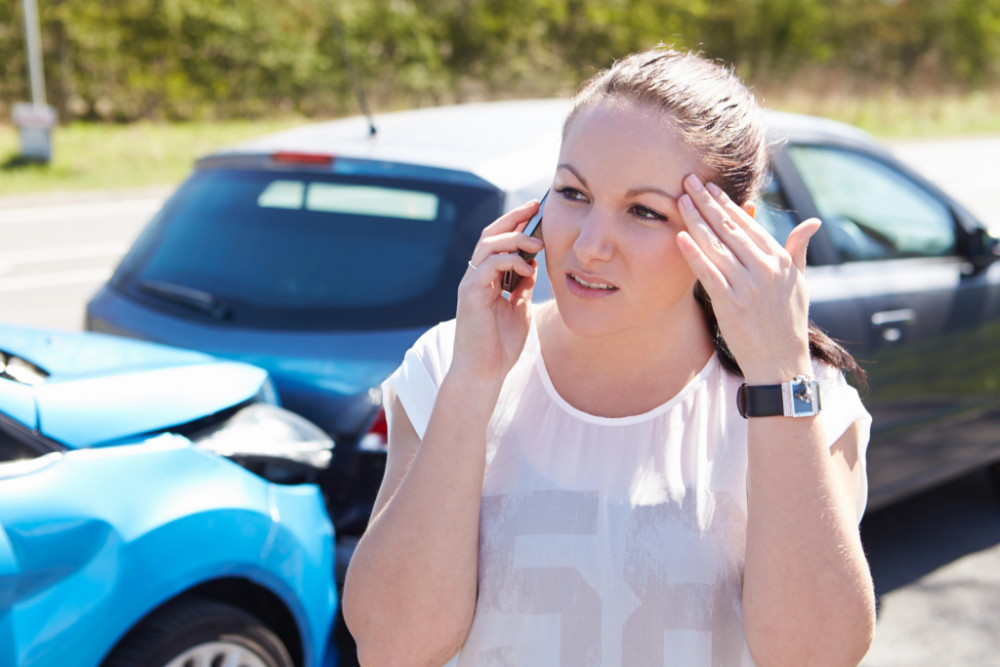

Your safety comes first. Check yourself and others for injuries and call 911 immediately if anyone is hurt. Even if injuries seem minor, it's important to get medical attention, as some symptoms may not appear right away. If possible, move to a safe location away from traffic while waiting for help to arrive.

Always report the accident to the police. An official police report creates an objective record of what happened, which can be critical for insurance claims and legal matters. Cooperate with the officer, provide accurate information, and avoid admitting fault at the scene.

If it's safe to do so, gather as much information as possible. Take photos or videos of the vehicles, damage, license plates, road conditions, traffic signs, and any visible injuries. Exchange contact and insurance information with the other driver(s) and attempt getting contact details from any witnesses in the area.

Even if you feel fine, consider seeing a medical professional as soon as possible. Injuries such as whiplash, concussions, or soft-tissue damage can take hours or days to show symptoms.

Report the accident to your insurance provider promptly and provide them with accurate details. Stick to the facts and avoid speculation. Keep copies of all documents related to the accident, including medical bills, repair estimates, and correspondence with insurers.

No Hunting from Cars: In California, it is illegal to shoot any game from a moving vehicle. However, there is just one single and rather bizarre exception made for whales. One must wonder how whale hunting from a vehicle is even possible.
The Bicycle Lane Law: Under California Vehicle Code Section 21209, it is illegal for a motor vehicle to drive in a designated bicycle lane on a public road, except when making a turn, entering or exiting a driveway, or in emergency situations. This law aims to ensure bicyclist safety and is strictly enforced throughout the state and carries significant fines for violators.
The Distracted Driving Law: The state of California takes distracted driving very seriously, as it is attributed to numerous car crashes causing around 150 fatalities annually. Under California Vehicle Code Section 23123, it is illegal for any driver to use a handheld electronic device while operating a motor vehicle on a public road or highway. California has one of the strictest distracted driving laws in the United States, requiring all drivers to use hands-free technology when making phone calls or accessing electronic devices while behind the wheel. Fines start at $162 for a first offense and increase significantly for repeat offenses.
The Autonomous Vehicle Law: California is one of the very few states in the country to write into law comprehensive laws governing the operation of autonomous and driverless vehicles on public roads. The California Department of Motor Vehicles is responsible for issuing permits to manufacturers and operators of autonomous vehicles and for establishing the regulatory framework that governs their testing and deployment on California public roads.
The No Leaving a Car Running Unattended Law: Under California Vehicle Code Section 22515, it is illegal to leave a motor vehicle running and unattended on a public road or in a public place without a licensed driver present in the vehicle. This law aims to deter vehicle theft and reduce pollution and is strictly enforced throughout the state and can result in a fine for drivers who leave their vehicles running while unattended.
The Move Over Law: Under California Vehicle Code Section 21809, all drivers are legally required to move over one lane or reduce their speed significantly when passing emergency vehicles, law enforcement vehicles, tow trucks or roadside assistance vehicles that are stopped on the side of the road with their lights flashing. Failure to comply with California's Move Over Law can result in hefty fines of up to $1,000. This is considered one of the most seriously enforced traffic safety laws in the state.
Earbuds & Headset Restrictions: It is illegal to wear a headset or earbuds in both ears while operating a vehicle on public roads. Drivers must be able to hear their surrounding environment to ensure they can hear horns, emergency sirens and yield to emergency vehicles. Drivers are allowed to wear one earpiece for communication, but one ear must be left unobstructed.
The DUI Law: Under California Vehicle Code Section 23152, it is illegal to operate a motor vehicle with a blood alcohol content of 0.08% or higher for drivers over the age of 21. A zero-tolerance policy applies to drivers under the age of 21. California has some of the most severe DUI penalties in the nation, including mandatory license suspension, significant fines, mandatory alcohol education programs, ignition interlock device installation, and potential jail time even for first-time offenders.
The Road Rage Law: Under California Vehicle Code Section 13210, aggressive driving and road rage behaviours are considered serious traffic violations that can result in criminal charges, significant fines, mandatory anger management programs, and even jail time for extreme cases. California law enforcement takes road rage very seriously and actively monitors public roads for drivers who engage in aggressive, threatening or dangerous behaviour towards others.
The Headlight Requirement Law: Under California Vehicle Code Section 24400, all drivers are legally required to turn on their headlights between sunset and sunrise and whenever visibility is reduced to less than 1,000 feet due to weather conditions such as rain, fog or smoke. Driving without headlights during these conditions is considered a serious traffic violation in California and can result in a fine as well as increased liability in the event of a traffic accident caused by reduced visibility.
The Funeral Procession Law: Under California Vehicle Code Section 21704, all drivers are legally required to yield to funeral processions on public roads. Drivers are strictly prohibited from cutting through, interfering with or joining a funeral procession without being an official part of it. The state honours the people that have passed and their grieving families and anyone that violates California's funeral procession law may face significant fines.
The Studded Tire Law: Under California Vehicle Code Section 27459, the use of studded snow tires is permitted in California only in designated mountain and snow areas during the winter months. Using studded tires on dry roads during periods when they are not required for safe winter driving can cause significant damage to road surfaces and can result in a fine.
The Railroad Crossing Law: Under California Vehicle Code Section 22451, all drivers are legally required to come to a complete stop at railroad crossings when a train is approaching or when crossing signals are activated, stopping no closer than 15 feet from the nearest rail. Violating California's railroad crossing law is considered one of the most seriously enforced traffic safety regulations in the state and carries significant penalties for drivers who fail to comply with this law.