

In 2023, Indiana recorded 198,247 traffic collisions statewide, representing about a 4% decrease compared with 2022. The state reported 871 fatal collisions, with approximately 898 total traffic deaths in 2023, a decline from about 985 fatalities in 2022. Incapacitating injury collisions increased from 3,965 in 2022 to 4,105 in 2023, while property-damage-only collisions decreased by about 6%, and non-incapacitating injury crashes rose slightly. Passenger vehicles-including cars, pickups, SUVs and vans-accounted for about 94% of all vehicles involved in collisions, while large trucks (excluding pickups) made up around 5%. Motorcycles, buses and school buses each represented less than 1% of vehicles involved in crashes. Additionally, pedestrian-involved crashes increased to a five-year high of 2,186 in 2023 and pedestrians and pedal cyclists experienced higher proportions of fatalities and injuries relative to passenger vehicles, although they still accounted for a small share of total collisions overall.
Passenger car occupants accounted for 313 fatalities (35%) of all traffic deaths in Indiana in 2023.
Motorcyclists were involved in 145 fatalities (16%), representing one of the highest-risk road user groups in the state.
Occupants of light trucks and SUVs recorded 245 fatalities (27%), making this the second-largest vehicle category involved in fatal crashes.

Bus and public transportation-related fatalities were very limited, included within a small combined category representing about 31 deaths (3%) of total fatalities.
Large truck and tractor-trailer occupants accounted for 24 fatalities (3%) statewide.
Pedestrian deaths reached 96 fatalities (11%), highlighting ongoing safety concerns for people walking on Indiana roadways.



Indiana's most dangerous highway, connecting Indianapolis, Lafayette, and Louisville. Heavy commercial truck traffic, speeding and frequent congestion contribute to a high number of fatal crashes.


Running east-west through Indianapolis, I-70 experiences heavy commuter and freight traffic. High-speed collisions, work zones and severe weather often lead to serious accidents.


The beltway surrounding Indianapolis is one of the state's busiest roadways. Congestion, merging traffic and aggressive driving contribute to frequent multi-vehicle crashes.

A major north-south corridor known for high-speed travel, busy intersections and a history of severe crashes, especially in central Indiana.

Stretching through western Indiana, US-41 has a history of fatal crashes involving intersections, commercial vehicles and rural high-speed driving.
Single-vehicle fatal car accidents occur in rural counties across central and southern Indiana.
of fatal car accidents in Indiana happen in rural areas.

Multiple-vehicle fatal car accidents occur in the Indianapolis metropolitan area.
of fatal car accidents in Indiana happen in urban areas.


A car accident can be overwhelming and stressful, even if it's minor. Knowing what steps to take immediately afterward can help protect your health, your legal rights, and your financial interests. Here are five essential things to do after an accident:
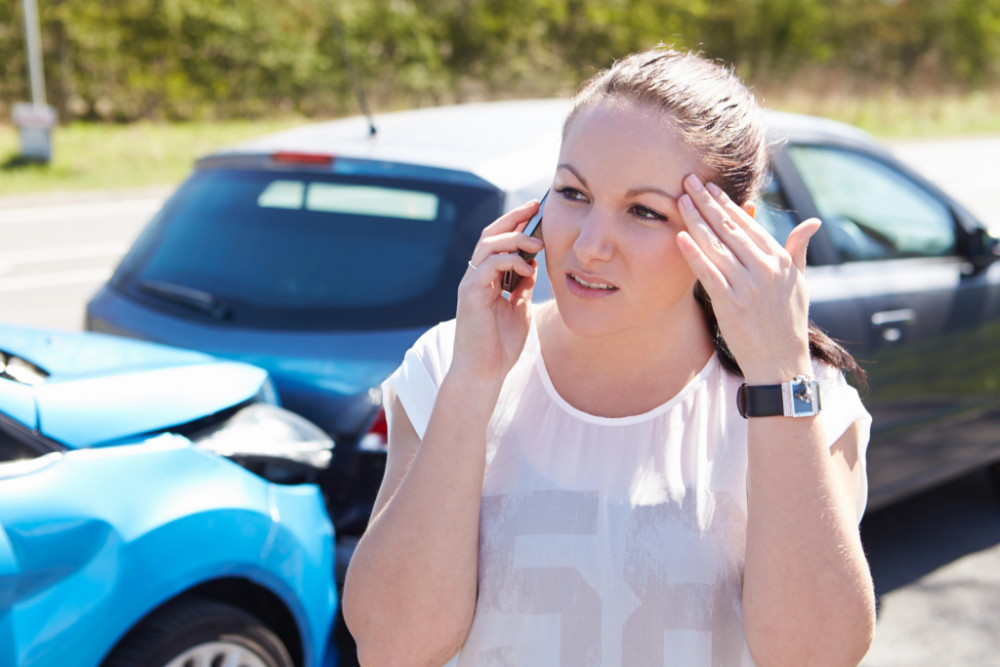

Your safety comes first. Check yourself and others for injuries and call 911 immediately if anyone is hurt. Even if injuries seem minor, it's important to get medical attention, as some symptoms may not appear right away. If possible, move to a safe location away from traffic while waiting for help to arrive.

Always report the accident to the police. An official police report creates an objective record of what happened, which can be critical for insurance claims and legal matters. Cooperate with the officer, provide accurate information, and avoid admitting fault at the scene.

If it's safe to do so, gather as much information as possible. Take photos or videos of the vehicles, damage, license plates, road conditions, traffic signs, and any visible injuries. Exchange contact and insurance information with the other driver(s) and attempt getting contact details from any witnesses in the area.

Even if you feel fine, consider seeing a medical professional as soon as possible. Injuries such as whiplash, concussions, or soft-tissue damage can take hours or days to show symptoms.

Report the accident to your insurance provider promptly and provide them with accurate details. Stick to the facts and avoid speculation. Keep copies of all documents related to the accident, including medical bills, repair estimates, and correspondence with insurers.

The No Sniffing Glue While Driving Law: This is one of those oddly specific state laws that makes it illegal to sniff glue or any other inhalant substance while operating a motor vehicle on a public road or highway. While most people would consider just the act of sniffing glue the highly inadvisable and dangerous activity ever conceived by an Indiana motorist, the fact that Indiana state law had to specifically address glue in Indiana Code § 35-46-6-2 suggests that Indiana lawmakers were determined to leave absolutely no ambiguity whatsoever about driving while intoxicated.
The No Driving a Horse-Drawn Vehicle Too Fast Law: In Indiana, horse-drawn vehicles are legally permitted to use public roads; however, they are subject to specific speed limit regulations that prohibit traveling at speeds that could be considered dangerous or reckless given the nature of horse-drawn transportation on modern public roads.
The No Roller Skating in the Street Law: According to Indiana Code 9-21-11, it is illegal to roller skate on a public road or street in certain municipalities without proper safety equipment and in a manner that interferes with motor vehicle traffic. While the act of roller skating on public roadways is not entirely banned, you can get cited and fined for contributing to motor vehicle traffic. Roller skating ranks among the most dangerous and ill-advised recreational activities ever attempted on a public road.
The No Driving While Eating Law: In Indiana, while there is no specific law explicitly prohibiting eating while driving, law enforcement officers can and do issue distracted driving citations to motorists who are observed eating behind the wheel in a manner that significantly impairs their ability to safely operate their vehicle on Indiana public roads.
The No Driving a Vehicle with Square Wheels Law: This is another one of those common-sense types of laws that the state actually put in writing, making it illegal to operate a motor vehicle on a public road or highway with wheels that are not properly round.
The No Driving Through a Funeral Procession Law: Under Indiana Code Section 9-21-15, it is strictly illegal to drive through or interfere with a funeral procession on a public road or highway. Indiana takes this law very seriously and enforces it with significant penalties for drivers who fail to yield to funeral processions, reflecting the state's deep respect for its communities and the solemn and sacred nature of funeral processions on Indiana public roads.
The No Driving a Car Without Proper Lights Law: Indiana Code Section 9-21-7 requires that all vehicles traveling on public roads and highways between sunset and sunrise are equipped with functional headlights and taillights. The law requires that all drivers have the lights illuminated during night hours and in low visibility.
The No Speeding in a School Zone Law: In accordance with Indiana Code Section 9-21-5, drivers are legally required to reduce their speed in designated school zones when children are present on or near the roadway. Indiana strictly enforces its school zone speed limits and imposes fines that are significantly higher than standard speeding fines for violations that occur in active school zones where children are present, reflecting the state's serious and unwavering commitment to protecting its most vulnerable road users.
The No Driving While Texting Law: Under Indiana Code Section 9-21-8-59, it is illegal for any driver to use a handheld electronic device to send or receive text messages while operating a motor vehicle on a public road or highway. Indiana's texting while driving law carries fines starting at $500 for a first offense and increasing significantly for repeat violations.
The No Street Racing Law: Under Indiana Code Section 9-21-6, street racing is explicitly forbidden. It is unlawful to participate in any type of motor racing on public roads or highways. Indiana takes its street racing laws extremely seriously and enforces them with significant penalties, including substantial fines, mandatory license suspension, and potential vehicle impoundment.
The No Driving an Unsafe Vehicle Law: The state of Indiana requires that all vehicles using its public roadways and highways be in safe mechanical condition. Law enforcement officers have the authority to pull over and inspect any vehicle they believe to be mechanically unsafe. Drivers found operating unsafe vehicles can face significant fines and be required to immediately remove their vehicle from public roads until all necessary mechanical repairs have been completed and the vehicle has been restored to a safe and roadworthy mechanical condition.
The “Dead Red” Law: Under Indiana Code 9-21-3-7, drivers are permitted to legally proceed through a solid red light if they wait at the intersection for over 2 minutes without the signal changing. This law is intended to account for cases where the traffic light may be misfunctioning or is disabled.
Get a driver’s license when you turn 16: In Indiana teens are permitted to obtain their full driver’s license as soon as they turn 16 years of age. Unlike many other states, Indiana does not have the mandatory 90-day waiting period or provisional junior license requirements.
The No Driving a Tractor on a Highway Law: In Indiana, agricultural tractors and farm equipment are subject to specific speed limits and road use regulations when operating on public roads and highways. While Indiana's strong agricultural traditions mean that farm equipment on public roads is a common and entirely normal sight throughout the rural Hoosier State, Indiana law imposes specific requirements on tractor operators to ensure the safe coexistence of slow-moving agricultural vehicles and faster-moving conventional motor vehicle traffic.