

In Iowa, vehicle crash statistics for 2023 show that traffic fatalities reached 377 deaths, marking the deadliest year on Iowa roads since 2016 and representing an increase of nearly 12% compared to 2022. A significant share of these fatalities occurred in rural areas, where approximately 60% of deadly crashes involved single-vehicle incidents on high-speed roadways. Speeding, distracted driving, impaired driving and failure to wear seatbelts remained the leading contributors to fatal crashes, with nearly half of those killed not wearing a seatbelt at the time of the collision. Motorcyclists were also disproportionately affected, accounting for about 17% of all traffic fatalities despite representing a small percentage of registered vehicles. Rural highways, two-lane roads and interstate corridors such as I-80 continued to experience severe crashes, particularly during adverse weather conditions. Overall, risky driving behaviours and rural roadway conditions remained the primary factors contributing to serious injuries and fatalities across Iowa.
In Iowa in 2023, passenger car occupants were involved in approximately 131 fatalities, accounting for about 35% of all traffic deaths statewide.
In Iowa in 2023, motorcyclists were involved in about 64 fatalities, representing roughly 17% of total traffic deaths.
In Iowa in 2023, occupants of light trucks and SUVs accounted for around 107 fatalities, making up approximately 28% of statewide traffic fatalities.

In Iowa in 2023, bus and public transportation vehicles were involved in approximately 5 fatalities, contributing to about 1% of total traffic deaths.
In Iowa in 2023, semi-trucks and tractor-trailers were connected to about 30 fatalities, representing roughly 8% of all traffic fatalities.
In Iowa in 2023, pedestrian fatalities totalled approximately 31 deaths, accounting for about 8% of statewide traffic fatalities.



Iowa's busiest highway and one of its deadliest. Heavy commercial truck traffic, high speeds, winter weather and long rural stretches contribute to a large number of fatal crashes.


A major north-south corridor that experiences frequent severe crashes involving passenger vehicles and trucks. Weather-related accidents and high-speed collisions are common.


Running across northern Iowa, US-20 has a history of fatal head-on collisions, intersection crashes and high-speed rural accidents.

One of Iowa's most dangerous highways due to numerous intersections, commercial traffic and rural roadway departure crashes.

Connecting Cedar Rapids and Iowa City, I-380 experiences heavy commuter traffic, congestion and frequent multi-vehicle collisions.
Single vehicle fatal car accidents occur on rural roads throughout Iowa, particularly in western and northern parts of the state.
of fatal car accidents in Iowa happen in rural areas.

Multiple vehicle fatal car accidents occur most frequently in and around Des Moines, Cedar Rapids and Davenport where traffic volumes are highest.
of fatal car accidents in Iowa happen in urban areas.


A car accident can be overwhelming and stressful, even if it's minor. Knowing what steps to take immediately afterward can help protect your health, your legal rights, and your financial interests. Here are five essential things to do after an accident:
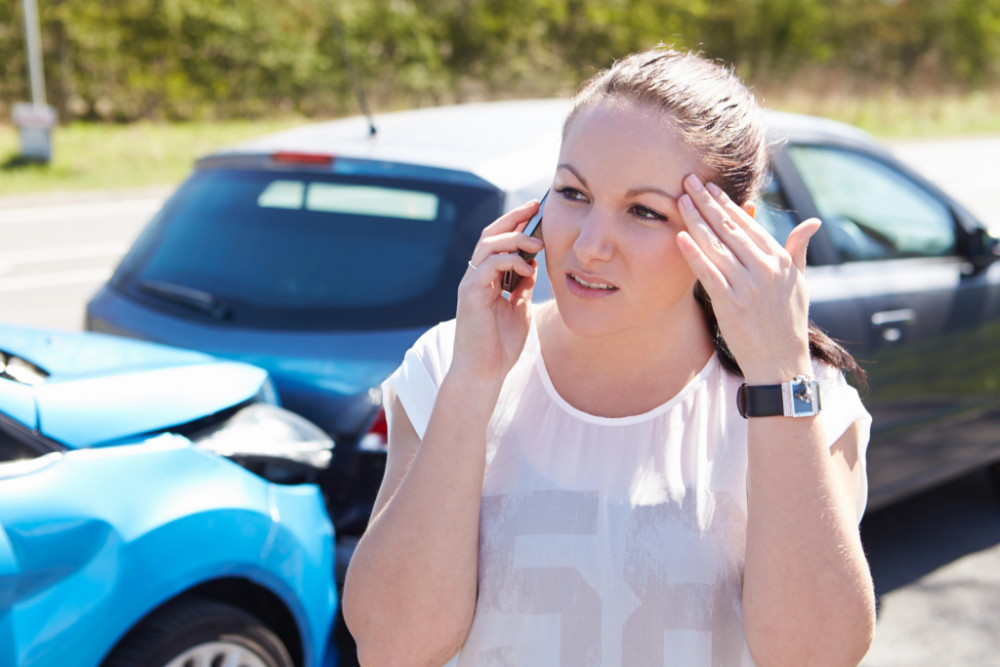

Your safety comes first. Check yourself and others for injuries and call 911 immediately if anyone is hurt. Even if injuries seem minor, it's important to get medical attention, as some symptoms may not appear right away. If possible, move to a safe location away from traffic while waiting for help to arrive.

Always report the accident to the police. An official police report creates an objective record of what happened, which can be critical for insurance claims and legal matters. Cooperate with the officer, provide accurate information, and avoid admitting fault at the scene.

If it's safe to do so, gather as much information as possible. Take photos or videos of the vehicles, damage, license plates, road conditions, traffic signs, and any visible injuries. Exchange contact and insurance information with the other driver(s) and attempt getting contact details from any witnesses in the area.

Even if you feel fine, consider seeing a medical professional as soon as possible. Injuries such as whiplash, concussions, or soft-tissue damage can take hours or days to show symptoms.

Report the accident to your insurance provider promptly and provide them with accurate details. Stick to the facts and avoid speculation. Keep copies of all documents related to the accident, including medical bills, repair estimates, and correspondence with insurers.

No Horses on Highways Law: In the state of Iowa, horses and other livestock are generally prohibited from traveling on interstate highways and certain designated public roads without the express permission of the appropriate state transportation authorities.
No Operating While Intoxicated on a Horse Law: Under Iowa’s Operating While Intoxicated (OWI) statutes, it is illegal to ride a horse while under the influence of alcohol or drugs on a public road. While the OWI laws refer specifically to motor vehicles, it does not mean you will not get an OWI or DUI (Driving While Intoxicated) charge. In some cases violators were able to avoid the OWI charge and its harsh penalties by pleading guilty to public intoxication charges. While a public intoxication charge under Iowa Code 123.46 remains a serious misdemeanour charge on its own, it does not carry the heavy mandatory legal and financial consequences of DUI or OWI violations.
No Driving a Motor Vehicle with Defective Equipment Law: Under Iowa Code Section 321.430, it is illegal to operate a motor vehicle on a public road or highway with equipment that is known to be defective or not in proper working condition. Iowa law enforcement officers have the authority to pull over and inspect any vehicle they believe to have defective equipment and drivers found operating vehicles with defective equipment can face significant fines and be required to immediately remove their vehicle from public roads until all necessary repairs have been completed and the vehicle has been restored to a safe and fully roadworthy mechanical condition.
The No Driving the Wrong Way on a One-Way Street Law: Under Iowa Code Section 321.311, it is explicitly illegal to operate a motor vehicle in the wrong direction on a designated one-way street or highway. While this seems like the most fundamentally obvious and absolutely essential traffic safety rule ever committed to paper, Iowa state felt it necessary to specifically and explicitly address wrong-way driving on one-way streets as a distinct legal category.
Teen Driving Age Restriction: Iowa is one of a very few states that allows drivers as young as 14½ years old to receive an intermediate license. This license, however, does have some restrictions, as it mainly allows the young driver to use the vehicle to drive to school or work and restricts them from driving during the hours of 12:30am and 5am.
Cracked Windshield Law: Under Iowa Code Section 321.438, it is explicitly illegal to drive on Iowa’s public roads and highways with a cracked, damaged or obstructed windshield. The windshield is considered a crucial safety system and violators can face significant fines and be required to repair or replace the windshield before being allowed to drive the vehicle on public roadways.
The THC Open Container Law: THC (Tetrahydrocannabinol) is considered a controlled substance in the state of Iowa. Transporting THC-infused beverages in the passenger section of the vehicle is categorized as a criminal misdemeanour offense and carries a $260 fine. In order to legally transport THC-infused drinks into or through the state of Iowa, they must be sealed in their factory packaging and stored in the vehicle’s truck or cargo compartment.
No Parking on a Sidewalk Law: Under Iowa state law, it is strictly illegal to park a motor vehicle on a public sidewalk or in a manner that blocks pedestrian access to the sidewalk. Iowa takes its sidewalk parking laws very seriously and actively enforces them with significant fines and may even have the vehicle towed away at the driver’s expense.
The No Driving While Fatigued Law: In the state of Iowa, it is illegal to operate a motor vehicle on a public road while in a state of extreme fatigue or drowsiness. Driving in this physical condition can significantly impair the driver's ability to safely control the vehicle. By recognizing the extraordinarily dangerous consequences of falling asleep at the wheel on public roads, the state finds it very important to work to ensure that all Iowa drivers are sufficiently alert and attentive while driving on Iowa’s public roads and highways.
No Driving Through a Flooded Road Law: In Iowa, drivers are strongly discouraged and in certain circumstances legally prohibited from driving through flooded roads and intersections during and after severe weather events. Thunderstorms and flash flooding events regularly affect Iowa's landscape during the spring and summer months. Low-lying agricultural areas are especially prone to flooding. This law reflects the critical importance of keeping Iowa drivers out of floodwaters that can be significantly deeper and more dangerous than they appear from the driver's seat.