

In Kansas, vehicle crash statistics for 2023 show that 59,865 traffic crashes were reported statewide, including 13,822 injury crashes and 45,690 property-damage-only crashes. These crashes resulted in 19,298 injuries and 387 traffic fatalities, marking the first year since 2015 that statewide traffic deaths fell below 400. A total of 353 fatal crashes were recorded during the year. Speeding remained a major safety concern, contributing to 4,354 crashes, 80 fatalities, and more than 2,100 injuries. Other leading causes of crashes included driver inattention, animal collisions, right-of-way violations, and following too closely. Wildlife-related crashes were also common, with more than 10,600 deer-related collisions reported statewide. Rural highways and two-lane roads accounted for a significant share of fatal crashes, while urban areas experienced higher overall crash volumes due to greater traffic density. Major contributing factors to serious and fatal accidents included speeding, distracted driving, impaired driving, and failure to wear seatbelts. Overall, roadway safety remains a significant concern across Kansas despite recent improvements in fatality trends.
Passenger car occupants accounted for approximately 36% (141 fatalities) of all traffic deaths.
Motorcycle riders represented about 11% (42 fatalities).
Occupants of light trucks and SUVs made up roughly 34% (131 fatalities).

Fatalities involving buses and public transportation accounted for around 2% (16 fatalities).
Crashes involving semi/tractor-trailers contributed approximately 4% (14 fatalities).
Pedestrians comprised about 10% (38 fatalities) of the total traffic deaths in the state.



Kansas's most dangerous highway, stretching across the state from east to west. High speeds, heavy truck traffic, long rural stretches and severe weather contribute to a large number of fatal crashes.


A major north-south corridor connecting Wichita, Emporia, and Kansas City. Heavy commercial traffic, speeding and congestion near urban areas make it one of the state's deadliest roads.


Known for high-speed rural travel, numerous intersections, and a history of severe head-on and angle collisions, particularly in southern Kansas.

This highway experiences frequent fatal crashes due to rural roadway conditions, passing maneuvres and heavy agricultural and commercial traffic.

Running through Wichita, I-135 sees significant commuter traffic, speeding and multi-vehicle crashes, making it one of Kansas' most accident-prone urban highways.
Single-vehicle fatal car accidents occur in rural western and central Kansas.
of fatal car accidents in Kansas happen in rural areas.

Multiple-vehicle fatal car accidents occur in Wichita and the Kansas City metropolitan area.
of fatal car accidents in Kansas happen in urban areas.


A car accident can be overwhelming and stressful, even if it's minor. Knowing what steps to take immediately afterward can help protect your health, your legal rights, and your financial interests. Here are five essential things to do after an accident:
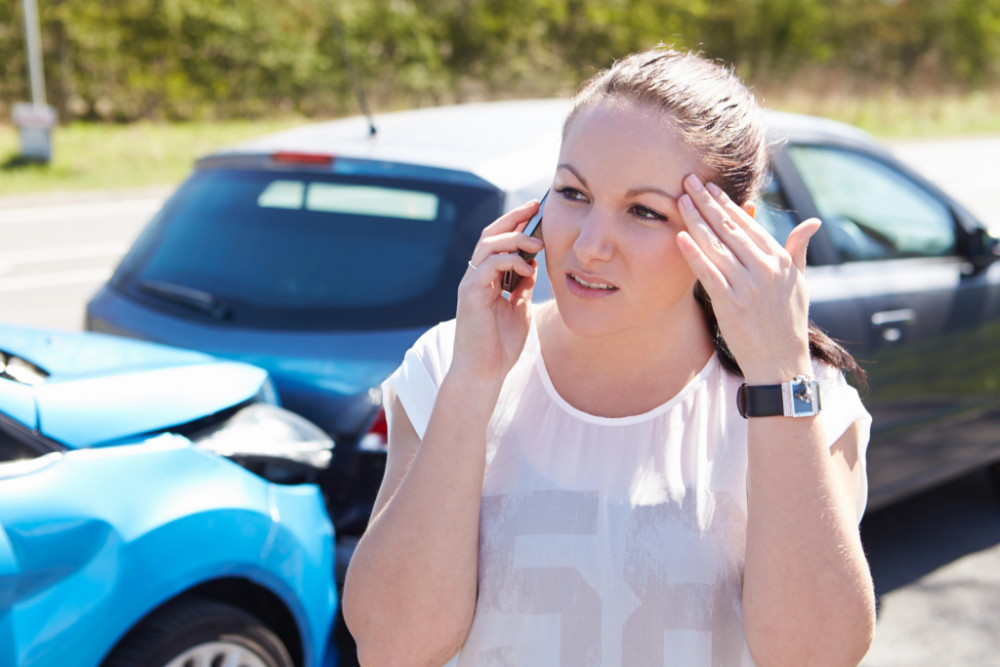

Your safety comes first. Check yourself and others for injuries and call 911 immediately if anyone is hurt. Even if injuries seem minor, it's important to get medical attention, as some symptoms may not appear right away. If possible, move to a safe location away from traffic while waiting for help to arrive.

Always report the accident to the police. An official police report creates an objective record of what happened, which can be critical for insurance claims and legal matters. Cooperate with the officer, provide accurate information, and avoid admitting fault at the scene.

If it's safe to do so, gather as much information as possible. Take photos or videos of the vehicles, damage, license plates, road conditions, traffic signs, and any visible injuries. Exchange contact and insurance information with the other driver(s) and attempt getting contact details from any witnesses in the area.

Even if you feel fine, consider seeing a medical professional as soon as possible. Injuries such as whiplash, concussions, or soft-tissue damage can take hours or days to show symptoms.

Report the accident to your insurance provider promptly and provide them with accurate details. Stick to the facts and avoid speculation. Keep copies of all documents related to the accident, including medical bills, repair estimates, and correspondence with insurers.

The No Driving a Mule Down Main Street Law: In Kansas towns have local municipal ordinances that make it technically illegal to drive a mule down the main street of town during certain hours of the day without the express permission of the local town council or local authorities.
The No Shooting Game From a Moving Vehicle Law: In Kansas, it is illegal to shoot rabbits or any other game from a moving vehicle such as a motorboat, plane, car or any other water, air or land based vehicle. However, the law does allow for one exception in the case when the person holds a valid handicapped hunting and fishing permit issued by the state.
The No Screeching Your Tires Law: In the city of Derby, it is illegal to screech your tires while driving on a public road or street within the city limits. The law prohibits unnecessary rapid acceleration, tire squeal, skidding and sliding. Violators of this law are often slapped with a criminal misdemeanour with fines up to $500 and in extreme cases, even some jail time.
The No Throwing Confetti Law: Under a 2026 Kansans Statute KSA8-15,102, it is illegal to throw confetti or similar small paper or plastic debris of any kind from a motor vehicle on a public road or in a public space without a proper permit.
The No Driving a Tractor on a Highway for Fun Law: Under 2026 Kansans Statutes Chapter 8, while agricultural tractors are legally permitted to use public roads and highways for legitimate farming purposes, it is illegal to drive a tractor on a public highway purely for recreational purposes without any legitimate agricultural justification.
The No Hitting a Vending Machine Law: In Kansas, it is illegal to hit, kick or otherwise physically assault and damage a vending machine on public property or near a public road. Attempting to obtain free merchandise from a vending machine without paying the required price is categorized as theft and violators of this law will be prosecuted.
The No Driving Without Pants Law: In certain parts of Kansas, there are old local ordinances and public decency regulations that technically make it illegal to operate a motor vehicle on a public road while not wearing appropriate clothing, including pants or other lower-body covering garments. While the practical enforcement of Kansas's driving pants requirements in the modern era of Kansas traffic management raises some very amusing questions about exactly how Kansas law enforcement officers are expected to conduct clothing compliance checks on passing motorists.
The No Peacock Right of Way Law: Unlike certain other states that have enacted specific right of way legislation for exotic birds and other unusual animals, Kansas does not have such specific laws on the books. However, under Kansas state law, all drivers are still legally required to yield to all animals crossing public roads.
The No Driving a Car That Drags Chains Law: In Kansas there is an oddly specific law making it illegal to drive a motor vehicle that is dragging chains or other metal objects along the surface of a public road or highway in a manner that damages the road surface or creates a safety hazard for other road users. While the practical likelihood of encountering a chain-dragging vehicle on a Kansas public road in the modern era is highly unlikely, this law is still on the books today.
The No Leaving a Car Running in Front of a Corn Field Law: In certain rural Kansas communities, there are old local ordinances that restrict leaving a motor vehicle running while unattended near agricultural fields and farmland. This law reflects the lawmaker’s concerns about vehicle exhaust fumes affecting crop quality and the potential fire hazard posed by a running vehicle near dry grass and leaves during dry summer months.
Transgender ID Invalidation: Recent legislation invalidates transgender driver’s licenses, requiring them to surrender old IDs in order to obtain new ones reflecting their gender assigned at birth.