

In 2023, Kentucky reported approximately 117,421 traffic crashes statewide. Among these, 765 were fatal crashes, resulting in a total of 814 deaths on Kentucky's public roads. Additionally, 29,964 people were injured in traffic collisions during the year. Kentucky's fatal crash rate was about 1.6 deaths per 100 million vehicle miles travelled (VMT), indicating the number of fatal crashes relative to travel exposure. The 814 traffic fatalities recorded in 2023 represented an increase compared with 2022 and were among the higher totals in recent years. Over the long term, Kentucky's five-year average for traffic deaths has been around 770, showing that the 2023 total was slightly above this trend. A significant share of those killed in crashes were not wearing seat belts, while speeding, distracted driving and alcohol impairment were frequently cited factors contributing to crash severity. State safety reports have also highlighted a growing concern over fatalities involving non-motorised road users, such as pedestrians and bicyclists.
Passenger car occupants accounted for approximately 31% (about 252 fatalities) of all traffic deaths.
Motorcycle riders represented roughly 13% (about 106 fatalities).
Occupants of light trucks and SUVs made up approximately 33% (about 269 fatalities).
Fatalities involving buses and public transportation accounted for around 2% (about 16 fatalities).
Crashes involving semi/tractor-trailers contributed approximately 2% (about 16 fatalities).
Pedestrians comprised about 15% (approximately 121 fatalities) of the total traffic deaths in Kentucky.



Kentucky's deadliest highway, running from the Tennessee border through Lexington to Cincinnati. Heavy truck traffic, high speeds, congestion and severe weather contribute to numerous fatal crashes each year.


A major north-south corridor connecting Louisville, Elizabethtown and Bowling Green. Frequent commercial traffic, speeding and work-zone crashes make I-65 one of the state's most dangerous roads.


Stretching across central Kentucky, I-64 experiences heavy commuter traffic, truck traffic and weather-related crashes, particularly around Louisville and Lexington.

Known as the "Country Music Highway," US-23 has a history of severe head-on collisions, high-speed crashes and dangerous rural segments in eastern Kentucky.

This eastern Kentucky corridor is known for mountainous terrain, sharp curves, limited visibility and a higher-than-average fatal crash rate.
Single vehicle fatal car accidents occur in rural eastern and western Kentucky.
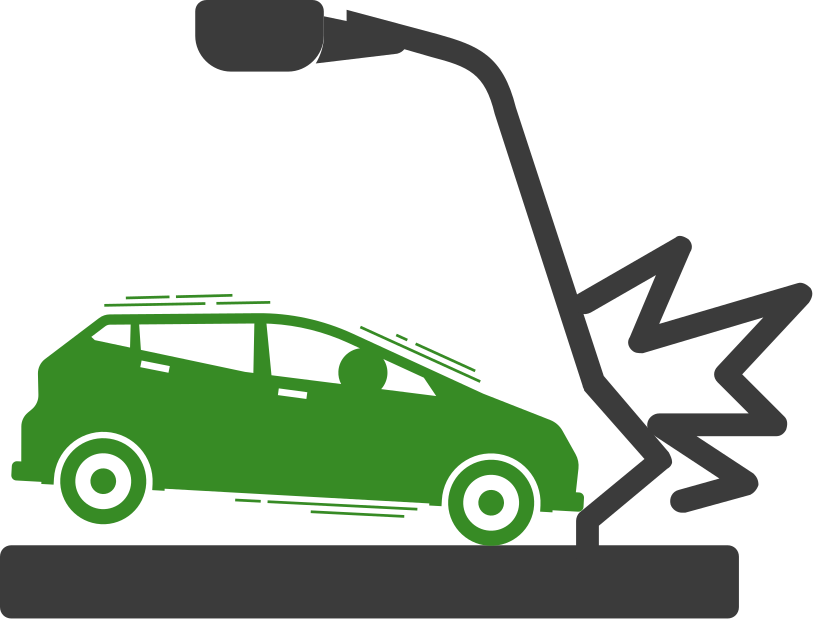
of fatal car accidents in Kentucky happen in rural areas.

Multiple vehicle fatal car accidents occur in Louisville and Lexington metropolitan areas.
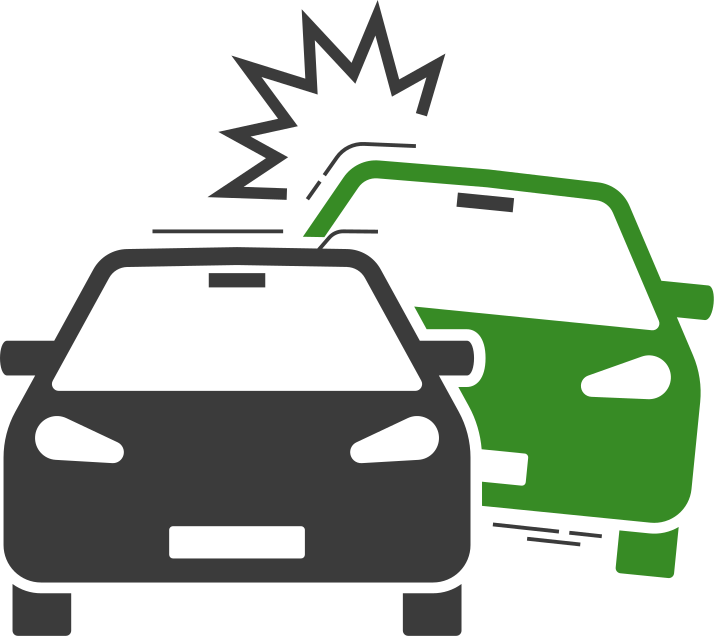
of fatal car accidents in Kentucky happen in urban areas.


A car accident can be overwhelming and stressful, even if it's minor. Knowing what steps to take immediately afterward can help protect your health, your legal rights, and your financial interests. Here are five essential things to do after an accident:
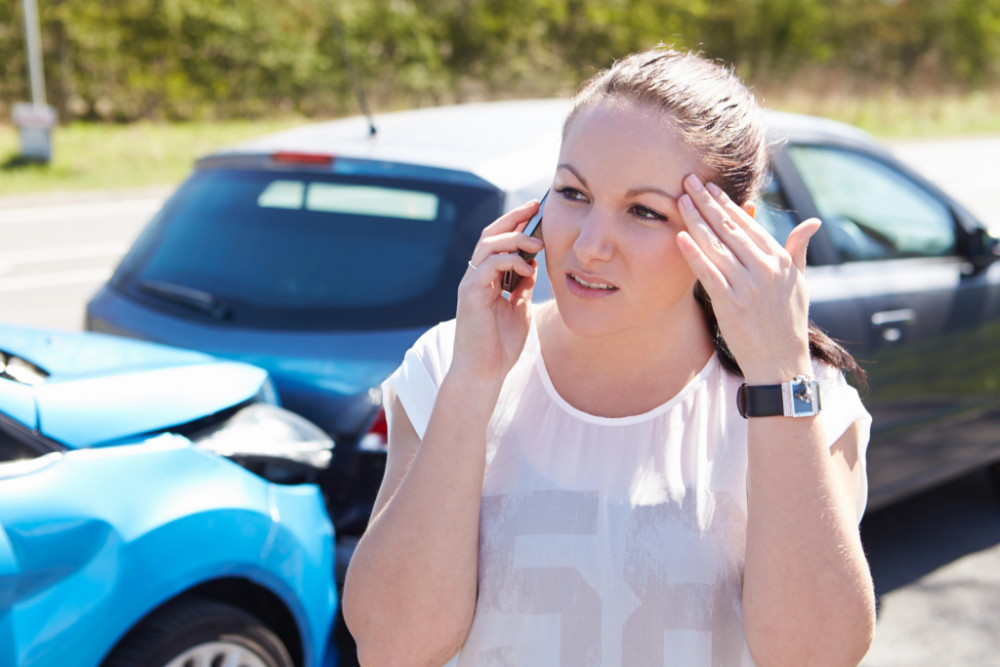

Your safety comes first. Check yourself and others for injuries and call 911 immediately if anyone is hurt. Even if injuries seem minor, it's important to get medical attention, as some symptoms may not appear right away. If possible, move to a safe location away from traffic while waiting for help to arrive.

Always report the accident to the police. An official police report creates an objective record of what happened, which can be critical for insurance claims and legal matters. Cooperate with the officer, provide accurate information, and avoid admitting fault at the scene.

If it's safe to do so, gather as much information as possible. Take photos or videos of the vehicles, damage, license plates, road conditions, traffic signs, and any visible injuries. Exchange contact and insurance information with the other driver(s) and attempt getting contact details from any witnesses in the area.

Even if you feel fine, consider seeing a medical professional as soon as possible. Injuries such as whiplash, concussions, or soft-tissue damage can take hours or days to show symptoms.

Report the accident to your insurance provider promptly and provide them with accurate details. Stick to the facts and avoid speculation. Keep copies of all documents related to the accident, including medical bills, repair estimates, and correspondence with insurers.

No Hunting from a Vehicle - In Kentucky it is illegal to shoot at game and wildlife from a moving vehicle except for when you are hunting whales. This law is highly unusual when you consider the fact that Kentucky is a landlocked state.
Motorcycles Running Red Lights - The state of Kentucky allows motorcyclists to carefully proceed through sensor-activated traffic lights when they fail to detect the motorcycle after an extended period of time.
Horses Need Tail Lights Too - Horse-drawn vehicles travelling on Kentucky’s public roadways after dark must display a bright red or orange taillight or reflective sign. Even horse-drawn traffic has legal lighting requirements.
Don't Use Parking Lots to Skip Red Lights - In the state of Kentucky, it is illegal to use parking lots to avoid stopping at traffic signals. This dangerous behaviour is often referred to as "rat running" and drivers that violate this law can be cited for unsafe driving.
You Can't Just Follow Someone Through a Roundabout - Kentucky law is very clear as to who has the right of way when it comes to roundabouts. The vehicle already inside a roundabout always has the right of way. Drivers are required to yield when entering roundabouts to oncoming traffic and are not allowed to follow the vehicle in front of them without checking for and yielding to vehicles already in the roundabout.
Slow Drivers May Need to Pull Over - The state of Kentucky requires that slow vehicles that are holding up traffic by having 5 or more vehicles behind them pull over when safe to allow for faster traffic to pass. This reduces congestion and allows for the free flow of traffic.
Brake-Checking Isn't Specifically Illegal... But - Abruptly stopping without justification or brake-checking, as it is commonly referred to, does not have a specific traffic statute explicitly forbidding this behaviour. However, if you cause a crash by suddenly braking in front of another driver, you could be cited for reckless driving.
School Buses Mean Stop - Drivers must stop when a school bus is loading or unloading children or when the stop signal is displayed by the bus. Violations can result in fines and points on your licence.