

In 2023, Maine recorded more than 33,000 total vehicle crashes on its roadways, based on ongoing crash data patterns from state reporting systems. During the same year, the state reported 134 motor vehicle deaths, the lowest number of roadway fatalities since 2014. Maine typically experiences hundreds of serious injuries each year, along with many additional crashes that result in minor injuries, reported through the crash query system. Pedestrians and other non-motorists, such as bicyclists, account for a disproportionately high share of fatal and serious injuries with vulnerable road users historically representing about 9.6% of fatalities and serious injuries. Seat belt use also remains a safety concern, as approximately 60% of people killed in crashes in Maine in 2023 were not wearing seat belts, based on preliminary safety surveys and reporting trends. According to the 2023 Fatality Analysis Reporting System (FARS) from the National Highway Traffic Safety Administration, Maine recorded about 178 total traffic fatalities, including all fatal crashes reported to the federal traffic safety database.
Passenger car occupants accounted for approximately 38% (about 51 fatalities) of all traffic deaths.
Motorcycle riders represented roughly 12% (about 16 fatalities).
Occupants of light trucks and SUVs made up approximately 33% (about 45 fatalities).
Fatalities involving buses and public transportation accounted for 0% (0 fatalities).
Semi/tractor-trailer crashes contributed approximately 1% (about 1 fatality).
Pedestrians comprised about 14% (approximately 19 fatalities) of the total traffic deaths in Maine.



Maine's busiest and most dangerous highway. Heavy commuter traffic, high speeds, winter weather and long-distance travel contribute to a significant number of fatal crashes.


Running along Maine's coast, Route 1 experiences heavy tourist traffic, numerous intersections, pedestrian activity and seasonal congestion, making it one of the state's most accident-prone roads.


A major east-west corridor known for high-speed rural travel, limited passing zones, wildlife crossings and severe winter weather conditions.
One of Maine's most notorious highways due to remote conditions, high speeds, wildlife collisions, limited services and a history of serious crashes.
Passing through Portland and southern Maine, I-295 experiences heavy commuter traffic, congestion and frequent multi-vehicle collisions.
Single-vehicle fatal car accidents occur in rural areas throughout northern and central Maine, often involving speeding, impaired driving, wildlife collisions, winter weather and roadway departures.
of fatal car accidents in Maine happen in rural areas.

Multiple-vehicle fatal car accidents occur most frequently around Portland, Lewiston and Bangor where traffic volumes are highest.
of fatal car accidents in Maine happen in urban areas.


A car accident can be overwhelming and stressful, even if it's minor. Knowing what steps to take immediately afterward can help protect your health, your legal rights, and your financial interests. Here are five essential things to do after an accident:
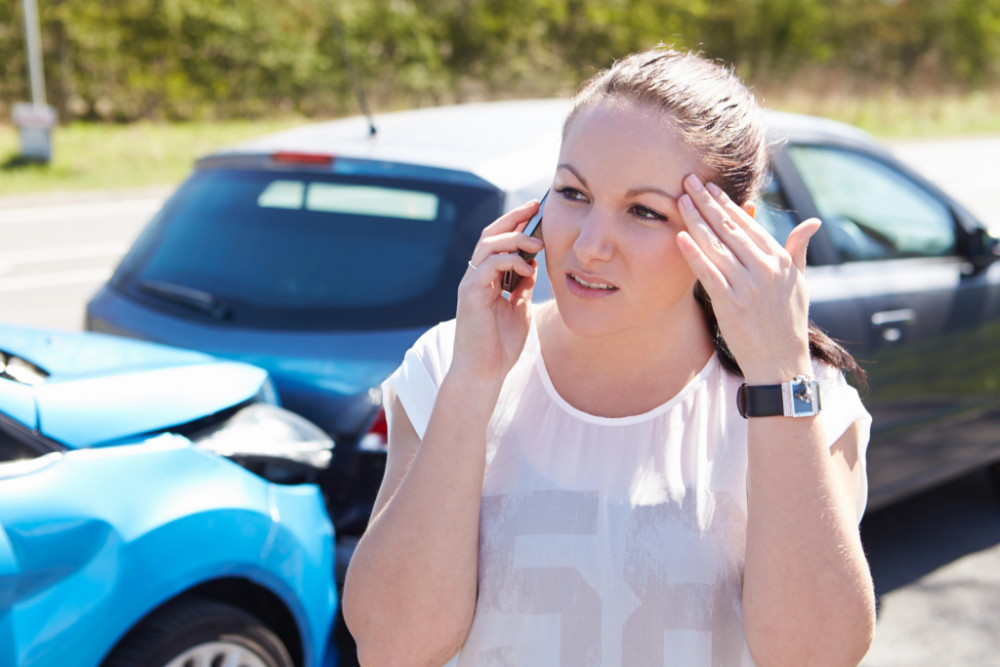

Your safety comes first. Check yourself and others for injuries and call 911 immediately if anyone is hurt. Even if injuries seem minor, it's important to get medical attention, as some symptoms may not appear right away. If possible, move to a safe location away from traffic while waiting for help to arrive.

Always report the accident to the police. An official police report creates an objective record of what happened, which can be critical for insurance claims and legal matters. Cooperate with the officer, provide accurate information, and avoid admitting fault at the scene.

If it's safe to do so, gather as much information as possible. Take photos or videos of the vehicles, damage, license plates, road conditions, traffic signs, and any visible injuries. Exchange contact and insurance information with the other driver(s) and attempt getting contact details from any witnesses in the area.

Even if you feel fine, consider seeing a medical professional as soon as possible. Injuries such as whiplash, concussions, or soft-tissue damage can take hours or days to show symptoms.

Report the accident to your insurance provider promptly and provide them with accurate details. Stick to the facts and avoid speculation. Keep copies of all documents related to the accident, including medical bills, repair estimates, and correspondence with insurers.

Sunday Car Sale Restriction
It is illegal to buy or sell a vehicle in the state of Maine on a Sunday. Maine is home to some historical blue laws that were originally created to enforce the Christian Sabbath; however, in the modern day, they are primarily enforced to ensure that everyone has at least one day of rest. Needless to say, Maine dealership lots remain closed on Sundays.
Snow on the windshield? That's a crime.
In the state of Maine it is illegal to drive with snow on your windshield or side windows. Maine sees a lot of snowfall every winter and drivers that choose to drive without cleaning off the snow off their windshields create a safety concern that can affect them as well as others. Scraping is not optional; it's legally mandatory.
Snow on the Roof: Still a Pending Problem
For a few years now, legislators have been trying to pass a new law that would also make it illegal to drive with snow on the roof of your car as well. This new law would aim to prevent snow from flying off a car while driving and hitting the windshield of the cars traveling behind it. So far, the law has not been passed; however, lawmakers are working on it.
Don't Even Think About Parking in Front of a Dunkin’ Donuts
South Berwick has an ordinance that makes it illegal to park a vehicle at any time on Main Street (West) in front of Dunkin'. This is a hyper specific traffic ordinance that was designed to reduce congestion. There are no spaces outside Dunkin' Donuts, but so many people parked there that a law had to be created.
Light Bar Ban
Using off-road light bars on public roads and highways is considered a safety hazard, as they can temporarily blind drivers in oncoming traffic. Using these types of light bars in Maine is illegal.
No Snowmobiles in the Cemetery
It is also illegal in Maine to ride a snowmobile or an all-terrain vehicle in the cemetery area. Off-road vehicles are likely to damage/destroy property in a burial ground, which is inherently reckless and disrespectful to the families of the deceased. People that choose to partake in this distasteful activity are violating the state’s recreational vehicle statutes.
OUI Instead of DUI — Maine Has Its Own Brand
In Maine, it is illegal to drink alcoholic beverages as well as use any variety of marijuana derived substances for anyone under the age of 21. Just like many places, Maine wants to protect the youth and reduce cases of people driving under the influence. The difference is how Maine categorises and refers to impaired driving. The state enforces strict Operating Under the Influence (OUI) laws, not DUI. Even the drunk driving acronym is uniquely Maine.
Distracted Driving Laws
Maine goes beyond banning the use of mobile devices while driving on public roads and highways. The state’s Distracted Driving Law prohibits any behaviour that causes you to lose concentration. This means that eating behind the wheel or even drinking a cup of coffee can be enough cause to get pulled over.