

In Massachusetts, vehicle crash statistics for 2023 show that approximately 126,000 traffic crashes were reported statewide, resulting in more than 58,000 injuries and 343 traffic fatalities. While Massachusetts continues to maintain one of the lowest traffic fatality rates in the nation, roadway deaths increased slightly compared to previous years. Pedestrian fatalities remained a significant concern, accounting for more than 100 deaths, while motorcycle crashes contributed to dozens of additional fatalities. Speeding, distracted driving, impaired driving and failure to wear seatbelts continued to be major contributing factors in serious and fatal crashes. Urban areas such as Boston, Worcester, and Springfield experienced the highest overall crash volumes due to traffic congestion and dense population centers, while rural roads and state highways accounted for a disproportionate share of severe and fatal accidents because of higher travel speeds. Overall, driver behaviour, traffic congestion and vulnerable road user safety remain key challenges for roadway safety across Massachusetts.
Passenger vehicle occupants accounted for approximately 33% (about 112 fatalities) of all traffic deaths.
Motorcyclists represented roughly 17% (about 60 fatalities) statewide.
Drivers and passengers of light trucks and SUVs made up approximately 26% (about 89 fatalities) of the total.
Crashes involving buses and public transportation were responsible for around 2% (about 8 fatalities).
Semi/tractor-trailer-related crashes resulted in 0% (1 fatalities).
Pedestrians comprised about 20% (approximately 67 fatalities) of all traffic fatalities in Massachusetts.



One of Massachusetts's busiest highways, particularly through Boston. Heavy congestion, frequent lane changes, aggressive driving and high traffic volumes contribute to a significant number of serious and fatal crashes.


A major beltway and interstate corridor that experiences heavy commuter traffic, truck traffic and frequent multi-vehicle collisions, especially around Greater Boston.


Often cited as one of the state's most dangerous highways due to speeding, high traffic volumes and a history of severe crashes between Fall River and the Boston suburbs.
Running east-west across the state, I-90 sees heavy commuter and commercial traffic. Congestion, work zones and high-speed travel contribute to fatal accidents.

Known for dense commercial development, numerous intersections, pedestrian activity and heavy traffic, making it one of Massachusetts' most accident-prone roads.
Single vehicle fatal car accident are amongst the most common and are prominent in most of the larger cities such as Boston and Worcester.
of fatal car accidents occur in rural areas.

Multiple vehicle collision related fatal car accidents occur on busy roadways near the Boston area.
of fatal car accident in urban areas.


A car accident can be overwhelming and stressful, even if it's minor. Knowing what steps to take immediately afterward can help protect your health, your legal rights, and your financial interests. Here are five essential things to do after an accident:
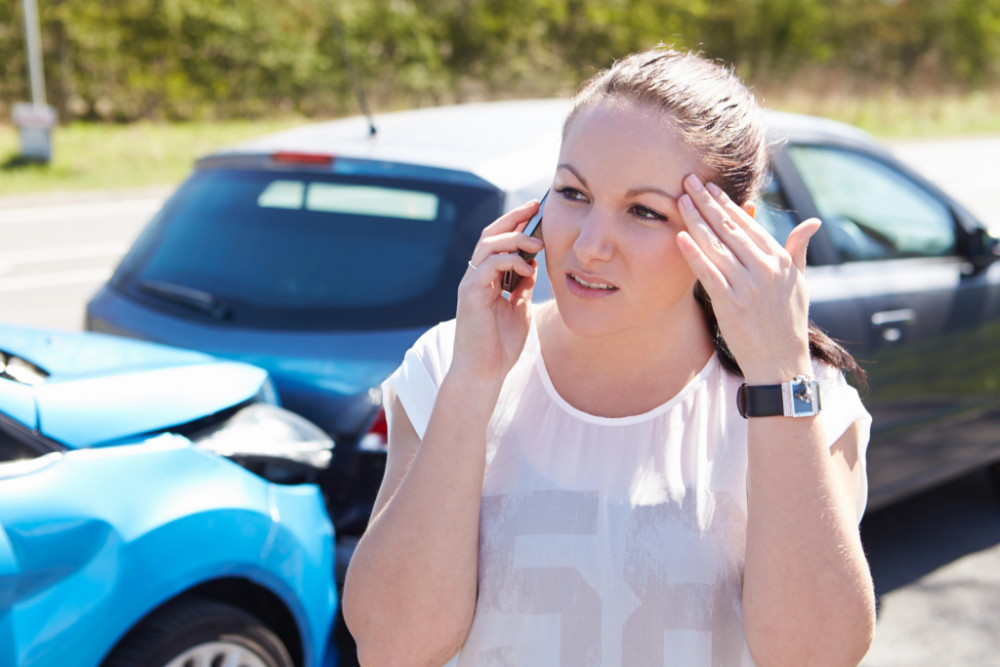

Your safety comes first. Check yourself and others for injuries and call 911 immediately if anyone is hurt. Even if injuries seem minor, it's important to get medical attention, as some symptoms may not appear right away. If possible, move to a safe location away from traffic while waiting for help to arrive.

Always report the accident to the police. An official police report creates an objective record of what happened, which can be critical for insurance claims and legal matters. Cooperate with the officer, provide accurate information, and avoid admitting fault at the scene.

If it's safe to do so, gather as much information as possible. Take photos or videos of the vehicles, damage, license plates, road conditions, traffic signs, and any visible injuries. Exchange contact and insurance information with the other driver(s) and attempt getting contact details from any witnesses in the area.

Even if you feel fine, consider seeing a medical professional as soon as possible. Injuries such as whiplash, concussions, or soft-tissue damage can take hours or days to show symptoms.

Report the accident to your insurance provider promptly and provide them with accurate details. Stick to the facts and avoid speculation. Keep copies of all documents related to the accident, including medical bills, repair estimates, and correspondence with insurers.

DUI/OUI Law
Massachusetts uses the term OUI (Operating Under the Influence) to categorize most impaired driving. A first offense can result in license suspension and even jail time. Consequent offenses can result in more severe penalties. (Blood Alcohol Concentration) BAC of 0.08% is the legal limit for drivers 21 years or older. A considerably lower 0.02% BAC is set for all drivers under the age of 21.
Snow & Ice Removal Law
Driving with ice or snow covering the vehicle can be very hazardous, as flying snow and ice debris can strike other vehicles and pedestrians, causing damage and bodily injury. It is not uncommon to see flying snow and ice be the cause of serious accidents and losses. The snow and ice removal law requires drivers to remove snow and ice from their vehicle before driving. Violators of this law will be penalized with hefty fines.
Seat Belt Law
The state of Massachusetts mandates that drivers and passengers, regardless of the seating location within the vehicle, wear seat belts while the vehicle is in motion. Additionally, the state requires for children to be secured in a DOT approved car seat or booster seat.
Horse Sleigh Bell Mandate
In the state of Massachusetts, it is illegal to operate a horse-drawn sleigh on public roads without sleigh bells attached to the horse alerting others. While the sight of horse-drawn sleighs is fairly uncommon, this legislation is considered a basic safety precaution that can increase driver and pedestrian awareness of a horse-drawn sleigh in the area.
Do Not Frighten a Pigeon
It's illegal in Massachusetts to give pigeons a fright. "Pigeons, killing or frightening" is forbidden and is covered in Chapter 266, Section 132 of the General Laws of Massachusetts. The purpose of this law came about in the 1800s and its aim was to protect hunters trying to capture pigeons in nets to be used as food from poachers and rival hunters scaring the birds away.
No Selling Cars on Sunday
Under Massachusetts “Blue Laws”, it is illegal for a licensed dealer in the state to sell a motor vehicle on Sunday. The law specifically applies to licensed dealerships, not private parties. The law does not restrict a private party from selling a car on a Sunday. The Puritans worked very hard to try to reserve Sundays for rest, church, family and definitely not negotiating with a dealership finance manager.
Thickly Settled Speed Limit
Massachusetts is full of thickly settled areas with tight one lane roads in densely packed residential neighbourhoods. While most of these streets have a 25 MPH speed limit, a lot of these streets may not have a posted speed limit displayed on a street sign. This is mainly due to the fact that many areas in the state utilize town-wide speed limits. In some cases drivers are expected to be aware of the limits based on road type.
Wipers On = Headlights On
If you need to use your windshield wipers, the law requires you to turn on your headlights. This one is actually smart and genuinely underenforced everywhere else. Massachusetts considers rain a low-visibility condition and requires that drivers have their headlights illuminated to make sure they are clearly visible to other drivers.
Last State in America to Allow Right Turns on Red
Massachusetts was the last state in the US to allow right turns on red, only permitting it in 1980, and still prohibits the practice at a great many intersections. Every other state figured this out decades earlier.