

In Michigan, vehicle crash statistics for 2023 show that 287,953 traffic crashes were reported statewide, a 2% decrease from 2022. These crashes resulted in 1,094 traffic fatalities, also down slightly from the 1,123 deaths recorded the previous year. Despite the overall decline in crashes and fatalities, crashes involving vulnerable road users increased significantly, with 2,114 pedestrian-involved crashes resulting in 183 pedestrian fatalities, while 1,480 bicycle-involved crashes led to 24 bicyclist deaths. Alcohol-related fatalities declined to 297 deaths, but drug-involved fatalities increased to 256 deaths. Speeding, impaired driving, distracted driving and failure to wear seatbelts remained major contributors to fatal crashes statewide. Urban areas such as Detroit, Grand Rapids, and Flint experienced the highest overall crash volumes due to heavy traffic density, while rural highways continued to account for a disproportionate share of severe and fatal crashes. Overall, roadway safety remains a significant concern across Michigan despite modest improvements in total crash and fatality numbers.
Passenger car occupants accounted for approximately 29% (about 319 fatalities) of all traffic deaths.
Motorcycle riders represented roughly 16% (about 175 fatalities) statewide.
Drivers and passengers of light trucks and SUVs made up approximately 31% (about 340 fatalities) of the total.
Fatal crashes involving buses and public transportation accounted for around 2% (about 23 fatalities).
Semi/tractor-trailer-related crashes contributed approximately 2% (about 9 fatalities).
Pedestrians comprised about 16% (approximately 175 fatalities) of all traffic deaths in Michigan.



Michigan's deadliest highway, stretching from Detroit through Ann Arbor, Jackson, Kalamazoo, and Benton Harbor. Heavy truck traffic, congestion, high speeds and severe winter weather contribute to numerous fatal crashes.


One of the busiest highways in Michigan, running through Detroit and connecting much of the state. High traffic volumes, aggressive driving and frequent multi-vehicle collisions make it one of the state's most dangerous roads.


Connecting Detroit, Lansing, and Grand Rapids, I-96 experiences heavy commuter traffic, construction zones and weather-related crashes that lead to a significant number of fatalities.

Known for heavy suburban traffic, numerous intersections and high crash rates, particularly in Oakland and Macomb counties. Fatal and serious injury crashes are common along this corridor.

A major north-south highway with a history of severe crashes caused by speeding, congestion, winter weather and heavy commuter traffic, especially near Ann Arbor and Flint.
Single vehicle fatal car accidents occur in Rural northern Michigan and less-populated counties across the state.
of fatal car accidents in Michigan happen in rural areas.

Multiple vehicle fatal car accidents occur in Detroit metropolitan area.
of fatal car accidents in Michigan happen in urban areas.



A car accident can be overwhelming and stressful, even if it's minor. Knowing what steps to take immediately afterward can help protect your health, your legal rights, and your financial interests. Here are five essential things to do after an accident:
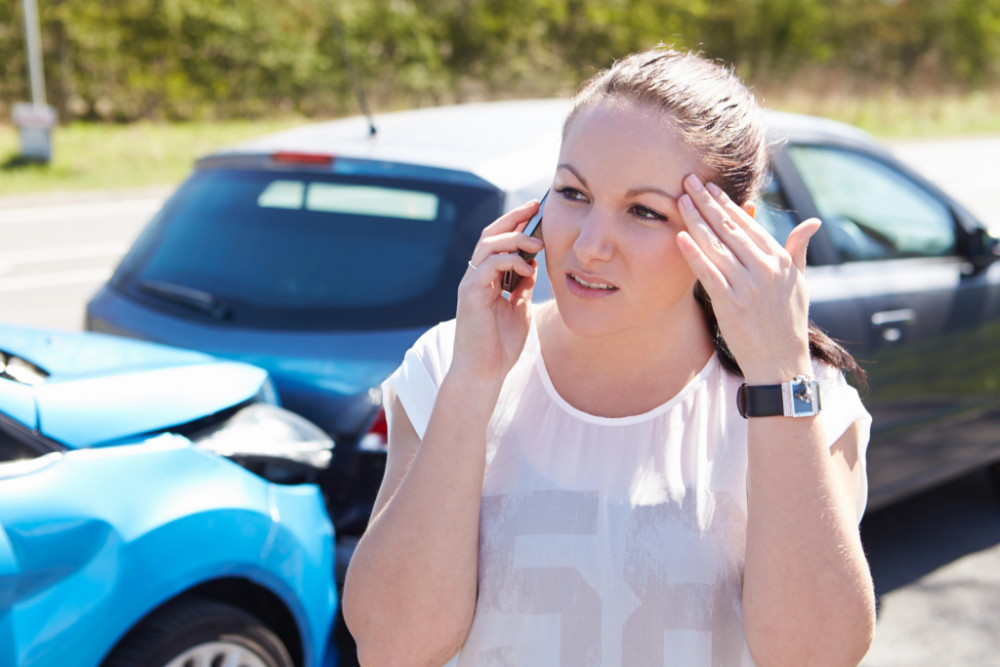

Your safety comes first. Check yourself and others for injuries and call 911 immediately if anyone is hurt. Even if injuries seem minor, it's important to get medical attention, as some symptoms may not appear right away. If possible, move to a safe location away from traffic while waiting for help to arrive.

Always report the accident to the police. An official police report creates an objective record of what happened, which can be critical for insurance claims and legal matters. Cooperate with the officer, provide accurate information, and avoid admitting fault at the scene.

If it's safe to do so, gather as much information as possible. Take photos or videos of the vehicles, damage, license plates, road conditions, traffic signs, and any visible injuries. Exchange contact and insurance information with the other driver(s) and attempt getting contact details from any witnesses in the area.

Even if you feel fine, consider seeing a medical professional as soon as possible. Injuries such as whiplash, concussions, or soft-tissue damage can take hours or days to show symptoms.

Report the accident to your insurance provider promptly and provide them with accurate details. Stick to the facts and avoid speculation. Keep copies of all documents related to the accident, including medical bills, repair estimates, and correspondence with insurers.

It Is Illegal to Sell a Car on a Sunday - In the state of Michigan most car dealerships are closed on Sundays. According to Michigan’s blue laws, it is illegal to buy or sell cars on Sundays. There is just one exception for rural counties with fewer than 130,000 residences. This old law was originally created for the majority Christian residents to observe the Sabbath.
No Desecrated Driving - According to Michigan’s Hands-Free Law (MCL 257.602.b), it is illegal to hold or manually handle any mobile electronic device while driving on public roads and highways. This law prohibits all mobile devices from e-readers to portable DVD players and any mobile device capable of surfing the internet, playing videos, accessing emails, and so on. Distracted driving poses a serious safety risk to drivers, passengers and pedestrians as well as everyone using the road.
Left Turn on Red Allowed Under Certain Conditions - In Michigan you are allowed to turn left on a red light as long as you are turning onto a one-way street and as long as it is not prohibited or restricted by a road sign.
Riding in a Pickup Truck Bed Restriction - The state of Michigan has a very particular law prohibiting minors from riding in the bed of a pickup truck. Passengers under the age of 18 are not allowed to ride in an open bed of a pickup truck as the truck travels above 15 miles per hour on a public road. The odd part is how specific the law is; it seems that if a minor wants to hop into the bed of a truck traveling under 15 miles per hour or into the bed of a truck that has a bed cab, that would be considered completely lawful.
Headlights Required When Visibility Is Poor - Michigan's "wipers on, lights on" rule requires headlights whenever weather conditions reduce visibility, making rainy-day driving safer. This is one of those common sense safety regulations that helps ensure better viability in adverse weather conditions.
The left lane is for passing! - Continuous left lane travel on highways or multi-lane roadways is explicitly forbidden. Left lanes are designated passing lanes and are not meant to be used as cruising lanes; they are designed to reduce congestion by allowing vehicles to pass slower-traveling traffic. This is the reason why the left lane, is commonly referred to as the overtaking lane, so if you are in the left lane, you better be overtaking slower traffic or you will need to merge to another lane.
Livestock Has The Right Of Way - Drivers must exercise caution around horses and other livestock on public roads. If a horse appears frightened, motorists are required to stop until it is safe to proceed.
School Bus Stop Means Stop - Michigan takes school bus safety very seriously. Drivers must stop when a school bus displays its red flashing lights and/or stops sign arm.
Dirty License Plates Can Be a Violation - Michigan requires that all drivers maintain their license plates and make sure they are clearly visible and free from anything that may obscure the unique license plate number. If dirt, mud or snow obscures your license plate, you could be ticketed because the plate must remain clearly visible.