

In 2023 alone, Minnesota recorded tens of thousands of traffic crashes statewide, with major metro areas like Minneapolis reporting approximately 17,880 car accidents based on crash dashboard data. State crash reports indicate that more than 23,700 people were injured in traffic crashes across all severity levels, including serious, minor and possible injuries. Minnesota also reported 402 traffic fatalities in 2023, reflecting deaths from motor vehicle crashes on public roads. This figure is consistent with long-term trends, as the state typically records around 400 traffic deaths annually. According to the Minnesota Crash Facts 2023 report, speeding, distracted driving, impaired driving and failure to wear seat belts remain the leading contributing factors in fatal crashes. Injury severity levels range from possible injuries to incapacitating injuries, based on standard crash reporting classifications.
In Minnesota in 2023, passenger car occupants accounted for 36% of all traffic fatalities, representing approximately 146 deaths statewide.
Motorcycle riders made up 17% of total fatalities with about 68 deaths recorded during the year.
Occupants of light trucks and SUVs represented 29% of all traffic deaths, totalling approximately 118 fatalities.

Bus and public transportation-related fatalities accounted for 1% of statewide traffic deaths or about 6 fatalities.
Semi/tractor trailer crashes were involved in 3% of total fatalities, resulting in approximately 11 deaths.
Pedestrians comprised 10% of all traffic fatalities in Minnesota with about 42 pedestrian deaths reported in 2023.



Minnesota's busiest and most dangerous highway, especially through the Minneapolis-Saint Paul metropolitan area. Heavy commuter traffic, congestion, severe winter weather and frequent multi-vehicle crashes contribute to a high number of fatalities.


Running through Minneapolis and connecting to the Twin Cities suburbs, I-35W experiences heavy traffic, aggressive driving and numerous serious crashes throughout the year.


A major north-south route known for high traffic volumes, dangerous intersections and a history of severe crashes in both urban and rural areas.

Stretching from the Iowa border through the Twin Cities to Duluth, I-35 sees heavy freight traffic, winter weather hazards and high-speed collisions.

One of Minnesota's most accident-prone highways due to rural high-speed travel, intersections, commuter traffic and severe weather conditions.
Single vehicle fatal car accidents occur in St. Louis roads.
of fatal car accidents in Minnesota happen in rural areas.

Multiple vehicle fatal car accidents occur in the Hennepin County area.
of fatal car accidents in Minnesota happen in urban areas.


A car accident can be overwhelming and stressful, even if it's minor. Knowing what steps to take immediately afterward can help protect your health, your legal rights, and your financial interests. Here are five essential things to do after an accident:
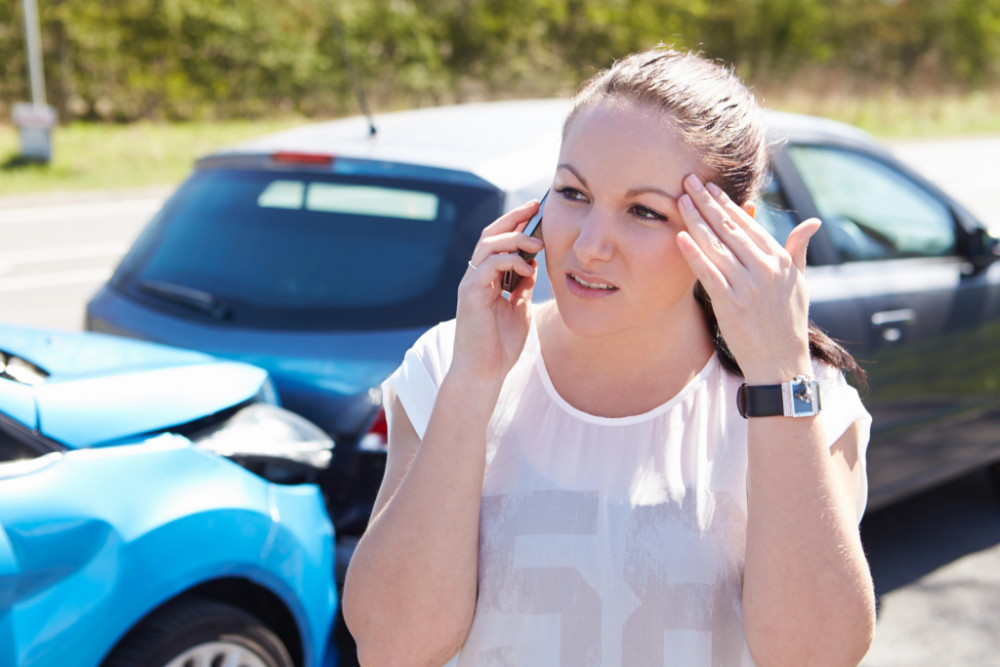

Your safety comes first. Check yourself and others for injuries and call 911 immediately if anyone is hurt. Even if injuries seem minor, it's important to get medical attention, as some symptoms may not appear right away. If possible, move to a safe location away from traffic while waiting for help to arrive.

Always report the accident to the police. An official police report creates an objective record of what happened, which can be critical for insurance claims and legal matters. Cooperate with the officer, provide accurate information, and avoid admitting fault at the scene.

If it's safe to do so, gather as much information as possible. Take photos or videos of the vehicles, damage, license plates, road conditions, traffic signs, and any visible injuries. Exchange contact and insurance information with the other driver(s) and attempt getting contact details from any witnesses in the area.

Even if you feel fine, consider seeing a medical professional as soon as possible. Injuries such as whiplash, concussions, or soft-tissue damage can take hours or days to show symptoms.

Report the accident to your insurance provider promptly and provide them with accurate details. Stick to the facts and avoid speculation. Keep copies of all documents related to the accident, including medical bills, repair estimates, and correspondence with insurers.

The "Whiskey Plate" — Minnesota's Most Iconic Invention
Under certain conditions, Minnesotans caught driving under the influence are required to surrender their license plates and have them replaced with a "whiskey plate." This term refers to a highly identifiable license plate. The plates feature a unique white background and begin with the letter W. They are designed to signal to law enforcement and to other drivers that the driver has had a DWI (Driving While under the Influence). Minnesota is one of the only states besides Ohio that requires this. Minnesota doesn't just punish its drunk drivers; they brand them with a custom plate.
Your Tires Must Be Clean in Minnetonka
In Minnetonka, drivers are not allowed to drive "a truck or other vehicle whose wheels or tires deposit mud, dirt, sticky substances, litter or other material on any street or highway." This specific law is categorized under Public Nuisances Affecting Peace and Safety section 845.010 and is intended to primarily prevent construction vehicles and farming equipment from depositing mud and tracking debris on public roads and highways. Minnesota works to keep its streets pristine and free from hazards.
It Was Illegal to Drive in Neutral (Yes, Really)
A 1937 Minnesota law made it illegal to drive a car in neutral. This law is still on the books to this day and is intended to prevent primarily commercial vehicles from traveling in neutral down the hill, reducing friction from engine braking, making it much easier to lose control or overheat your brakes on a steep downgrade.
Public Drunkenness Is Not a Crime
In Minnesota, public intoxication alone is not a crime. The law states that "no person may be charged with or convicted of the offense of drunkenness or public drunkenness." While public drunkenness is not a crime, you can absolutely be charged with disorderly conduct. Additionally, if your actions damage someone's property or injure them, the law can hold you responsible with additional charges fines and incarceration.
Honk to Pass
Minnesota law requires you to yield to honking traffic. If you hear an audible honk while another vehicle attempts to overtake you, you are required to yield until the time the passing vehicle has completely overtaken your vehicle.
No Windshield Required — But If You Have One, It Better Have Wipers
In Minnesota, a windshield on a vehicle is not legally required while windshield wipers are. This is one of those unusual laws that requires you to have windshield wipers even if you do not have a windshield. And you can be cited if the windshield is cracked or broken. So, the windshield is optional. The wipers for the windshield you chose to install are mandatory.
No Hitchhiking — Not Even for Business
State statute 169.22 describes the act of hitchhiking as unlawful: "No person shall stand in a roadway for the purpose of soliciting a ride from the driver of any private vehicle." Another section of this statute applies to solicitation of business: "No person shall stand on a roadway for the purpose of soliciting employment, business or contributions from the occupant of any vehicle." You cannot hitchhike. You cannot sell things to drivers. You cannot panhandle from the road. State law defines a roadway as a method for vehicle travel free from unnecessary distractions and hazards.
The Wild Hog Law That Refused to Die
In 2014, Gov. Mark Dayton worked to get rid of obsolete and unenforceable state laws. This initiative was called the “unsession” and it successfully eliminated more than 1,000 antiquated statutes, including one that made carrying fruit in an illegally sized container a misdemeanour and another that outlawed driving a car in neutral. This initiative included many other useless laws, many of which were out-of-date and no longer applicable.
No Seatbelt Needed When Driving in Reverse
The law specifically mandates that all drivers wear seatbelts when traveling forward. If you are driving in reverse, you are legally exempt from the state’s seatbelt law.
No throwing cigarettes out of a car window
Cigarettes are specifically written into Minnesota’s state littering statutes, making it clearly illegal to flick a cigarette out of a car window.
Snowplow lights have one job
Snowplow headlights cannot be used on a vehicle unless the plow is attached to the vehicle as well. According to Minnesota law, once the plow is removed, the auxiliary plow lights must be removed or covered with opaque material. The law is clear; the snowplow lights serve the snowplow and are not meant to be used for any other purpose or even the aesthetic vision for your truck.