

In 2023, Missouri recorded 136,516 motor-vehicle traffic crashes statewide, representing an increase of 1,919 crashes compared with 2022, indicating a slight rise in overall crash incidents. These crashes resulted in 992 traffic fatalities and 50,242 injuries across the state. On average, one person was killed or injured every 10 minutes on Missouri roadways. In 2024, traffic deaths decreased slightly to 955 fatalities, showing a modest improvement in roadway safety. Missouri continues to work toward its "Show-Me Zero" initiative, a statewide effort aimed at eliminating traffic fatalities by 2030. The highest numbers of fatal crashes typically occur in counties such as Jackson County, St. Louis County, and Greene County, largely due to their higher population levels and heavier traffic volumes.
Passenger cars represented the largest share of vehicles involved in crashes, accounting for 327 vehicles, roughly one in three of all crash-involved vehicles (33%).
Motorcycles were involved in 176 crashes, making up 18% of the total, a notable figure given how vulnerable riders are compared to occupants of enclosed vehicles.
Light trucks and SUVs were the second most common vehicle type in crashes, involved in 280 incidents and representing 28% of all crash-involved vehicles.

Buses and public transportation vehicles accounted for a relatively small share, appearing in just 10 crashes which is approximately 1% of the total.
Semi-trucks and tractor-trailers were involved in 18 crashes, comprising 2% of the total, though their size and weight make even a small number of incidents particularly significant.
Pedestrians made up a striking 13% of those involved in traffic crashes with 127 individuals impacted - a sobering reminder of how exposed and vulnerable those outside of vehicles truly are.



One of the busiest highways in Missouri, connecting major cities like Kansas City and St. Louis. High traffic volume and speeding contribute to frequent crashes.


A major route running across the state with heavy truck traffic and numerous serious accidents each year.


A loop highway around Kansas City known for congestion, merging traffic and high crash rates.

A dangerous corridor due to rural high-speed driving and limited divided highway sections.

Known for serious rural crashes, particularly in southern Missouri where long stretches encourage speeding.
A single-vehicle fatal car accident occur on Highway 63 Road.
of fatal car accidents in Missouri happen in rural areas.

Multiple-vehicle fatal car accidents occur on St. Louis Road.
fatal car accidents in Mississippi happen in urban areas.




A car accident can be overwhelming and stressful, even if it's minor. Knowing what steps to take immediately afterward can help protect your health, your legal rights, and your financial interests. Here are five essential things to do after an accident:
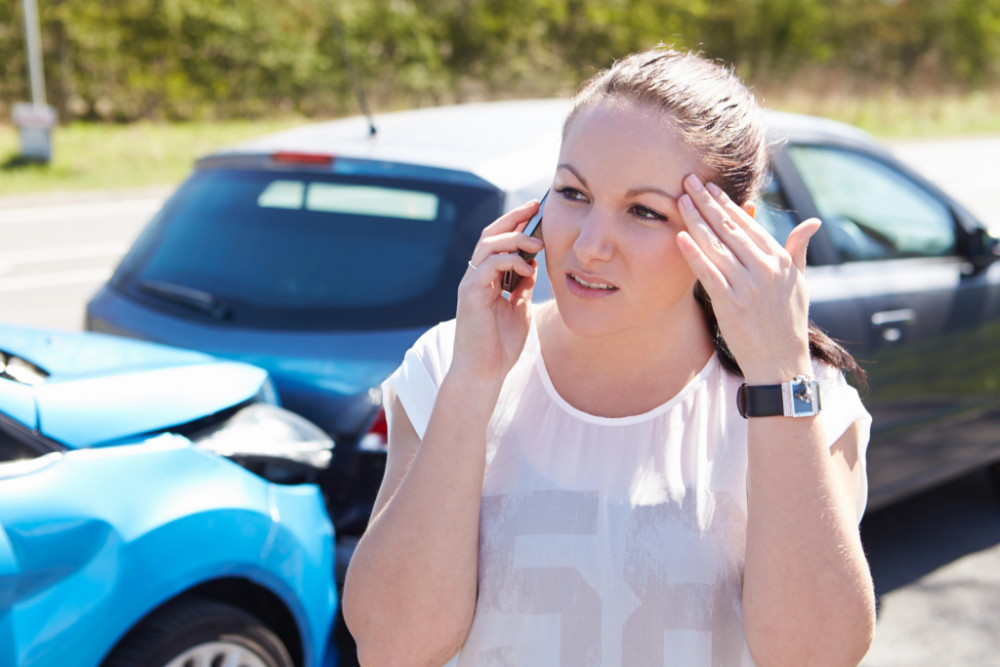

Your safety comes first. Check yourself and others for injuries and call 911 immediately if anyone is hurt. Even if injuries seem minor, it's important to get medical attention, as some symptoms may not appear right away. If possible, move to a safe location away from traffic while waiting for help to arrive.

Always report the accident to the police. An official police report creates an objective record of what happened, which can be critical for insurance claims and legal matters. Cooperate with the officer, provide accurate information, and avoid admitting fault at the scene.

If it's safe to do so, gather as much information as possible. Take photos or videos of the vehicles, damage, license plates, road conditions, traffic signs, and any visible injuries. Exchange contact and insurance information with the other driver(s) and attempt getting contact details from any witnesses in the area.

Even if you feel fine, consider seeing a medical professional as soon as possible. Injuries such as whiplash, concussions, or soft-tissue damage can take hours or days to show symptoms.

Report the accident to your insurance provider promptly and provide them with accurate details. Stick to the facts and avoid speculation. Keep copies of all documents related to the accident, including medical bills, repair estimates, and correspondence with insurers.

No Uncaged Bears in Your Car: Missouri Law —Missouri Revised Statutes § 578.023
This law makes it illegal to transport an uncaged bear in a motor vehicle. While this law may not appear very relevant in modern society, historians suggest the law likely dates back to the late 19th or early 20th century, when traveling circuses and animal shows routinely moved bears between towns using early automobiles.
No Honking Someone Else's Horn
While this law does not affect the entire state, in University City, Missouri, one of the weirdest laws on the books prohibits anyone other than the vehicle owner from honking the car's horn. So, think twice before honking a horn in a car you do not own technically that horn isn't yours to use.
No Idling Your Engine: Missouri Revised Statutes § 307.020
This law prohibits parking a vehicle with the engine running for a prolonged period of time. While you may assume this law was created to reduce air pollution or noise, that is not the case. This law was created over concerns about horses being startled by the noise of running engines. What started as a horse-era safety rule has quietly survived into the modern age; however, its purpose has drastically changed and now it serves as a measure to reduce air pollution.
No Baling Hay on Public Roads: Missouri Revised Statutes § 304.015
This law specifically targets farmers, making it illegal to bale hay on public roads, as doing so can create hazards for drivers and obstruct traffic.
No buying or selling a car on Sunday
This is another one of those old and antiquated state laws prohibiting the sale of new or used motor vehicles on Sundays, though you can buy and sell recreational vehicles, mobile homes, and car parts on Sundays. These "Blue Laws" were originally tied to religious observance and to everyone’s surprise, have outlasted their original purpose by decades. The reason for this can be attributed to the fact they are seldom, if ever, enforced.
Springfield, Missouri, does not allow Road-Side Screaming Salesmen.
This local ordinance prohibits salesmen from peddling goods while sitting in the middle of the road and screaming at passing vehicles. This is a modern equivalent of the do-not-spam law and as we all know, aggressive marketing has its limits no matter what century you are in.
Prescription Drugs Can Get You a DWI (Driving While Intoxicated)
Missouri law doesn't differentiate between alcohol, illegal drugs, and legal medications when it comes to a DWI charge; even if a medication is legally prescribed, driving while impaired by it can still lead to serious legal consequences.