

In the U.S. state of Nebraska, car crashes remain a significant safety concern with hundreds of fatalities reported each year. In 2023, Nebraska recorded 227 traffic fatalities which occurred in approximately 206 fatal crashes. Recent trends show 252 fatalities in 2024, 227 in 2023, 244 in 2022, and 221 in 2021, indicating year-to-year fluctuations. A large share of fatalities occurs on rural roads, and many victims are unbelted occupants with reports often showing that less than half of those killed were wearing seat belts. Fatal crashes occur across various road types with highways accounting for the largest share, followed by local roads and interstates which also contribute a significant portion of fatal incidents.
Passenger car occupants were involved in 80 fatalities (35%) of all traffic deaths.
Motorcyclists accounted for 22 fatalities (10%), representing a notable share of total fatalities.
Occupants of light trucks and SUVs recorded 91 fatalities (40%), making this the largest category involved in fatal crashes.
Bus and public transportation vehicles were involved in 6 fatalities (3%) statewide.
Semi-trucks and tractor-trailers accounted for 5 fatalities (2%) of the total.
Pedestrian deaths totalled 13 fatalities (6%), highlighting risks for non-motorized road users.



Heavy truck traffic, high speeds, weather-related crashes


Rural high-speed zones, sharp curves, mixed traffic


Congestion near metro areas, merging traffic, commuter crashes

Long rural stretches, fatigue-related crashes

Two-lane highway risks, head-on collisions, limited passing zones
A single-vehicle fatal car accident occurs on rural highways (US-20, US-81, Hwy 2).
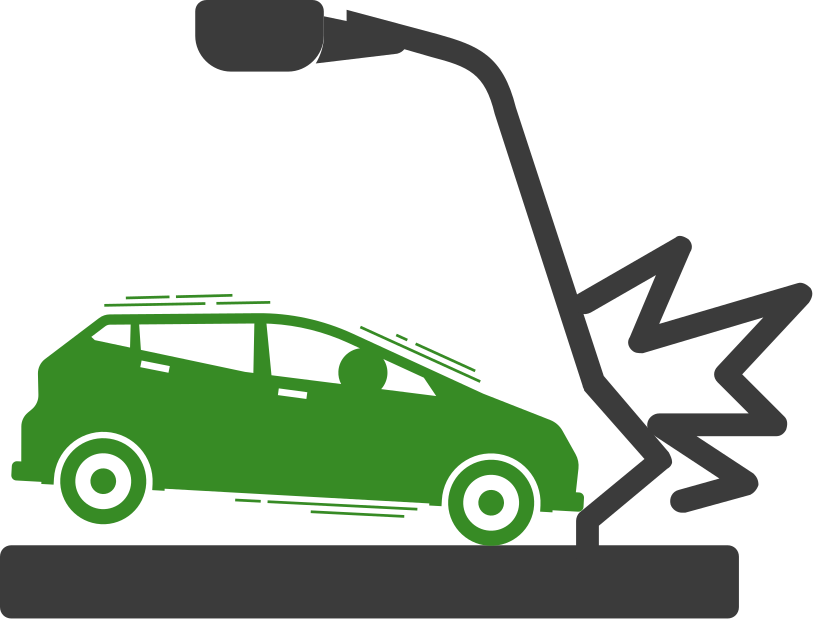
of fatal car accidents in Nebraska happen in rural areas.

multiple vehicle fatal car accident occurs on interstates & major corridors (I-80, I-680, US-75).
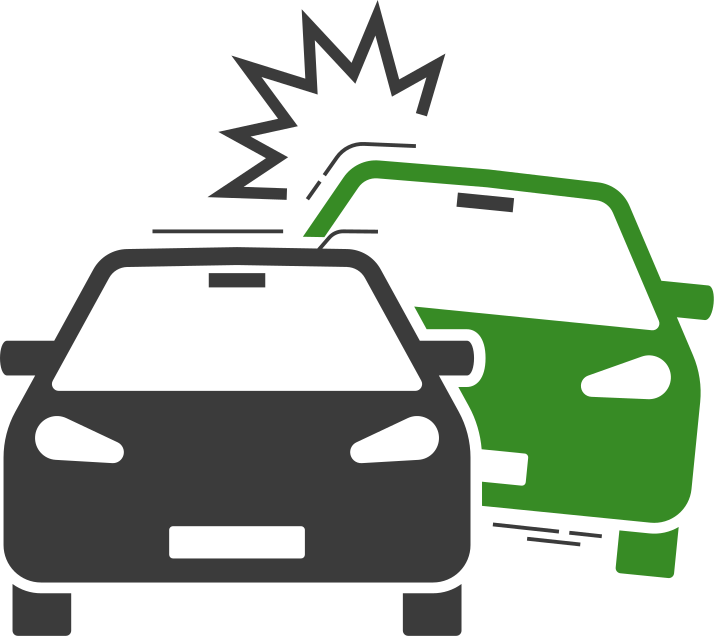
of fatal car accidents in Nebraska happen in urban areas


A car accident can be overwhelming and stressful, even if it's minor. Knowing what steps to take immediately afterward can help protect your health, your legal rights, and your financial interests. Here are five essential things to do after an accident:
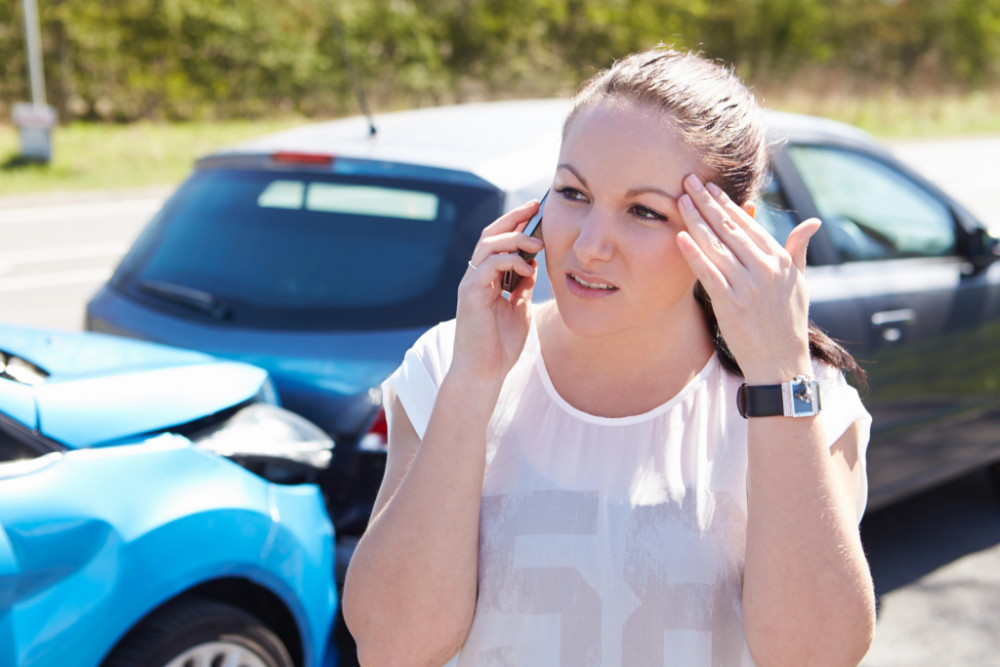

Your safety comes first. Check yourself and others for injuries and call 911 immediately if anyone is hurt. Even if injuries seem minor, it's important to get medical attention, as some symptoms may not appear right away. If possible, move to a safe location away from traffic while waiting for help to arrive.

Always report the accident to the police. An official police report creates an objective record of what happened, which can be critical for insurance claims and legal matters. Cooperate with the officer, provide accurate information, and avoid admitting fault at the scene.

If it's safe to do so, gather as much information as possible. Take photos or videos of the vehicles, damage, license plates, road conditions, traffic signs, and any visible injuries. Exchange contact and insurance information with the other driver(s) and attempt getting contact details from any witnesses in the area.

Even if you feel fine, consider seeing a medical professional as soon as possible. Injuries such as whiplash, concussions, or soft-tissue damage can take hours or days to show symptoms.

Report the accident to your insurance provider promptly and provide them with accurate details. Stick to the facts and avoid speculation. Keep copies of all documents related to the accident, including medical bills, repair estimates, and correspondence with insurers.

Fire a Rocket Signal Every Mile at Night
When driving through Nebraska's countryside at night, motorists were once required to stop every mile, send up a rocket signal and wait ten minutes for livestock to clear the road. While this is no longer enforced today, this law paints a vivid picture of a time when free-roaming cattle ruled the open plains and drivers had to literally light up the night sky to get through.
Drive Carefully on Mountains — What Mountains?
This is another oddball law, which requires drivers in Nebraska to drive with caution near the right edge of the highway when traveling through mountain roads. While this sounds like a common sense type of regulation, the strange part comes when you realize that Nebraska is mostly a flat state with moderate slopes. The legislature apparently decided to legislate for terrain the state simply doesn't have. To be fair, Bighorn Mountain does rise to 4,731 feet; however, the slope is mostly gradual and calling it a mountain range is a generous stretch of the imagination.
No Beer Without a Pot of Soup
Nebraska bar owners are not allowed to sell beer unless they are also brewing a kettle of soup at the same time. Picture walking into your favorite bar and catching the scent of simmering chicken broth alongside your cold pint. This law was seemingly rooted in the belief that a hot meal would curb excessive drunkenness. While the effectiveness of this regulation has not been determined, it certainly is a delicious and oddly wholesome approach to public safety.
The State Has Its Own Drunk driving Laws
Beyond regular DUI laws, Nebraska also decided to write its own aviation alcohol rules rather than simply deferring to the federal agency. State law makes it illegal to fly any aircraft with five-hundredths of one percent of alcohol in your body. The strange part is that the state chose to set a Blood Alcohol Concentration (BAC) limit at 0.05%, which is actually in direct conflict with the FAA’s lower 0.04% BAC limit.
No Washing Your Car in Lincoln After Dark
In Lincoln, Nebraska, washing your car after dark is technically against the law. This is a rule likely born from concerns about late-night noise, water waste and general neighbourhood disturbance.
Horses Need Written Permission to Enter Grand Island
In Grand Island, horses, mules and oxen are not allowed on six of the city's streets or downtown without written authorization from the chief of police. The authorization must be submitted twelve hours in advance. If you were planning a horseback ride through downtown Grand Island, the Chief of Police would like a word with you first.
Using Fog Lights Within 200 Feet of Another Vehicle is illegal
In Nebraska it is illegal to have fog lights on within 200 feet of another vehicle. This one is very much still enforced as it affects road safety. Fog lights may emit light low to the ground that can produce excessive glare to the vehicle traveling in the front. The law does not make the distinction between factory-installed fog lights and aftermarket ones, so you can get a ticket regardless of whether the car was originally manufactured with those lights or installed afterward.
No Donut Holes in Leigh
In the small village of Leigh, Nebraska, the sale of donuts with holes was banned as far back as 1887 and remained in effect until it was finally repealed a full century later in 1997. For 110 years, Leigh residents lived in a hole-free donut world. No word on whether filled donuts were celebrated as a loophole or simply accepted as the natural order of things.
No Bad Breath Barbers in Waterloo
In Waterloo, Nebraska, a law enacted around 1910 prohibits barbers from eating onions between 7 a.m. and 7 p.m. When your job requires leaning over people's heads for hours at a time, the legislature apparently decided that onion breath was a civic problem worth legislating.