

In the state of Nevada, traffic crashes remain a serious concern, with hundreds of fatalities recorded each year. In 2023 alone, Nevada reported approximately 386 traffic fatalities, resulting from hundreds of fatal crashes statewide, making it one of the deadliest years in nearly two decades. Recent trends show around 412-421 fatalities in 2024, 386 in 2023, 416 in 2022 and 385 in 2021, reflecting ongoing fluctuations in roadway deaths. Nearly 9 out of 10 fatal crashes occur in urban areas, particularly around Las Vegas, while rural crashes, though fewer, are often more severe due to higher speeds and delayed emergency response times. Pedestrian fatalities remain a major concern, with recent data trends indicating dozens of pedestrian deaths annually, driven in part by high traffic density in urban areas.
Passenger car occupants were involved in 104 fatalities (27%) of all traffic deaths in Nevada.
Motorcyclists accounted for 68 fatalities (18%), representing a significant share of total fatalities.
Occupants of light trucks and SUVs recorded 87 fatalities (22%) statewide.
Bus and public transportation vehicles were involved in 14 fatalities (4%).
Semi-trucks and tractor-trailers accounted for 4 fatalities (1%) of the total.
Pedestrian deaths totalled 106 fatalities (27%), making them one of the largest categories of traffic fatalities in Nevada.



Heavy traffic, high speeds, tourism flow, truck congestion


Remote stretches, high-speed two-lane sections, head-on crashes


Sharp curves, isolation, weather hazards (snow/ice)

Mountain terrain, icy conditions, steep grades

Heavy tourist traffic, DUI-related crashes, pedestrian risk
Single vehicle fatal car accident occurs on Blue Diamond Road.
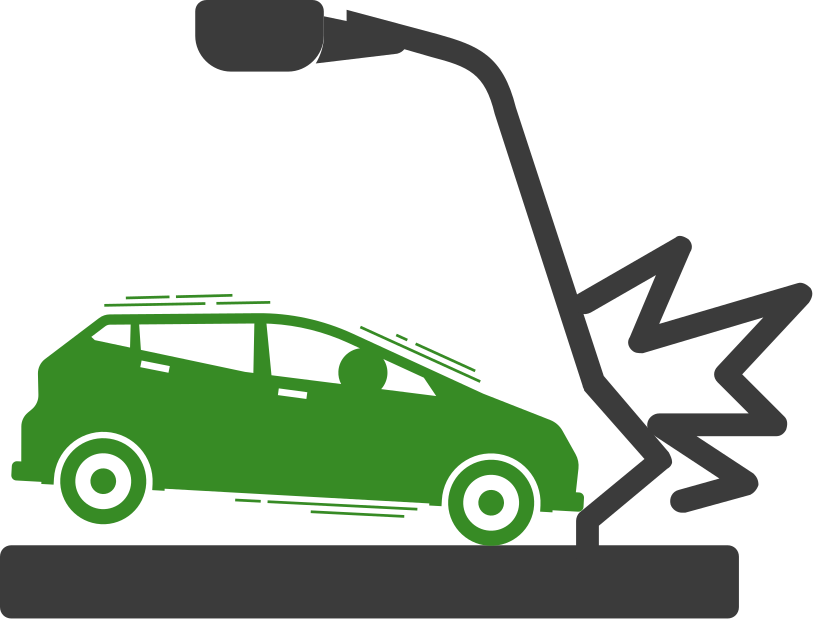
of fatal car accidents in Nevada happen in rural areas.

multiple vehicle fatal car accidents occur on Las Vegas Corridor road.
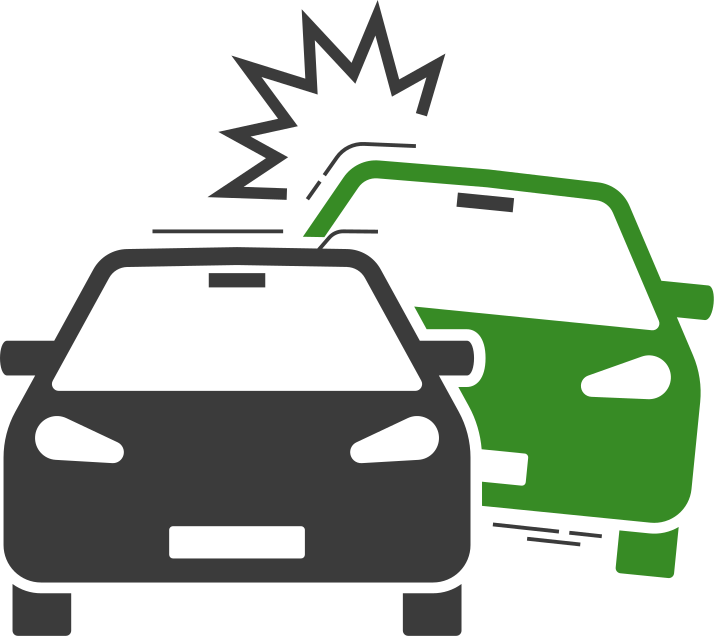
fatal car accidents in Nevada happen in urban areas.



A car accident can be overwhelming and stressful, even if it's minor. Knowing what steps to take immediately afterward can help protect your health, your legal rights, and your financial interests. Here are five essential things to do after an accident:
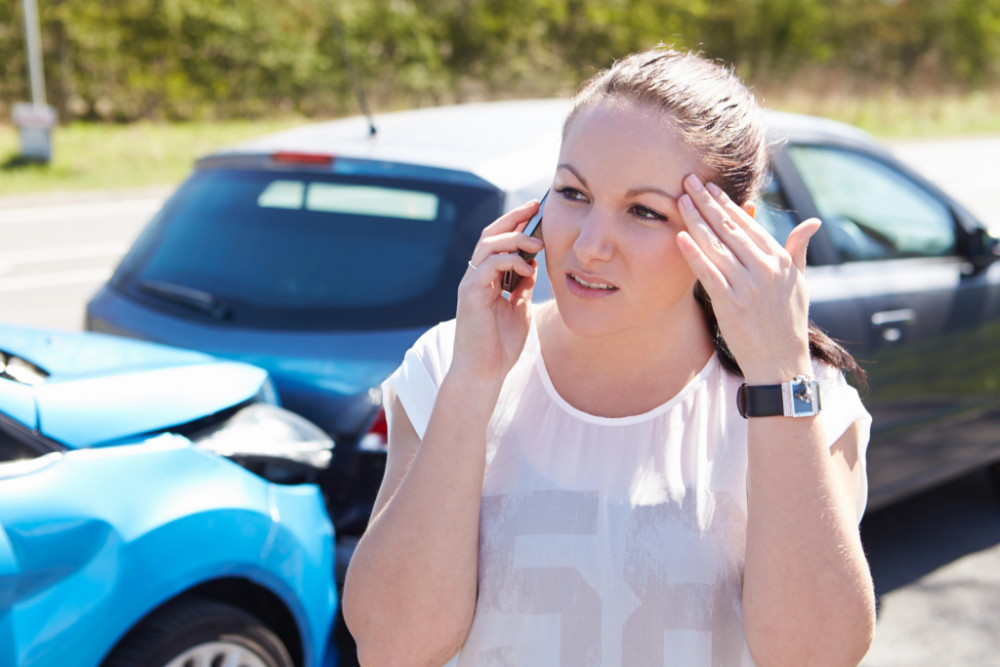

Your safety comes first. Check yourself and others for injuries and call 911 immediately if anyone is hurt. Even if injuries seem minor, it's important to get medical attention, as some symptoms may not appear right away. If possible, move to a safe location away from traffic while waiting for help to arrive.

Always report the accident to the police. An official police report creates an objective record of what happened, which can be critical for insurance claims and legal matters. Cooperate with the officer, provide accurate information, and avoid admitting fault at the scene.

If it's safe to do so, gather as much information as possible. Take photos or videos of the vehicles, damage, license plates, road conditions, traffic signs, and any visible injuries. Exchange contact and insurance information with the other driver(s) and attempt getting contact details from any witnesses in the area.

Even if you feel fine, consider seeing a medical professional as soon as possible. Injuries such as whiplash, concussions, or soft-tissue damage can take hours or days to show symptoms.

Report the accident to your insurance provider promptly and provide them with accurate details. Stick to the facts and avoid speculation. Keep copies of all documents related to the accident, including medical bills, repair estimates, and correspondence with insurers.

No Camels on the Highway
This is one of those old antiquated laws from the 1800s, when camels were a legitimate mode of transportation across Nevada's desert landscape. Camel traffic on highways apparently became enough of a problem that it was eventually outlawed. Strangely enough, there is no legislation banning camels from city streets in Nevada. So, if your camel is your daily commute vehicle, just stick to the surface roads.
No Flagging Down Taxis on the Strip
In Las Vegas, it is illegal to flag down a taxi directly on the Strip. This law was enacted primary due to safety concerns and to reduce congestion. The law requires visitors to use designated taxi stands, making transportation a bit more orderly in Sin City.
Speeding Over 80 MPH Is Automatically Reckless Driving
Nevada law specifies that you cannot receive a regular speeding ticket for going over 80 mph. When you cross that threshold, it is automatically classified as reckless driving. This isn't just a speeding fine; it’s a criminal misdemeanor. In fact, Nevada categorizes many driving offenses as misdemeanors, meaning that even violations that would be civil infractions in other states can leave you with a criminal record in Nevada.
Funeral Processions Can Run Red Lights — Legally
Another unusual Nevada law allows the lead car in a funeral procession to run a red light without being pulled over or ticketed. Those leading funeral processions can also disregard regulations governing direction of movement or turning in specific directions. It's one of the more surprisingly sweeping legal exemptions on Nevada's books.
You Cannot Pawn Your Own Dentures
In Las Vegas, it is illegal to pawn your own dentures. This law was apparently put in place because people were actually attempting to pawn their dental gear. Nevada's pawn shop laws are surprisingly extensive and they even prohibit a pawnbroker from accepting property from people who are intoxicated.
No Hula Hoops Over Four Feet on Fremont Street
On the historic Fremont Street in Las Vegas, hula hoops larger than four feet in diameter are banned. This rule aimed at street performers who were taking up too much space with their oversized routines. Violating this law could result in misdemeanor charges and even jail time.
No Swearing on Las Vegas Streets — Technically
Las Vegas municipal ordinance 10.40.030 prohibits anyone from saying anything vile, obscene or profane on a public street, alley or highway. Fortunately, this law has not been enforced in decades; however, police officers retain the power to tack it on as an additional charge alongside other infractions like public intoxication.
Masks Required in Elko
In 1918 the city of Elko enacted a law that required anyone walking on the street to be wearing some sort of mask. This law came about during the devastating Spanish influenza outbreak of 1918. The law was a last-ditch effort to curb the epidemic and has simply been forgotten and never removed from the books.