




- Historically, Nevada has had a very high theft rate; in fact, the city of Las Vegas saw 10,174 car thefts in 2024 alone.
- Nevada has the highest rate of auto‑fraud in the U.S., with ~346.1 auto‑related fraud cases per 1 million residents. This is one of the reasons why checking a vehicle’s title is one of the most important steps you can take when purchasing a used car in Nevada.
- One type of insurance fraud: “owner give-ups,” where owners falsely report their own vehicles as stolen to get insurance payouts. There have been countless cases where these previously reported stolen vehicles were found on the used car market being sold with falsified titles and documentation.
- Just recently Nevada DMV’s Compliance Enforcement Division (CED) recovered over 90 vehicles with switched VINs or titles, totalling $3 million+ in recovered value.
- Odometer fraud involving mileage rollback and tampering is also a significant problem in the state.
- Another form of fraud somewhat common in the state of Nevada has to do with the seller concealing a lien on the vehicle. By buying a car with a concealed lien, you risk unknowingly assuming the responsibility for the debt incurred by the previous owner. A title review may help in identifying any outstanding loans or financial claims tied to the vehicle, which could otherwise become the buyer’s responsibility.
- Because branded title vehicles like salvage must be rebuilt and re‑inspected before registration, many vehicles that once had salvage titles may now be under “rebuilt” status. While salvage vehicles account for a smaller number of registered vehicles in the state, they do pose issues when they are passed off as clean-title cars by dishonest sellers. Salvage vehicles are generally worth as much as 50% less than their clean title counterparts and for good reason. Salvage vehicles may often hide underlying issues that can jeopardize the vehicle’s safety and long-term performance, drastically increasing the cost of ownership. A simple title search can reveal important details such as whether the car has ever been declared salvage, rebuilt, or damaged, even when the physical title does not show any record of the past events.
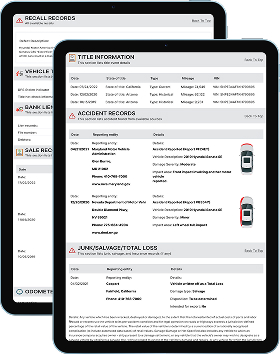
When combined with a full vehicle history report, this process provides a deeper look into past accidents, insurance claims, and registration activity. Overall, performing a thorough title review ensures transparency, reduces risks, and helps buyers make confident and well-informed purchasing choices.