

A total of 1,114 traffic fatalities were reported statewide, reflecting a 6% decrease from 2022 (1,182 deaths). Accident related fatalities had previously peaked at 1,175 in 2022, the highest level in the state of New York in nearly a decade. Despite a decline in overall crashes in recent years, fatal crashes remain higher than pre-pandemic levels. Approximately 75% of vehicles involved in fatal crashes were passenger cars and light trucks. A significant share of fatalities involved unrestrained occupants (no seat belt use), speeding (accounting for about one-third of deaths) and alcohol impairment (also contributing to about one-third of deaths). Most fatal crashes occur on urban roadways, where fatalities have risen notably in recent years. The leading causes of crashes in New York include speeding, alcohol or drug impairment, distracted driving and failure to use seat belts.
Passenger car occupants were involved in 274 fatalities (25%) of all traffic deaths.
Motorcyclists accounted for 201 fatalities (18%), representing a significant share of total fatalities.
Occupants of light trucks and SUVs recorded 233 fatalities (21%) statewide.
Bus and public transportation vehicles were involved in 48 fatalities (4%).
Semi-trucks and tractor-trailers accounted for 11 fatalities (1%) of the total.
Pedestrian deaths totalled 289 fatalities (26%), making them one of the largest categories of traffic fatalities.



New York's deadliest road by total fatal crashes over five years. Heavy traffic volume, high speeds and varying weather conditions across its long stretch make it consistently hazardous.


Runs through densely populated Hudson Valley communities. A mix of small-town intersections, commercial strips and stretches of higher-speed driving creates frequent collision scenarios.


One of the busiest highways in the state, notorious for severe rush-hour congestion and multi-vehicle pile-ups. Frequent on/off ramps and merging traffic are major crash contributors
One of the longest interstates in the country. Stretching across upstate New York, it's particularly treacherous in winter due to heavy snowfall, ice and rapidly changing weather conditions.
A major east-west commuter artery on Long Island with high traffic volume and speeds. Pedestrian crossings, frequent intersections and commercial activity along its corridor drive up accident rates.
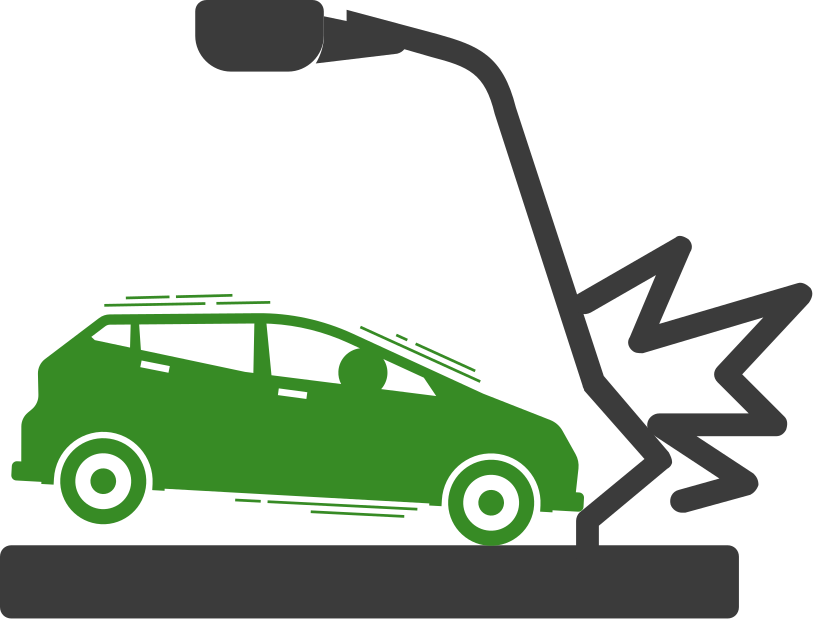
A single-vehicle fatal car accident occurs on Jefferson City Road.
of fatal car accidents in Missouri happen in rural areas.

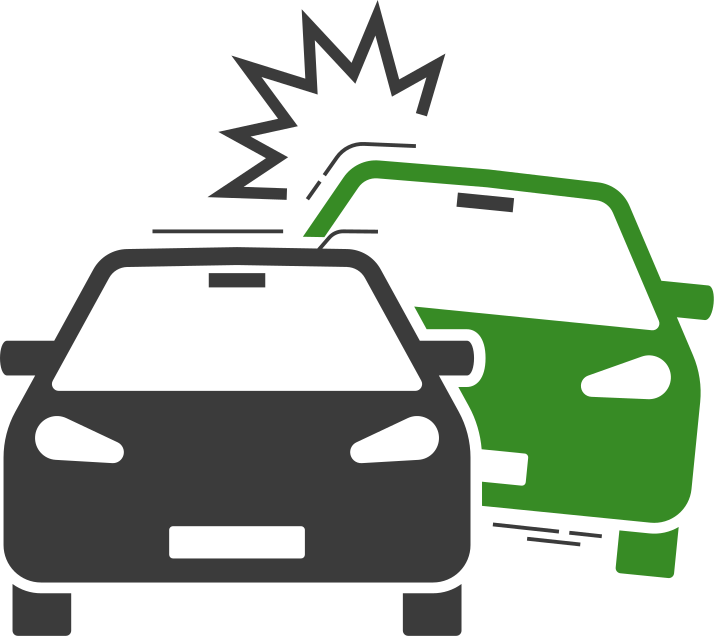
Multiple-vehicle fatal car accidents occur on St. Louis Road.
fatal car accidents in Missouri happen in urban areas.


A car accident can be overwhelming and stressful, even if it's minor. Knowing what steps to take immediately afterward can help protect your health, your legal rights, and your financial interests. Here are five essential things to do after an accident:
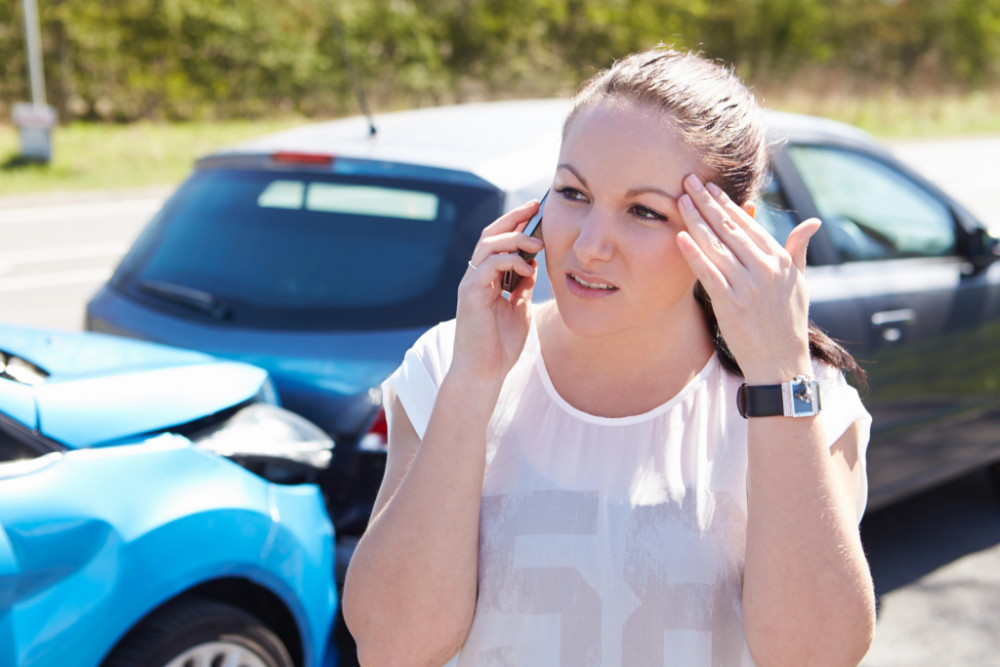

Your safety comes first. Check yourself and others for injuries and call 911 immediately if anyone is hurt. Even if injuries seem minor, it's important to get medical attention, as some symptoms may not appear right away. If possible, move to a safe location away from traffic while waiting for help to arrive.

Always report the accident to the police. An official police report creates an objective record of what happened, which can be critical for insurance claims and legal matters. Cooperate with the officer, provide accurate information, and avoid admitting fault at the scene.

If it's safe to do so, gather as much information as possible. Take photos or videos of the vehicles, damage, license plates, road conditions, traffic signs, and any visible injuries. Exchange contact and insurance information with the other driver(s) and attempt getting contact details from any witnesses in the area.

Even if you feel fine, consider seeing a medical professional as soon as possible. Injuries such as whiplash, concussions, or soft-tissue damage can take hours or days to show symptoms.

Report the accident to your insurance provider promptly and provide them with accurate details. Stick to the facts and avoid speculation. Keep copies of all documents related to the accident, including medical bills, repair estimates, and correspondence with insurers.

You must yield to a horse
While it is not common to spot a horse on public roadways, it is important to know they have the right of way. Under New York Vehicle & Traffic Law, vehicles must yield the right-of-way to horse-drawn vehicles and mounted riders. If a horse appears spooked by your car, you are legally required to pull over and, if requested by the rider, turn off your engine entirely and wait.
Handheld phone: $235 minimum + points
New York State has some of the strictest handheld device laws in the country. A first offense can cost anywhere from $50 to $200. A third offense within 18 months can cost as much as $450 and triggers a 60-day license suspension. However, where you end up paying the most is with mandatory surcharges, which can easily exceed $235. The 5 points added to your license can also cause insurance rates to spike.
The "Move Over" law extends to tow trucks & garbage trucks
Everyone knows you must move over for police and ambulances. In New York, this obligation extends to tow trucks, highway maintenance vehicles, sanitation trucks, and even construction vehicles with their lights on. Failure to change lanes (or slow to a safe speed if changing lanes is unsafe) can cost anywhere between $150 and $400 for the first offense.
Honking within 150 feet of a hospital is illegal
New York City's anti-noise ordinances make it illegal to honk your horn within 150 feet of a hospital or place of worship. There is one exception to the law, unless in immediate and genuine danger, so technically any horn blast that isn't a safety warning is illegal. The NYPD has run dedicated anti-honking enforcement crackdowns with officers stationed near tunnels and intersections.
Wearing headphones in both ears while driving is illegal
New York bans driving with headphones, earphones, or earbuds in both ears simultaneously. One earbud is technically permissible, but two is a moving violation. This law also applies to cyclists, making New York one of the few states to regulate earphone use for non-drivers on public roads.
You must clear snow off your entire car — not just the windshield
Accumulated snow and ice can pose some serious dangerous especially as it may get dislodged on the road, sending large chunks of ice and snow into other vehicles and pedestrians. Under the "Ice and Snow Removal" law, New York drivers must remove all snow and ice from their vehicles before driving, roof included. If snow flies off your vehicle and strikes another vehicle, you will be fined $1,500, completely separate from any accident liability. Truckers face even steeper penalties.
Traveling in the left lane is considered a driving infraction
On New York State parkways and expressways, traveling in the left lane when not overtaking is illegal, as it increases congestion and delays. Troopers can and do issue "Failure to Keep Right" tickets, with fines up to $150 and 2 license points. The NYSP has specifically announced enforcement campaigns targeting left-lane slowpokes.
Blocking a box intersection: $115 — and a camera will catch you
This is one of those common sense laws that unfortunately not all drivers follow. New York City's "Don't Block the Box" law makes it illegal to enter an intersection unless your exit is clear. Red-light camera programs now include box-blocking enforcement at dozens of intersections. Fines are $115 and go directly to the registered owner of the vehicle; the officer is not required to witness the offense.