

In 2023, North Carolina recorded a total of 284,157 traffic crashes, resulting in 1,686 fatalities and 115,009 injuries statewide. Of those crashes, 1,565 were fatal and 74,161 involved injuries, with 5,480 classified as severe injuries. Preliminary 2024 data shows the situation remained similarly concerning with 284,546 total crashes, 1,622 fatal crashes, 1,732 deaths and 113,602 injuries - suggesting fatalities actually rose slightly despite a near-identical crash count. Among the most vulnerable road users in 2023, approximately 250 pedestrians and 40 cyclists lost their lives, while motorcyclists accounted for 202 fatalities. Behaviourally, speeding was a factor in roughly 23% of fatalities, distracted driving contributed to approximately 16.9% of all crashes and impaired driving involving alcohol or drugs, played a major role in an estimated 35% of fatal crashes in some reports. Failure to yield and broader driver error were also frequently cited causes. Geographically, the crash burden was heavily concentrated in urban areas. Charlotte alone recorded more than 32,900 crashes in 2023, representing over 11% of all statewide crashes, underscoring the outsized role that high-density cities play in North Carolina's overall traffic safety picture.
With 589 fatalities, passenger cars accounted for the largest share of traffic deaths in North Carolina, making up 38% of the total.
Motorcyclists recorded 223 fatalities, representing 14% of the total and highlighting the continued vulnerability of riders on North Carolina roads.
Responsible for 411 fatalities, light trucks and SUVs represented the second highest category at 26% of all traffic deaths.

Fatalities involving buses and public transportation totalled 45, making up 3% of all traffic deaths.
Despite their size and potential for severe collisions, semi-trucks and tractor-trailers recorded the fewest fatalities at 19, accounting for just 1% of the total.
Despite not being vehicle occupants, pedestrians suffered 229 fatalities, accounting for 15% of total traffic deaths.



North Carolina's single deadliest road segment. Heavy truck traffic, complex interchanges near Charlotte Douglas Airport, high speeds and unlit stretches make this stretch uniquely lethal.


A heavily travelled north-south artery plagued by frequent congestion and collision clusters. Complex on/off ramp patterns and speed differentials between local and through traffic are major hazards.


Running 182 miles diagonally across the state, I-95 sees heavy commercial truck traffic, frequent rain and ice and high-speed through traffic. The Rocky Mount segment is especially dangerous.

One of two Greensboro stretches ranked among the state's deadliest. A mix of high-speed through traffic, commercial activity and limited pedestrian infrastructure creates persistent danger.

Just 11 miles long but packs 318 curves, popular with motorcyclists and thrill-seekers. Limited guardrails, icy conditions, wildlife crossings and blind bends make it one of the scariest roads in the nation.
Single-vehicle fatal car accidents occur in rural areas.
of all fatal car accidents in North Carolina happen in rural areas.

Multiple-vehicle fatal car accidents occur in the Robeson County area.
fatal car accidents in North Carolina happen in urban areas.

A car accident can be overwhelming and stressful, even if it's minor. Knowing what steps to take immediately afterward can help protect your health, your legal rights, and your financial interests. Here are five essential things to do after an accident:
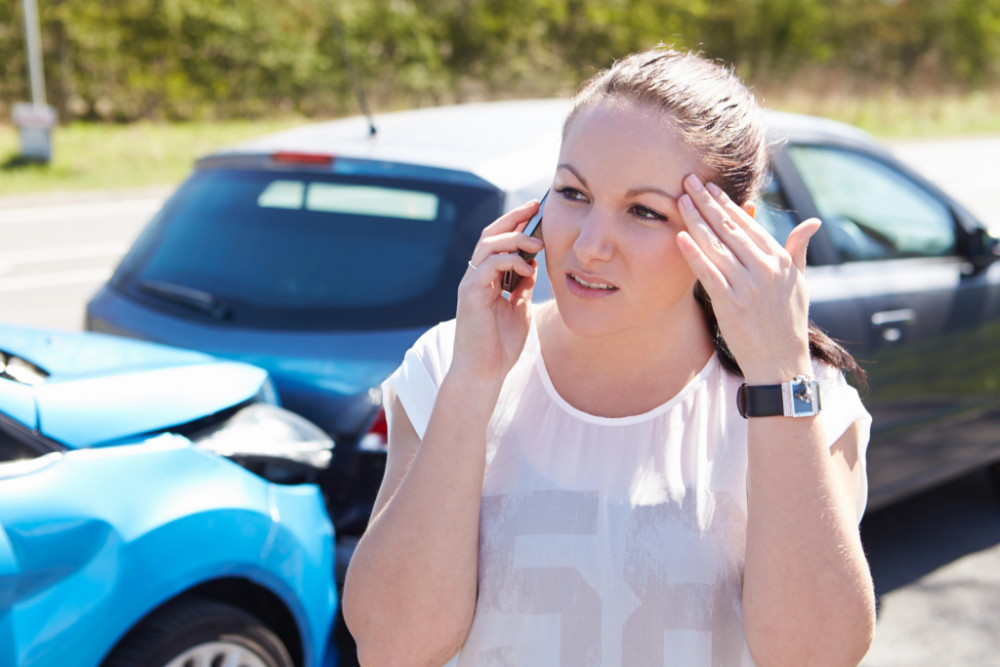

Your safety comes first. Check yourself and others for injuries and call 911 immediately if anyone is hurt. Even if injuries seem minor, it's important to get medical attention, as some symptoms may not appear right away. If possible, move to a safe location away from traffic while waiting for help to arrive.

Always report the accident to the police. An official police report creates an objective record of what happened, which can be critical for insurance claims and legal matters. Cooperate with the officer, provide accurate information, and avoid admitting fault at the scene.

If it's safe to do so, gather as much information as possible. Take photos or videos of the vehicles, damage, license plates, road conditions, traffic signs, and any visible injuries. Exchange contact and insurance information with the other driver(s) and attempt getting contact details from any witnesses in the area.

Even if you feel fine, consider seeing a medical professional as soon as possible. Injuries such as whiplash, concussions, or soft-tissue damage can take hours or days to show symptoms.

Report the accident to your insurance provider promptly and provide them with accurate details. Stick to the facts and avoid speculation. Keep copies of all documents related to the accident, including medical bills, repair estimates, and correspondence with insurers.

Distracted driving law
North Carolina’s Department of Transportation (DOT) has campaigned encouraging drivers to avoid dangerous driving habits like distracted driving. The state has prohibited the handling of a phone while driving. Glancing at a text, grabbing a snack or scrolling through your phone for even a split second can have devastating consequences. Your attention is your most powerful safety tool.
No driving barefoot
The state requires drivers to wear shoes while driving. Driving barefoot poses some very serious safety risks and violators can be cited. For multiple offenders the offense can be escalated to reckless driving and be considered a misdemeanor offense that carries hefty penalties and even license suspension.
Slow driving can earn you a ticket
You can be charged with a moving violation when driving too slowly and impeding traffic and can result in a citation. The law is created to keep an even flow of traffic, reducing congestion.
You must have your headlights on when the wipers are working
If it is raining outside and your windshield wipers are working, you are also required to turn on your headlights. This is one of those common-sense laws that helps increase visibility in adverse weather conditions. The law is enforceable and you can be fined for not having your headlights on; however, in most cases, the officers issue a warning, especially to first-time offenders.
Cyclists are treated like any other vehicle in the state of North Carolina
What this means is that cyclists are required to follow the same traffic laws as drivers. This includes stopping at red lights and stop signs and also signaling when they are about to turn using hand gestures.
Using your horn for the wrong reason can earn you a ticket
The state requires that the vehicle’s horn be only used for safety purposes. Using the horn excessively or aggressively or for non-safety related purposes can lead to a fine.