

The year 2023 proved to be a concerning one for road safety in North Dakota, with traffic fatalities rising despite a nationwide decline. While traffic deaths fell by nearly 4% across the United States in 2023, fatalities in North Dakota increased by over 8%, climbing from 98 in 2022 to 106 in 2023. In total, more than 10,400 vehicle crashes occurred during 2023, resulting in fatalities, injuries, and property damage. By late December, the state had recorded 3,640 traffic injuries and 107 traffic deaths with the leading contributing factors being failure to wear seatbelts, lane departures, speeding and alcohol. Seatbelt use remained a critical issue, as nearly half of the fatalities in the first half of the year involved individuals who were not wearing seatbelts where they were available. North Dakota also stood out nationally with 85% of crash deaths occurring on rural roads, which is one of the highest rates in the country. These statistics serve as a stark reminder that road safety is a shared responsibility. Staying buckled, driving sober, obeying speed limits and minimizing distractions remain the most effective ways to reduce these preventable tragedies on North Dakota's roads.
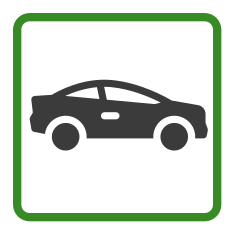
Passenger cars were the second most affected category, contributing 24 fatalities and representing 23% of all traffic deaths.
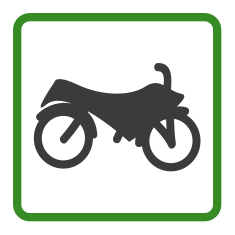
Motorcycles accounted for 16 fatalities, making up 15% of the total traffic deaths recorded in 2023.
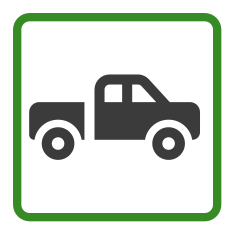
Accounting for the largest share of traffic fatalities, light trucks and SUVs recorded 47 deaths, making up 44% of the total.

Buses and public transportation recorded zero fatalities in 2023, standing out as the safest mode of travel during this period.
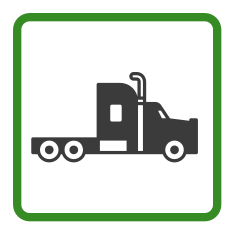
Large commercial vehicles were involved in 4 fatalities, accounting for 4% of the overall count.
A total of 10 pedestrian deaths were reported, representing 9% of all traffic fatalities across the state.



is widely considered the most dangerous road in North Dakota, with 300+ crashes annually and the highest fatality rates.


is heavily used by oil and gas trucks, making it one of the most hazardous routes due to congestion and large vehicles.


experiences frequent crashes because of long rural stretches, harsh winters and truck traffic.

is risky due to narrow lanes and frequent roadwork, increasing collision chances.

is dangerous due to blizzards, icy roads and chain-reaction crashes during low visibility conditions.
Single-vehicle fatal car accidents occur in Ransom County rural areas
of all fatal car accidents in North Dakota happen in rural areas.

Multiple-vehicle fatal car accidents occur in the Cass County area.
fatal car accidents in North Dakota happen in urban areas.



A car accident can be overwhelming and stressful, even if it's minor. Knowing what steps to take immediately afterward can help protect your health, your legal rights, and your financial interests. Here are five essential things to do after an accident:


Your safety comes first. Check yourself and others for injuries and call 911 immediately if anyone is hurt. Even if injuries seem minor, it's important to get medical attention, as some symptoms may not appear right away. If possible, move to a safe location away from traffic while waiting for help to arrive.

Always report the accident to the police. An official police report creates an objective record of what happened, which can be critical for insurance claims and legal matters. Cooperate with the officer, provide accurate information, and avoid admitting fault at the scene.

If it's safe to do so, gather as much information as possible. Take photos or videos of the vehicles, damage, license plates, road conditions, traffic signs, and any visible injuries. Exchange contact and insurance information with the other driver(s) and attempt getting contact details from any witnesses in the area.

Even if you feel fine, consider seeing a medical professional as soon as possible. Injuries such as whiplash, concussions, or soft-tissue damage can take hours or days to show symptoms.

Report the accident to your insurance provider promptly and provide them with accurate details. Stick to the facts and avoid speculation. Keep copies of all documents related to the accident, including medical bills, repair estimates, and correspondence with insurers.

Food & Liquor could not be served together
North Dakota law once prohibited bars and restaurants from serving beer or any other alcohol together with food at the same time. This old non-functional regulation stemmed from the historical “food divorcement” act from 1946, which aimed to separate the sale of food and liquor.
Leaving a vehicle unattended while it’s running
It is illegal to leave a vehicle running unattended in public areas such as roadways, gas stations, stores and parking lots. This law was primarily enacted to deter car theft.
Drunk on a Horse? That's Still a DUI
North Dakota law treats riding a horse under the influence of alcohol just as seriously as drunk driving. If you thought leaving your car keys behind was a sufficient safeguard after a night out, the law may disagree when they catch you riding a horse while intoxicated. This law was apparently designed to close the horse loophole.
No Squatted Trucks!
The state of North Dakota has an unusual pickup truck fad. It involves lowering the height of a pickup truck’s rear suspension and/or raising the front suspension, giving it a squatted appearance. Giving the vehicle such asymmetric height can cause poor driving dynamics and reduced visibility from the driver’s seat, posing serious risks to the driver as well as the public. Needless to say, this practice is banned in the state and can result in hefty fines.
Distracted Driving Will Cost You — Literally
This law is very much still enforced, as it is considered a very serious safety risk. Any driver caught committing a traffic violation while distracted can be issued a $100 citation or greater in North Dakota, regardless of age.
No Elk in Your Backyard Sandbox
This is another unusual North Dakota law, making it illegal to keep an elk in a sandbox in your own backyard. Exactly what prompted this law remains one of the great unanswered questions of Peace Garden State history.