

In Virginia, vehicle crash statistics for 2023 indicate that more than 120,000 crashes were reported statewide, resulting in thousands of injuries, including over 5,900 serious injury cases, with emergency services responding to severe crashes approximately every 68 minutes. A total of 907 fatalities were recorded, highlighting ongoing road safety concerns across the state. A significant portion of fatal crashes involved single-vehicle incidents, particularly on non-interstate and rural roads where about 85% of fatal crashes occur. Speeding remains a leading cause of deadly accidents, while alcohol-impaired driving continues to contribute substantially to fatalities. Additionally, failure to wear seatbelts was a major factor, with around 335 unrestrained occupant deaths accounting for more than half of total fatalities. Distracted driving also plays a consistent role in crash incidents. Overall, rural and non-interstate roads in Virginia are more prone to fatal single-vehicle crashes, whereas urban areas tend to experience more multi-vehicle collisions due to higher traffic density and congestion.
Cars were involved in 326 fatalities, accounting for 36% of all traffic deaths in Virginia.
Motorcycles were involved in 130 fatalities, representing 14% of all traffic deaths.
Light trucks and SUVs had the second highest involvement, accounting for 275 fatalities or 30% of all traffic deaths.

Buses and public transportation were involved in 15 fatalities, making up 1.5% of all traffic deaths.
Semi/Tractor Trailers were involved in 20 fatalities, representing 2% of all traffic deaths.
Pedestrians accounted for 129 fatalities, making up 14% of all traffic deaths in Virginia.



One of the busiest highways on the East Coast, especially in Northern Virginia; heavy congestion, stop-and-go traffic and frequent multi-vehicle crashes.


Major east-west corridor with high traffic volume, construction zones and accident-prone segments near urban areas like Richmond and Hampton Roads.


Known for heavy truck traffic, long rural stretches and a high rate of severe crashes, particularly involving large commercial vehicles.

Runs parallel to I-95 with frequent intersections, signals and local traffic, increasing the risk of collisions.

High-speed highway with mixed rural and suburban traffic; crash risks come from intersections, merging vehicles and varying speed limits.
Single vehicle fatal car accidents occur in Hampton with its heavy traffic on I-64 and notorious local intersections.
of fatal car accidents in Virginia happen in rural areas.

Multiple vehicle fatal car accidents occur on Interstate corridors including I-95, I-64, I-81 and I-66.
of fatal car accidents in Virginia happen in urban areas.



A car accident can be overwhelming and stressful, even if it's minor. Knowing what steps to take immediately afterward can help protect your health, your legal rights, and your financial interests. Here are five essential things to do after an accident:
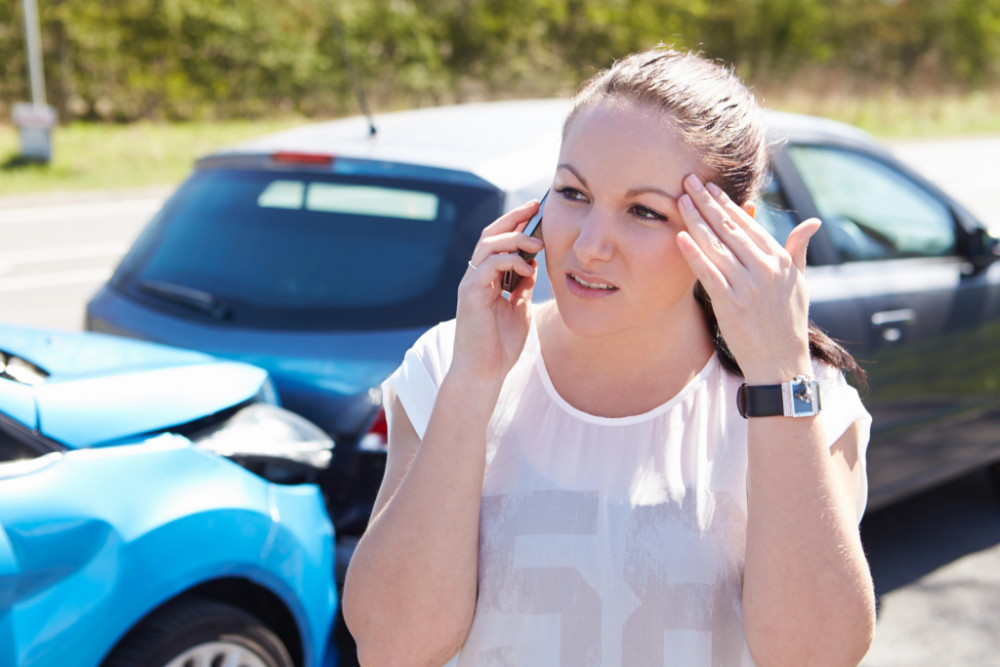

Your safety comes first. Check yourself and others for injuries and call 911 immediately if anyone is hurt. Even if injuries seem minor, it's important to get medical attention, as some symptoms may not appear right away. If possible, move to a safe location away from traffic while waiting for help to arrive.

Always report the accident to the police. An official police report creates an objective record of what happened, which can be critical for insurance claims and legal matters. Cooperate with the officer, provide accurate information, and avoid admitting fault at the scene.

If it's safe to do so, gather as much information as possible. Take photos or videos of the vehicles, damage, license plates, road conditions, traffic signs, and any visible injuries. Exchange contact and insurance information with the other driver(s) and attempt getting contact details from any witnesses in the area.

Even if you feel fine, consider seeing a medical professional as soon as possible. Injuries such as whiplash, concussions, or soft-tissue damage can take hours or days to show symptoms.

Report the accident to your insurance provider promptly and provide them with accurate details. Stick to the facts and avoid speculation. Keep copies of all documents related to the accident, including medical bills, repair estimates, and correspondence with insurers.

The Cursing Car Law - It is illegal to use profane, indecent or offensive language over a car radio in a way that can be heard by others on the street. This offense can be categorized as a class 1 misdemeanour.
The Sunday Hunting Ban - In Virginia, it is illegal to hunt any animal from a moving vehicle on Sundays. This is technically 2 violations wrapped up into one, as it is a violation of vehicle-assisted hunting laws and Sunday hunting restrictions on publicly owned lands.
The Coin Toss Rule - Believe it or not, it is technically illegal to flip a coin to decide who pays for a cup of coffee in a restaurant in Virginia. This strange, rarely enforced rule acts as an ordinance rather than a state-wide ban.
The 13-Hour Rule - In Virginia, it is illegal to drive on a highway for more than 13 hours within a 24-hour period. This law does not take under account whether you have driven from another state, as it aims to keep fatigued drivers off the road.
Crossing in Certain Parts of Virginia Beach is Prohibited - Driving up and down Atlantic Avenue in Virginia Beach within a 30-minute time span is illegal. The law aims to reduce congestion and improve safety on this popular roadway.
The Horn Honking Law - This rarely enforced law requires drivers to honk their horns prior to overpassing a vehicle.
The Radar Detector Irony - Virginia is the only state that bans radar detectors, yet the state also has some of the most confusing and inconsistent speed limit signs in the country, making speeding a very common violation.
The Dead Animal Rule - It is illegal to leave a dead animal on someone else's property in Virginia without their permission. While this seems obvious, someone apparently needed a law to clarify that dumping roadkill in a neighbour’s yard is not acceptable behaviour.
The Parking on Railroad Tracks Law - This is another one of those common-sense laws making parking a vehicle on railroad tracks in Virginia illegal.
Driving With Obstructed View of the Road - Virginia explicitly makes it illegal to operate a vehicle while the driver’s view of the road is obstructed by passengers or objects outside the car’s windshield.
The Skateboard Highway Law - This is another one of those common sense laws that should go without saying. Skateboarding on a highway is not only a very bad idea, but it is also illegal and can come with some serious consequences.