

In Wisconsin, vehicle crash statistics for 2023 show that a total of 120,545 crashes were reported statewide, including 23,244 injury crashes and 96,854 property-damage-only incidents, resulting in 31,908 injuries and over 500 fatalities, with estimates ranging between 496 and 583 deaths depending on reporting scope. While overall fatalities showed a slight decrease compared to 2022, crash numbers remain significant with rear-end and angle collisions among the most common types. Major contributing factors to fatal crashes include speeding, alcohol-impaired driving, distracted driving, and failure to wear seatbelts. Passenger vehicles account for the majority of crashes, while truck-involved incidents contribute to approximately 85 fatalities or about 14.6% of the total. Although urban areas experience a higher volume of crashes due to traffic density, rural roads are responsible for a larger share of severe and fatal accidents, highlighting ongoing road safety challenges across the state.
In the state of Wisconsin, passenger cars were involved in the highest number of traffic fatalities, accounting for a total of 213 deaths, which represents 37% of all recorded traffic fatalities within the state during the reporting period.
Motorcycles were involved in a total of 103 traffic fatalities within the state of Wisconsin, representing 18% of all recorded crash deaths, underscoring the significant vulnerability of motorcycle operators and passengers on Wisconsin roadways.
Light trucks and sport utility vehicles (SUVs) constituted the second largest category of vehicle-related fatalities in Wisconsin with a total of 164 deaths recorded, representing 28% of all traffic fatalities reported within the state during the designated reporting period.

Buses and public transportation vehicles were involved in a total of 8 traffic fatalities within the state of Wisconsin, accounting for 1% of all recorded crash deaths, reflecting the relatively lower fatality risk associated with public transportation vehicles on Wisconsin roadways.
Semi-trucks and tractor-trailer vehicles were involved in a total of 7 traffic fatalities within the state of Wisconsin, comprising 1% of all recorded crash deaths, highlighting the ongoing safety concerns associated with large commercial vehicles operating on Wisconsin highways and roadways.
Pedestrians accounted for a total of 59 traffic fatalities within the state of Wisconsin, representing 10% of all recorded traffic deaths, emphasizing the critical need for enhanced pedestrian safety measures and infrastructure improvements across Wisconsin roadways to better protect vulnerable road users.



Considered the deadliest interstate in the state, especially between Milwaukee and Madison due to heavy traffic, high speeds and severe winter conditions.


A busy corridor from Milwaukee to Green Bay with high traffic volume, truck movement and winter hazards, leading to frequent multi-vehicle crashes.


Particularly dangerous in the Madison area, with frequent major collisions and congestion near intersections.

Identified as the deadliest road stretch in Wisconsin, especially in Milwaukee, with a high number of fatal crashes over time.

Another high-risk road in Milwaukee due to busy intersections, urban traffic and frequent fatal crashes.
Single vehicle fatal car accidents occur in rural areas, often linked to roadway departure and high-speed conditions.
of fatal car accidents in Wisconsin happen in rural areas.

Multiple vehicle fatal car accidents occur in urban areas, driven by congestion and traffic interaction.
of fatal car accidents in Wisconsin happen in urban areas.


A car accident can be overwhelming and stressful, even if it's minor. Knowing what steps to take immediately afterward can help protect your health, your legal rights, and your financial interests. Here are five essential things to do after an accident:
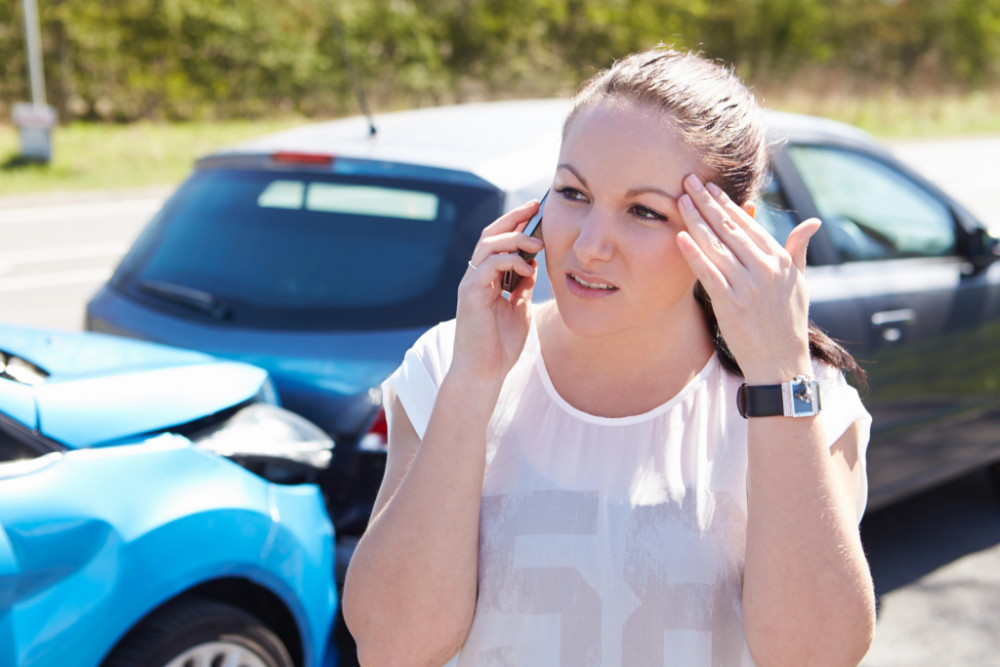

Your safety comes first. Check yourself and others for injuries and call 911 immediately if anyone is hurt. Even if injuries seem minor, it's important to get medical attention, as some symptoms may not appear right away. If possible, move to a safe location away from traffic while waiting for help to arrive.

Always report the accident to the police. An official police report creates an objective record of what happened, which can be critical for insurance claims and legal matters. Cooperate with the officer, provide accurate information, and avoid admitting fault at the scene.

If it's safe to do so, gather as much information as possible. Take photos or videos of the vehicles, damage, license plates, road conditions, traffic signs, and any visible injuries. Exchange contact and insurance information with the other driver(s) and attempt getting contact details from any witnesses in the area.

Even if you feel fine, consider seeing a medical professional as soon as possible. Injuries such as whiplash, concussions, or soft-tissue damage can take hours or days to show symptoms.

Report the accident to your insurance provider promptly and provide them with accurate details. Stick to the facts and avoid speculation. Keep copies of all documents related to the accident, including medical bills, repair estimates, and correspondence with insurers.

The Cheese Priority Law: In Wisconsin, the state takes its cheese so seriously that there are specific laws governing the transportation of dairy products on public roads. In fact, the state allows tankers carrying dairy products to be heavier than the standard weight limit permits. The goal is to reduce the number of trips these trucks take to transport product.
The Butter Substitute Ban: In Wisconsin, it is illegal to serve margarine or butter substitutes in restaurants unless a customer specifically requests it. While this has nothing directly to do with driving, it is interesting to know that Wisconsin is the only state where such a law exists; no wonder the state is often referred to as the Dairy State.
The Dead Animal Transportation Law: In Wisconsin, it is illegal to transport a dead animal in the back of a vehicle without a proper permit or documentation. The state requires drivers to comply with strict laws to prevent disease transmission and even picking up roadkill has a legal process in Wisconsin.
The Bicycle Passenger Law: In Wisconsin, it is illegal to carry more passengers on a bicycle than the bicycle was designed to carry.
The Jumping from a Moving Vehicle Ban: In Wisconsin, it is illegal to jump from a moving vehicle on a public road. This is another one of those common-sense laws that needs no explanation.
Commercial Vehicle Mechanics alcohol restrictions: In Wisconsin, it is illegal for any commercial vehicle auto mechanic or garage worker to drink alcoholic beverages while working on a customer's vehicle. This is a perfectly reasonable workplace safety rule that may impact people who use and depend on commercial vehicles in their everyday lives.
The No Parking on the Road Law: In Wisconsin, it is illegal to park your vehicle on a public road in such a way that it obstructs the flow of traffic. While this seems like common sense, Wisconsin takes this law so seriously that even partially blocking a lane of traffic can result in a fine.
The Cattle Crossing Law: In Wisconsin, drivers are legally required to stop and yield to cattle crossing a public road, regardless of the size of the herd or the amount of traffic backed up behind them.
The Motor Vehicle Noise Law: In Wisconsin, it is illegal to operate a motor vehicle that produces excessive noise on a public road. This includes vehicles with modified exhaust systems and unnecessarily loud engines.
The Fireworks from a Vehicle Ban: In Wisconsin, it is strictly illegal to set off fireworks from a moving vehicle on a public road. While this seems like a very obvious safety rule, the fact that it had to be specifically included in Wisconsin law suggests that it was prompted by real events.
The Horse and Buggy Road Law: In Wisconsin, horse-drawn vehicles are legally permitted to use public roads and are subject to the same traffic laws as motor vehicles. Drivers are legally required to treat horses and buggies with the same respect as any other vehicle.
The No Driving Without Shoes Law: While many people believe it is illegal to drive barefoot in Wisconsin, the state actually has no specific law prohibiting it. However, law enforcement officials strongly advise against barefoot driving, as it can be considered reckless driving if it leads to an accident.
The Pedestrian Crossing Confusion Law: In Wisconsin, pedestrians have the right of way at all marked crosswalks, but drivers are only required to yield when the pedestrian has already stepped into the crosswalk. This creates a somewhat confusing situation where in some cases both the driver and the pedestrian are waiting for the other to make the first move.
The Railroad Crossing Law: In Wisconsin, all drivers are legally required to come to a complete stop at railroad crossings when a train is approaching or when the crossing signals are activated. Violating this law can result in a fine of up to $500 and is considered one of the most seriously enforced traffic laws in the state.