How to Reveal Engine Type with Engine VIN Number Lookup
Nick Roshon
A Vehicle Identification Number (VIN) is a unique identifier for your car, motorcycle, RV , or another vehicle. More than just an identification number, a VIN can help reveal important vehicle details, including the engine type, engine code and engine specifications. With an engine VIN number lookup, you can quickly find information about your vehicle's engine without relying only on the vehicle's physical markings.
Every vehicle manufactured after the year of 1984 has this unique VIN number and it can be used to obtain valuable information about that specific vehicle. Beyond obtaining the vehicle's year, make and model, you can also obtain the engine type by VIN, including the engine code. The engine code is contained in the VIN number, so whether you are trying to check engine size by VIN number or identify the engine-by-engine number, a VIN check can help uncover a wealth of information. Everything from engine displacement, configuration, size and designation can be obtained with a simple VIN-based engine number check.
This information can all be obtained through a vehicle engine number check online. To decode any engine based on VIN, simply follow these steps:
- Find it on your title and/or registration papers and on the vehicle itself. Here are some of the more common locations where a VIN number may be located:
- On the driver's section of the dashboard
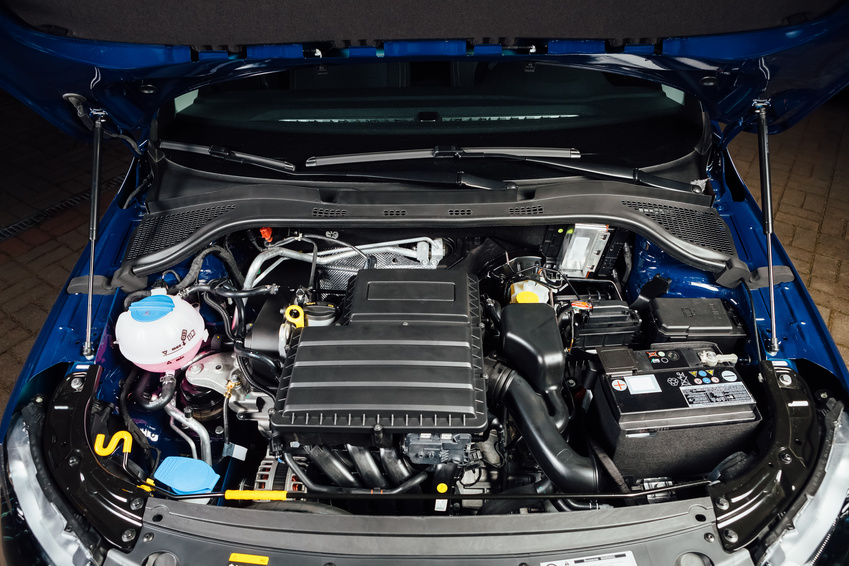
- Under the hood
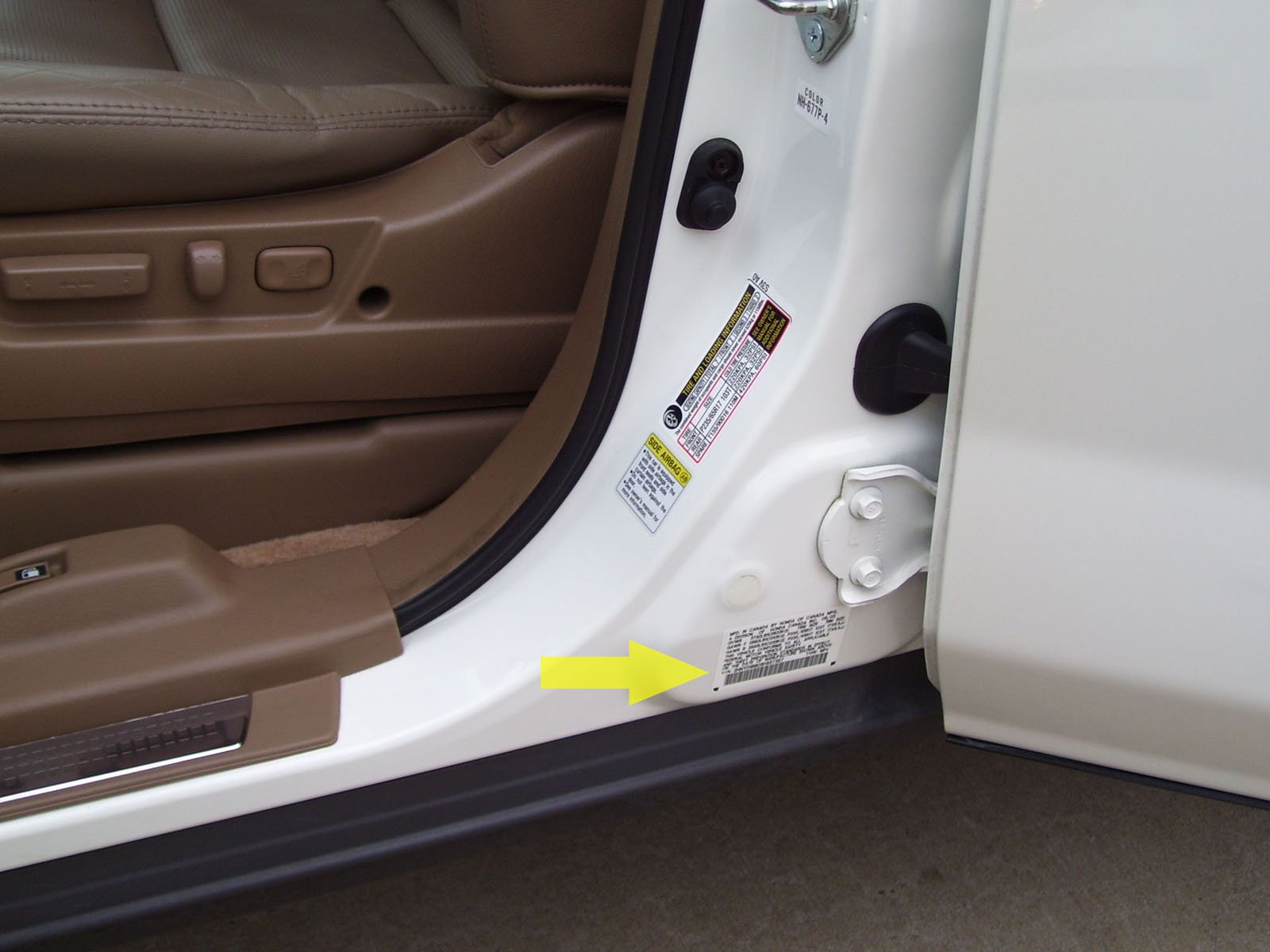
- On the doorjamb of the driver's or possibly passenger's side
- On the firewall
- On the internal wheel arch on the driver's section
- When you locate the VIN, you will be able to find the engine number from VIN by using a vehicle history report and VIN decoding service like VINCheckUp.com Simply enter the VIN number into the VIN search fields and follow the simple steps to view results.
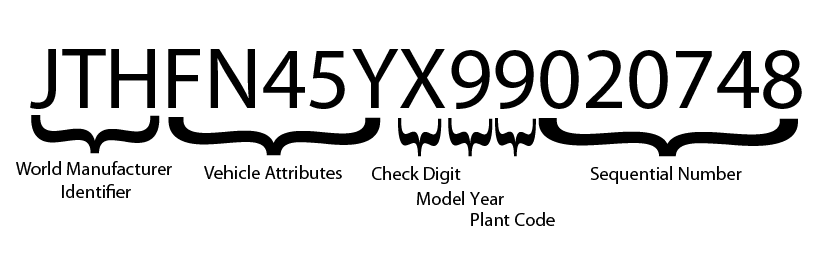
- Another way of finding the engine code from the VIN is by identifying the 4th to 8th characters of the VIN number. These characters are reserved for the engine code. Since each manufacturer assigns different representations to those 2 characters, you may need to contact the manufacturer or do some independent research to determine what the 4th and 8th characters represent. To confirm the major features of the vehicle, namely the year (it is normally decoded in the 10th character), the auto manufacturer (the 2nd character of the VIN) and the model (the 3rd character). Determine the character, which corresponds to the engine of your vehicle. It is normally within the 4th to 9th positions, which formulate a description sector having information relating to the engine type, braking system and body type. However, if you are searching for the engine code of selected vehicles such as Toyota, Audi, Volkswagen, BMW, Lexus, Mercedes Benz, Honda, and several others, their engine codes are located directly on the engine.
Be sure that these attributes correspond with the information as displayed on the vehicle title.
- Manually decoding a VIN number can be a very daunting task and it will not provide a lot of the crucial information that is only available through a vehicle history report service. This is why you may benefit from obtaining a full vehicle history report. By generating a report through VinCheckUp.com, you will be able to view data relating to the vehicle’s build sheet as well as various events such as accidents, sales, liens, repossessions, recalls and more… Whether you want to know how to check the engine size or determine if the car has ever suffered any damages due to a collision or natural weather event, a comprehensive vehicle history report is an invaluable tool.
Finding your engine type is easy if you have the right VIN and follow the above process. You can easily detect your engine type by following the above steps.
Read more articles
Post a comment
Popular Articles