Are Automakers Sacrificing Mechanical Quality for High-Tech Interiors?
Valerie Raskovic
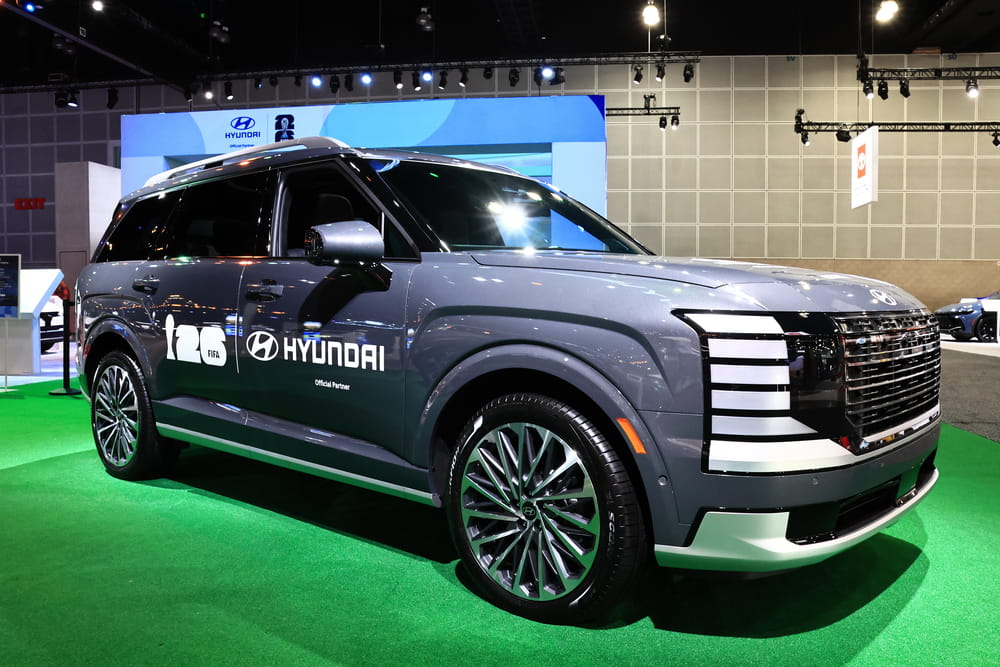
When you walk into a car showroom, it is easy to be impressed by some of the new vehicles on display. Beyond digital screens and stunning dashboard designs with LED lighting all around the inside of the car, manufacturers are also using more premium soft materials on almost every surface you can touch. A lot of mainstream car manufacturers like Hyundai have started offering features that were once reserved for premium and luxury brands. Even midrange cars feel luxurious and they do not cost as much as the premium luxury brands. The issue is how the non-premium brands are able to pull off premium or even luxury car interiors and features while maintaining competitive pricing within the regular mid-tier markets. Is it possible these car companies prioritized what the customer can see and feel over the car’s internal components?
The Rarely Noticed Deception
The truth is that most people who buy new cars spend a lot more time looking at the inside of the car than they do looking at the parts under the hood or underneath the car. Car companies know this and allocate a good chunk of the car’s build budget into new technology, entertainment systems and car interior design. These are the things that people notice when they are deciding which car to buy. A car with an opulent modern interior can make most consumers think it is a high-quality car even if the parts underneath it is of subpar quality.
The Hyundai Palisade is one of the best examples of this. The 2026 Palisade sports a stunning interior with zero gravity seats, beautiful design, good quality interior components, big digital screens, and a lot of other features that you would find in a more expensive car. While the Palisade can pull off the luxury car look, it is still attainable to the masses with a starting MSRP of under $40,000; it may appear like a bargain of the century. Even the top trim models rarely top the $60,000 mark, making the Palisade appear like buying a luxury car cheat code.
However, once you understand that the price this vehicle is being sold for, the car manufacturer does not have a very large budget for each vehicle. Hyundai must be careful about how it spends its money. They use a process called value engineering, where they put money into the things that people notice and they save money on the things that people do not see. This can mean using cheaper internal components with shorter predicted lifespans. To the trained eye the difference in overall quality is clearly visible when checking under the car and under the hood. The cost cutting is apparent with the use of cheaper suspension components, cheaper plastic hoses, lower quality fasteners and exhaust systems that rust even before the vehicle is driven off the showroom floor.
This is not something specific to the Hyundai brand. A lot of car companies are prioritizing value engineering. They are all trying to make cars that have a lot of features and feel premium without the premium price tag. To do this they have to make compromises by finding ways to save money on parts and systems that the consumer does not see and interact with on a daily basis. This often means that the engineers are limited to which components they can use and from which suppliers. Many of these car companies opt to use manufacturers specializing in cheaper components, outdated manufacturing technology and simpler designs for the parts of the car that you cannot see. These parts might be okay when the car is new. The main concern is what happens when the car gets older, as the concerns of these components not lasting as long as their high-quality counterparts are very real.
It is also worth noting that car companies are not just using cheaper materials to save money. They are also using them to make the cars lighter, which can improve fuel economy and reduce emissions. These materials can be just as good as metal if they are designed and tested properly. The problem is that some car companies might be prioritizing profits over using new materials and technology to improve cars beyond their aesthetic value.
What to look for in a new car
When you are buying a car, you should not just look at the interior. You should also think about the quality of the engine, the cooling system, the suspension, the exhaust and the other parts of the car that you cannot see. Look under the hood and underneath the car. Check if the vehicle you intend to purchase comes with a quality stainless steel exhaust or if it has suspension components manufactured by a reputable company known for their quality. Do some research and read reviews from people who have owned the car for a long time. These are the things that will help you understand how well the car lasts over time.
No matter how impressive a car’s interior may appear, it is vital to look past the stunning design and cool tech features and compare it to its rivals under the hood. Think about the vehicle’s long-term reliability and the cost of maintenance as the vehicle gets older.
While we know cars like the Hyundai Palisade are a top choice for people who want a car that feels luxurious but does not cost as much as a luxury brand, we also know the car has some obvious cost cutting. From cheaper plastic components under the hood to cheaper packaging of vital components, making them harder to replace and service, this type of vehicle may have long-term costs that come as a surprise to car owners.
You should think about the car beyond its initial looks and features, including the parts that you cannot see without looking underneath it and popping the hood. The key is recognizing that an upscale appearance doesn't automatically mean every part of the vehicle has been built to the same standard. Taking the time to look beyond the dashboard can help buyers choose a vehicle that not only feels premium on the day it's purchased but also continues to provide dependable service for years to come.
Read more articles