Volkswagen's Electric Camper Is Finally Here
Valerie Raskovic
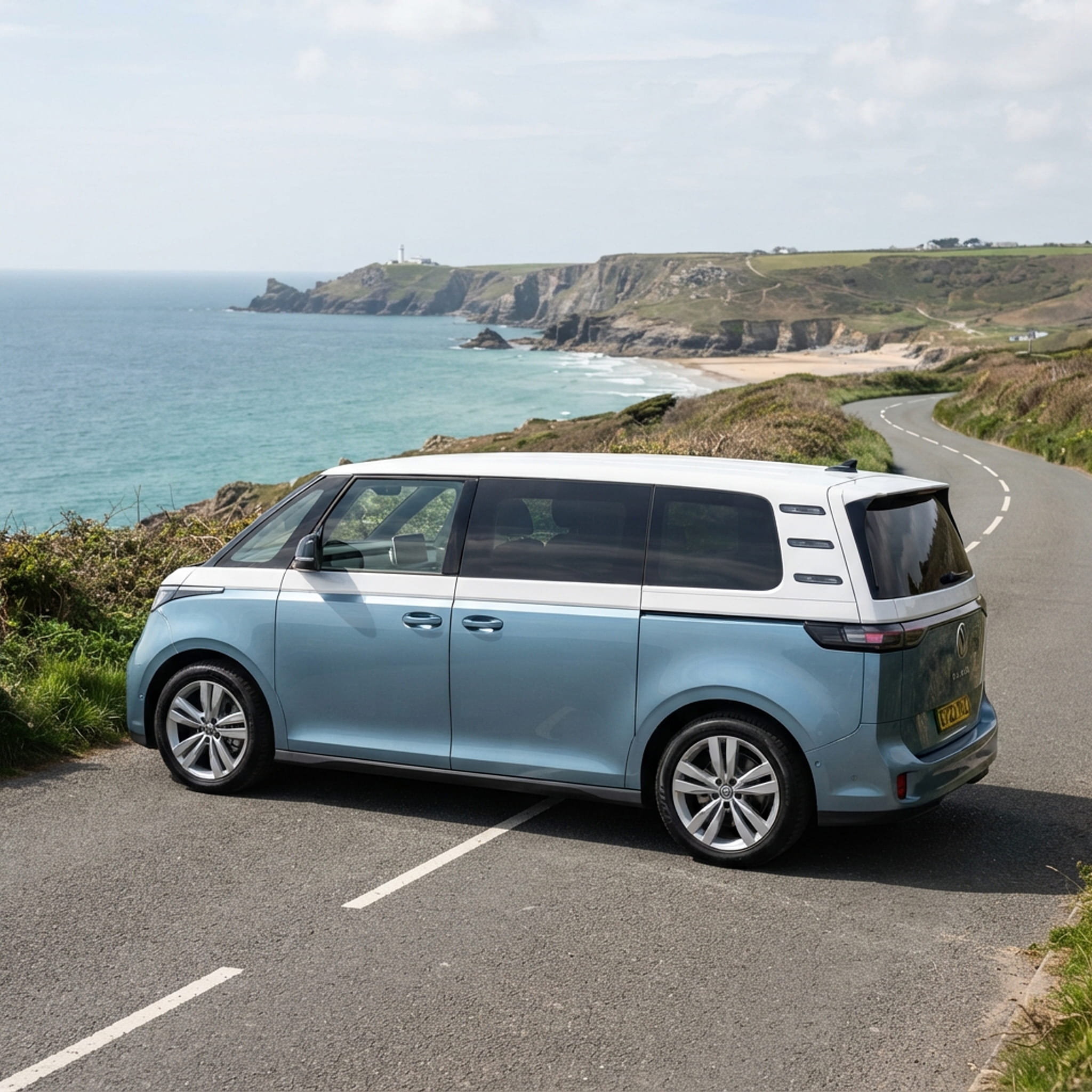
Volkswagen has spent decades building some of the most recognizable camper vans in the world. The California name has become almost as closely associated with road trips and camping as the Volkswagen badge itself. Starting in 2029, Volkswagen will offer a fully electric camper van based on the ID. Buzz.
The California Cruise is aimed at consumers who want to get away for a weekend without dealing with the cost and complexity surrounding larger full-size motorhomes. It is a smaller, simpler and considerably more modern solution that takes a somewhat different approach to what an electric camper can mean.
Not Quite a Traditional Volkswagen Camper
It’s no secret that the VW Buzz was not welcomed with the same enthusiasm as the original VW Bus however, by essentially repurposing the VW Bus platform to attract new buyers, VW is hoping to reach a new customer base. The company has gambled on the idea that consumers want a Volkswagen electric alternative to the compact motorhome. The VW ID California Cruise has a folding bed for two, blackout window coverings, camping furniture and ventilation provisions.
The interior room is a bit tight, so there is no room for a permanent kitchen, no built-in sink and water system. The lack of a pop-up roof may come as a disappointment to classic Volkswagen van lovers; however, the brand’s reasoning behind this decision lies in the fact that adding this option may add a lot of unnecessary complexity to the vehicle that will affect its cost.
The all-new VW electric camper van is designed to bring back some of the utility not offered by traditional motorhomes. The VW California Camper is designed to be useful outside for camping and leisure. Buyers nowadays expect more from a vehicle, especially when they are spending north of $60,000. This new vehicle can be used as a regular commuter vehicle, a grocery getter, and for normal family life during the other 350 or so days of the year.
The thinking behind the California Cruise
The Volkswagen ID California Cruise is primarily a two-person camper designed based on the needs of 2 people. The rear of the vehicle can be converted into a sleeping area measuring roughly 80 inches long and 47 inches wide. It isn't exactly a king-size bed, but for two people spending a weekend outdoors, it should be adequate. When the bed is folded away, the interior can be used as normal cargo or passenger space.
Volkswagen also provides a table and two camping chairs that can be stored in the vehicle. Window coverings provide privacy at night, while ventilation grilles can allow fresh air into the cabin without leaving the windows completely open.
It is a straightforward setup, rather than loading the vehicle with every piece of equipment imaginable. Volkswagen has concentrated on the things that are difficult to improvise inside a vehicle: a proper sleeping platform, ventilation, storage and a place to sit. Everything else can be brought along depending on the trip.
The Downsides
Traditional California campers have typically offered considerably more equipment. The cruise doesn't. It focuses more on servicing the customer in multiple different roles rather than being fully loaded camper van. Instead, owners are expected to bring their own camping stove, cooler, cookware and other supplies. For someone who camps occasionally, this might be preferable to having a kitchen permanently occupying part of the vehicle they use for their daily commutes.
The downside is obvious. If you're accustomed to a traditional camper with everything ready to go, the Cruise is going to feel rather bare. It is less of a motorhome and more of a very well-equipped sleeping platform on wheels.
The other obvious downside had less to do with this vehicle behind a van but more with the fact that it is fully electric. Range anxiety is likely to be a real issue as the vehicle is likely to have 2 battery options and neither are expected to pass 300 miles on a full charge in real world conditions.
There are also some real concerns related to the additional weight often carried by campers and how it will affect driving range. Once you load the van with two adults, camping equipment, luggage, food and everything else needed for a weekend away, the vehicle will be carrying considerably more weight than it would on a normal trip around town. Additional weight may further diminish the vehicle’s driving range. Other external factors such as cold weather, high speeds and running climate control while parked can also affect an electric camper's usable range.
Another possible issue that can possibly contribute to exacerbating the range anxiety argument is the fact that the van can be used to charge external electrical devices. While it is a convenient feature, it is vital to keep in mind that every watt of electricity you use ultimately comes out of the vehicle's battery. If you spend an entire evening running heaters, cooking appliances and other high-power equipment, you're going to have less energy available for driving the next day.
Fast charging reduces that inconvenience; however, it doesn't eliminate it. While Volkswagen's electric platform supports relatively fast DC charging, if you plan to take this vehicle for a long-distance trip, it would be highly advisable to map your route very carefully, as charging infrastructure can be rather scarce in some areas. That's important because the biggest complaint about electric road trips isn't necessarily that charging takes too long. It’s that charging has to be planned. It can be argued that an EV may not be well suited as a convenient and efficient long-distance commuter for this reason alone.
The Advantages of a Fully Electric Camper Van
There is a clear advantage of camping in a fully electric Volkswagen camper van. Instead of carrying a separate generator for various camping-related needs, the vehicle itself can provide electrical power. The vehicle supports charging of various external electrical equipment quite easily. That could be useful for all kinds of things while camping. You could run a small coffee maker, charge phones and laptops, power lights or use an electric cooler without starting an engine.
Volkswagen plans to offer the California Cruise in different configurations, including short- and long-wheelbase versions. Battery capacity varies by version, with the larger battery available on the long-wheelbase model. This means that it will be possible to spec the van with a larger battery for those of us that have longer daily commutes or for campers looking to get the most from their camper van experience.
Unlike the original VW camper van, the 2017 ID California Cruise is expected to have the same healthy power figure as the ID. Buzz. The Buzz powertrain produces around 286 horsepower and sends power to the rear wheels, so it should have no problem pulling its own weight along with some camping essentials.
In the end some consumers are likely to find a use for a van that they can drive to work during the week, take the rear seats or equipment out when necessary, and then load up for a weekend trip on Friday afternoon. The question remains how many consumers will hop on board to this vehicle’s main selling point.
Who is this camper van meant for?
Volkswagen didn't build a full motorhome; in fact, this motorhome was not built from the ground up. It is essentially an ID Buzz repurposed to target a new consumer base. However, that is not necessarily a bad thing; the VW ID Buzz has been around for a couple of years now and it only fits that the company expanded its appeal to capture a different market.
There's a temptation to look at the missing equipment and conclude that Volkswagen has cut corners, however it all depends on your individual needs. For somebody who spends weekends traveling between major cities and established campgrounds, the ID. California may be a more fitting option.
The ID. California Cruise Could Be Just the Beginning
Volkswagen appears to understand that the electric California concept has room to grow.
The ID. California Cruise is essentially the first step. If buyers respond well, there's plenty of room for future versions with different layouts and more equipment. A larger electric California with a proper kitchen and pop-up roof seems like an obvious possibility. So does a more basic version aimed at buyers who simply want a comfortable place to sleep while traveling.
Electric technology could eventually make campers more convenient in ways that aren't possible with traditional vehicles. A large battery can provide power without the noise of a generator, while electric climate control can keep the cabin comfortable without leaving an engine running.
Is It Worth Getting Excited About?
The ID. California Cruise isn't going to be for everyone. While there are very few electric camper vans in 2017, it is possible for the concept to mature into something that can appeal to some consumers.
If your idea of camping involves a bathroom, kitchen, shower and enough room to stand up inside the vehicle, this probably isn't the camper you've been waiting for. If, on the other hand, you're a couple who wants to travel light, sleep comfortably and have an electric vehicle that can double as an everyday driver, the concept is much more compelling.
While there is still some uncertainty related to pricing, availability and real-world range in the American market, we do know it is said to be available for the 2027 model year in the European market. There is no date set as of today for North American release
Read more articles
Post a comment
Popular Articles
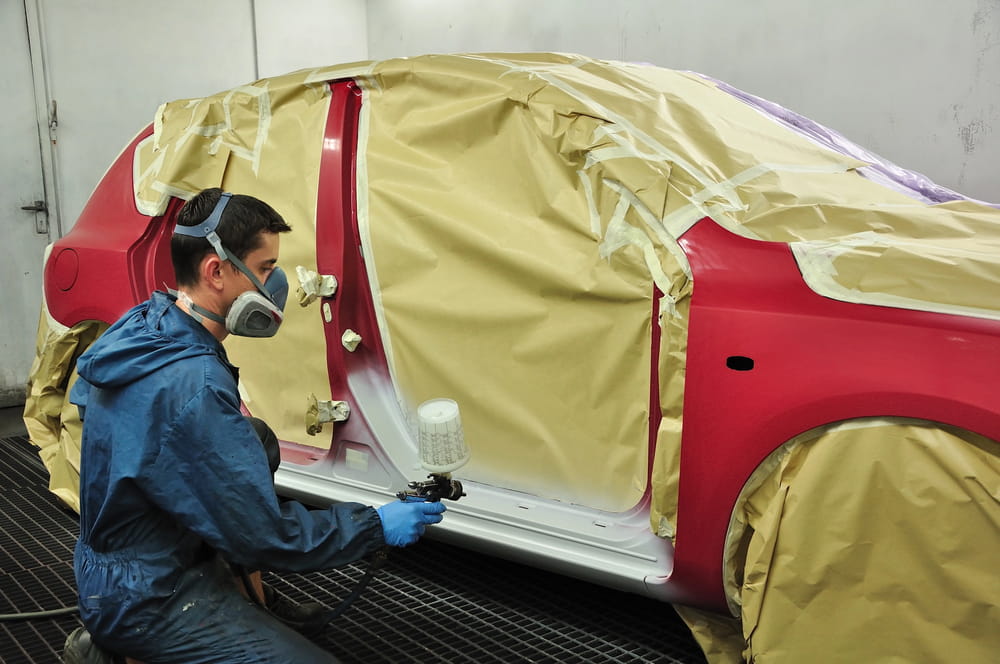
The Hidden Truth About the Collision Repair Industry and Why a Shiny Paint Job Doesn't Always Mean a Properly Repaired Car
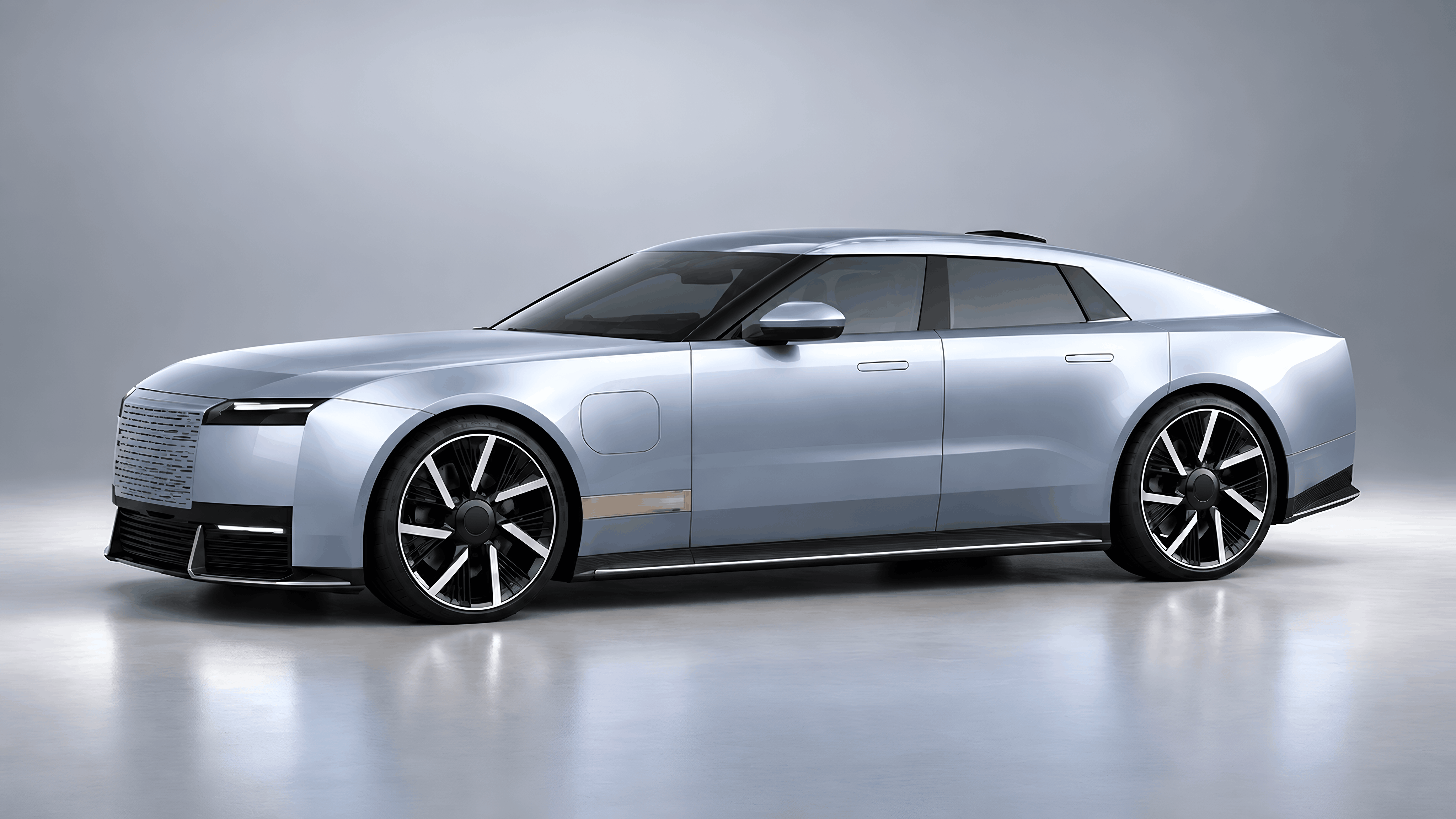
Is The New Jaguar Type 01 the Future of Electric Cars?

What Is a Pink Slip and Why Is It So Important?
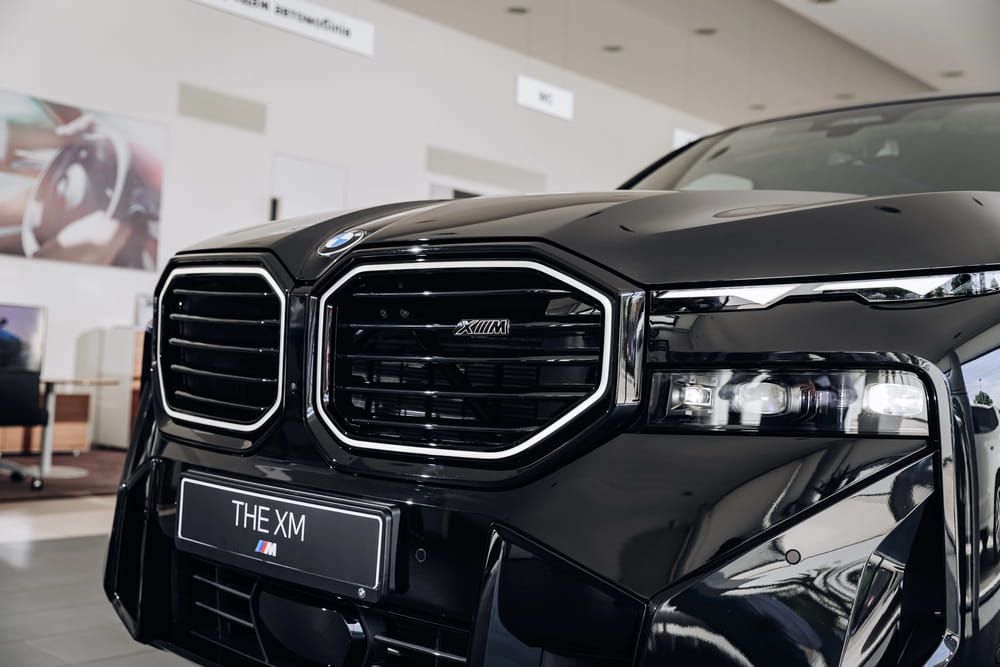
How Your BMW VIN Can Reveal More About the Vehicle
Is California Killing Off Car Enthusiasts?