Are pickup truck sales plummeting?
Valerie Raskovic
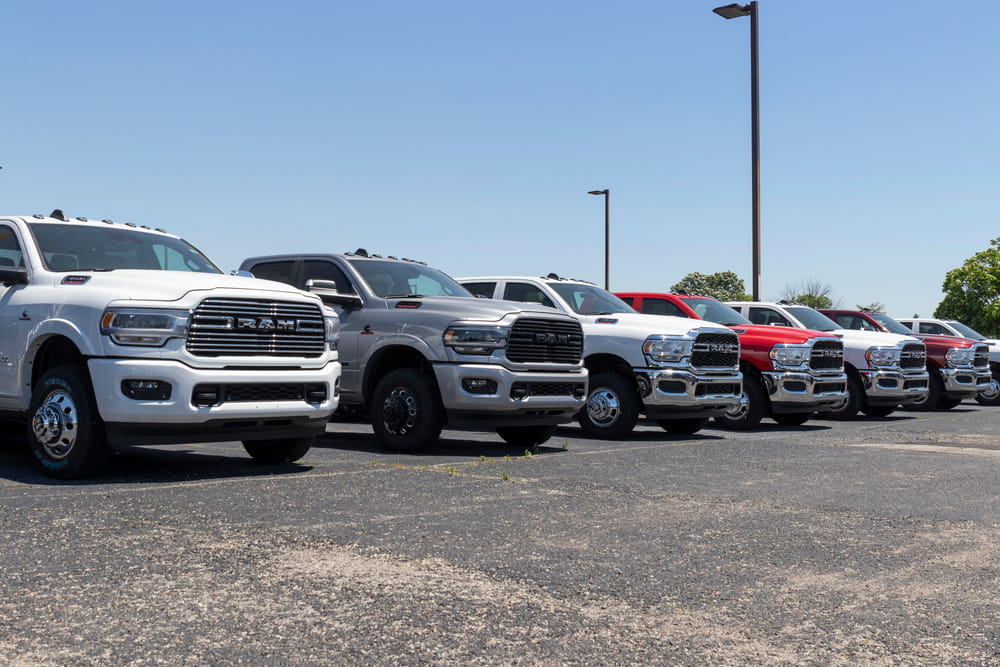
For decades, pickup trucks have been among the best-selling vehicles in America. In fact, models like the Ford F-150 often rank as the most sold vehicle in America. Models like the F-150, Chevrolet Silverado and Dodge Ram 1500 have consistently dominated sales charts and came out on top in sales not just amongst other truck competitors but amongst regular passenger vehicles. Apparently, these trucks appeal to everyone from construction workers, day laborers and farmers to regular consumers that have nothing to do with the building trade.
While pickup trucks have a widespread appeal, recent market trends suggest that sales of larger pickup trucks are beginning to slow, raising questions about what this shift means for both automakers and consumers.
Several factors are contributing to the decline in pickup truck sales.
- Above average selling price
With an average price of a pickup truck currently hovering over $60,000 one of the biggest concerns is affordability. The issue is that the average price of a new full-size pickup has climbed dramatically over the past few years. Coupled with higher current interest rates buying a pickup truck may be harder to justify for those buyers who do not intend to use it for work. At the same time, inflation has placed additional pressure on household budgets, causing many consumers to postpone large vehicle purchases or explore more affordable alternatives.
Delinquency rates for auto loans have climbed rapidly in the past couple of years. In fact, the most repossessed vehicle in the entire country happens to be a pickup truck. The Ford F-150 leads the charts mainly due to being amongst the most popular cars sold, along with the fact that pricing for an average Ford F-150 is considerably higher than an average car price with higher total loan values leading to frequent defaults on loan payments.
- Increased fuel prices
With fuel costs remaining high, many consumers are thinking twice about purchasing a pickup truck. Since trucks generally require more fuel than a sedan to cover the same distance, they can be significantly more expensive to operate, especially for those of us that use our vehicles for daily commuting. For drivers who rarely use the truck bed for work or hauling, a more fuel-efficient vehicle may offer better value and lower day-to-day costs. More and more traditional pickup truck buyers are turning to more fuel-efficient SUV’s and hybrids. While pickup trucks remain popular for towing, hauling and work-related tasks, many consumers are reconsidering whether they truly need a full-size truck.
- Changing consumer preferences
As concerns related to the environmental impact of larger vehicles such as pickup trucks continue to grow, some buyers are turning to smaller SUVs, crossovers and hybrid vehicles that have a smaller impact on the planet. They also have the added benefit of lower ownership costs. Additionally, remote work has reduced commuting needs for some households, decreasing the demand for large vehicles that may no longer be necessary for daily use.
- Size and weight restrictions
Trucks of today are nothing like the trucks that most of us grew up with. Most common full-size pickup trucks have 4 doors, are almost 80 inches in height and weight over 5,000 pounds. As pickup trucks grow larger and heavier with each new generation, questions are being raised about their safety, practicality, and overall impact on the road. Modern full-size trucks can weigh over 6,000 pounds, making them significantly heavier than most passenger vehicles on the road. While this added size can provide benefits such as increased cargo space, it also changes how these vehicles interact with other vehicles in a collision.
Vehicle weight plays an important role in crash dynamics. A vehicle traveling at highway speeds essentially becomes a moving projectile. In an accident involving a 6,000-pound truck and a 3,000-pound sedan, the forces experienced by each vehicle can be very different. The weight of the vehicle can literally mean the difference between life and death. As a result, some safety experts have expressed concerns about the growing size and weight of pickup trucks and how they may affect overall road safety, especially in collisions involving smaller vehicles, pedestrians, and cyclists.
Benefits of declining truck sales
For consumers, declining pickup truck sales have some obvious benefits. As prices and availability are often driven by the supply and demand model, when demand softens, dealerships often become more willing to negotiate prices and offer incentives to attract buyers. Manufacturers may increase rebates, low-interest financing programs or lease deals to move inventory. Additionally, the consumer may have more options to choose from, some of which may have been outside their price range just a couple of years back.
The used truck market may also be affected by this decline. If new truck sales continue to decline and inventories increase, used truck values may begin to stabilize or even fall. This would benefit consumers looking for a reliable work truck without paying premium prices. However, current truck owners may see lower resale and trade-in values compared to the unusually strong resale market that existed during the supply-chain disruptions a couple of years back.
Need driven innovation
While a decrease in truck sales is just a single part of the US economy, it is certainly another indicator of the market decline. While everyone enjoys paying less, the broader implications are vast and can affect businesses and people outside the automotive industry. However, if there is one thing we know as Americans, it’s that when things get tough, we start innovating. Automakers are likely to respond quickly by not only adjusting production levels but also by introducing new technologies aimed at attracting buyers.
Many manufacturers have begun releasing fully electric pickup trucks, hybrid powertrains and more affordable trim levels. As manufacturers compete for a shrinking pool of truck buyers, they will continue to think of new ways to attack sales. Companies may focus on offering features that improve fuel economy, reduce operating costs, and provide better overall value.
The takeaway
While pickup trucks are unlikely to disappear from American roads anytime soon, the recent slowdown in sales highlights a changing automotive landscape. For consumers, this shift may ultimately create more choices, better pricing opportunities, and greater competition among manufacturers. Buyers who have been waiting on the sidelines may soon find themselves in a stronger position to negotiate and secure a truck that better fits both their needs and their budget.
Read more articles
Post a comment
Popular Articles