Did you know that a car’s color can have an effect on long term ownership cost?
Valerie Raskovic
When buying a new car most people pick a color based on personal preference and do not factor in the long-term cost of their personal choice. While the color of a car can reflect the owner’s style and personality, it can also have a real financial impact down the road. From long-term wear to repair costs, certain paint finishes can end up costing more than expected.
Dark Colors and Long-Term Wear
While dark colors like black and dark blue, along with other deep colors, are popular, they come with their own hidden downsides. These downsides are usually undetectable for the first few years of ownership; however, if you plan to keep your car for the long run there are a few things you should keep in mind when choosing a dark-colored car.
Dark-colored vehicles absorb more heat from the sun. Even if you do not live in Florida, California, Arizona or any of the other states known for their warmer summer climates, parking a dark colored car in the sun for a prolonged amount of time can lead to the following:
- Damage to protective clear coat leading to cracking, peeling and fading.
- Faster deterioration of window seals resulting in dry rotting and oxidation.
- Faster deterioration of plastic trim resulting in discoloration and warping.
- Higher cabin temperatures resulting in accelerating damage to plastic interior components, often damaging dashboards and upholstery.
The Hidden Cost of Modern Multi-Stage Paints
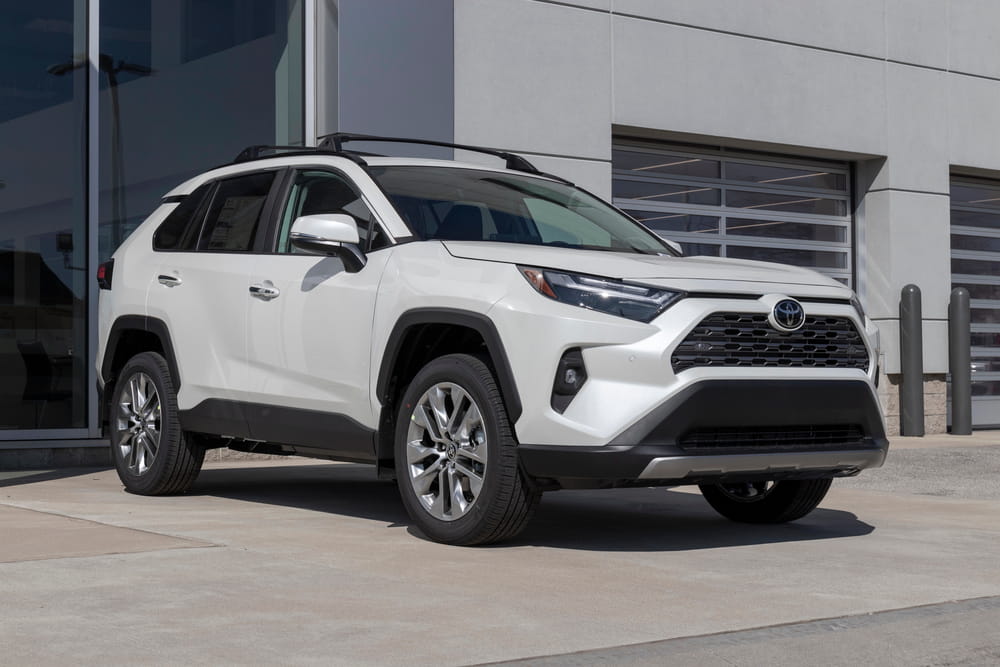
Modern vehicles often come in advanced paint finishes, including pearlescent, metallic, and other multi-stage colors. While these finishes look great on the dealership’s showroom floor, they can become expensive liabilities down the line.
The main issue revolves around four-stage (or multi-stage) paint systems commonly seen in pearl whites, golds, and complex metallics. These cars are not painted with a conventional base coat and clear coat; in fact, the base coat is not the final color of the car at all. Instead, the final color derives from a multi-stage process where the base coat is covered with another coat, which gives the car its final color. The problem with these multi-layered coatings revolves around the fact that they require specialized paint and application techniques requiring precise color blending.
More Expensive Repairs After an Accident
Complex multi-stage finishes make collision repair(s) significantly more complicated. So, if you’re ever involved even in a minor fender-bender requiring panel respray, your repair process gets significantly more complex and time-consuming than a similar vehicle with a standard color.
Body shops will often need to:
- Spend more time sourcing the additives required to mix some of these paint colors in-house.
- Try mixing multiple paint samples before being able to come close to the original color.
- Apply several layers to replicate depth and effect of the solid flakes in the 2nd base coat.
- Since in most cases a direct match may be too time-consuming, most body shops will opt to blend the new paint into the old as an effort to conceal the color difference between the new and old paint across multiple panels.
- Spend more time achieving an acceptable match, increasing billable hours and overall repair cost, not to mention the length your car remains out of service.
The main drawback of using these fancy colors will hit you in your pocketbook and create an additional inconvenience prompting some people to extend their car rental while the car is being repaired. The worst part is a perfect match is never guaranteed. It almost does not matter what body shop is painting the car; some colors are very difficult to match and often can result in repairs with mismatched paint that can stick out like a sore thumb.
Another overlooked issue is paint availability. Some car colors, especially unique or limited-run finishes, may be discontinued by the manufacturer, forcing you to look for an aftermarket alternative, which may cause the final color match to be slightly off. This typically happens when exact formulas may no longer be readily available or are discontinued.
Owners are often forced to accept a close approximation rather than an exact match, which can affect the vehicle’s appearance and resale value.
Resale Value Considerations
Keep in mind that your car’s color has a significant impact on its resale value. Neutral colors like white, silver, and gray tend to appeal to a broader audience, while more unique or bold colors may limit the buyer pool significantly.
However, the issues that affect the resale value at first sight usually have the most impact on the car’s desirability, thus its value on the used car market. When the car has visible signs of prior collision work due to poor paint matches, that alone may push the value down significantly. Darker colors may have visible premature fading and sun-related damage.
Additionally, darker and complex colors tend to be harder to maintain, so they are more likely to have imperfections impacting how much a buyer is willing to pay.
The takeaway
The most important thing to remember is that choosing a car’s color isn’t just about aesthetics; it’s also a long-term financial decision. While premium finishes and bold colors can look impressive when new, they often come with added costs in maintenance, repairs, and potential resale challenges. Before picking that eye-catching color, consider not just
Read more articles