Are car companies making it harder for you to diagnose and repair your own car?
Valerie Raskovic
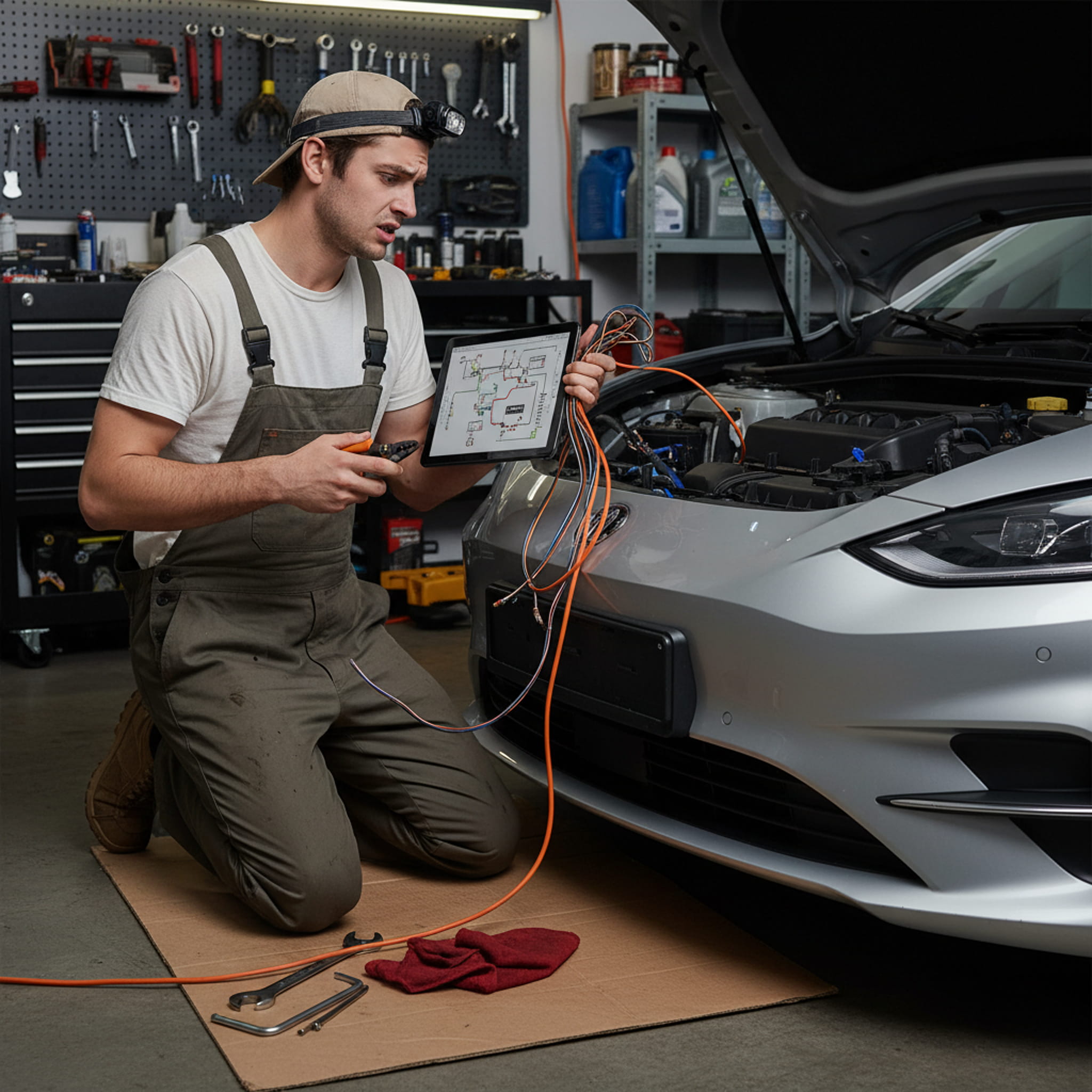
For as long as cars have been around, many car owners have been able to diagnose and repair their vehicles using basic tools, repair manuals and affordable scan tools. But modern vehicles are introducing new systems and purpose-built features, making these vehicles increasingly difficult to work on at home and many consumers believe this is no accident.
As cars become more computerized, manufacturers are introducing new restrictions that can limit access to diagnostics and repairs, raising concerns about the future of DIY automotive work and the broader “Right to Repair” movement.
Using electronics as a barrier to easily diagnose and repair
Modern cars are essentially rolling computers that require updates, connectivity, and permissions. In fact, modern vehicles contain dozens of interconnected computers and sensors controlling everything from engine performance to lighting and safety features.
While most of these technologies primary aim is to improve convenience and efficiency, they also make repairs far more dependent on proprietary software and electronic access. One of the biggest obstacles facing DIY mechanics today is the growing use of secure gateway modules.
A lot of these systems are marketed as anti-hacking security measures. However, their primary role is to act as digital gatekeepers between the vehicle and diagnostic tools. While many will argue that diagnostic tools like OBD 2 scanners have been known to be used by criminals to manipulate vehicle data for illegitimate purposes, the truth of the matter is that the corporate interest pushing this narrative is highly biased. Let’s put it this way, is it right to ban all hammers just because one was used by a deranged criminal to assault someone? Sadly, a lot of vehicle manufacturers have taken steps in that direction by:
- Restricting access to vehicle control modules
- Blocking advanced diagnostic functions
- Requiring authentication or paid subscriptions
Auto manufacturers have a special relationship with the dealerships and the authorized service network and it is not in their best interest to have consumers go outside that network for things like vehicle maintenance and repairs. It can be argued that this is the primary reason why they are limiting access to only authorized repair facilities within their network.
Even if you own and use professional-grade scan tools, in many cases they may only provide limited information and may be restricted from running various testing procedures due to car’s built-in software restrictions.
Security or Repair Restriction?
Manufacturers often justify these systems as cybersecurity measures designed to prevent hacking and unauthorized access. While we can all agree that security is important, some may also argue that some of these restrictions go far beyond protecting the vehicle from criminals.
Many owners and independent repair shops believe the systems are increasingly being used to:
- Push repairs toward dealerships.
- Limit independent repair options.
- Restrict consumer access to vehicle data.
Functions That Now Require Manufacturer Permission
While not all modern vehicles are enamored with excessive software roadblocks, there are some new cars that have made it very difficult to do basic things like replacing faulty modules, programming new key fobs, calibrating sensors, and even basic things like replacing car batteries. Tasks that were once relatively straightforward may now require online authorization keys, subscription-based access and factory software.
Even after physically replacing a faulty electrical component(s), owners may still need manufacturer access or permission to allow for that electrical component to communicate with the system in order to complete the repair process.
Subscription-Based Diagnostics
Another growing concern is the rise of subscription-based diagnostic access. It seems like everything is becoming a subscription-based service now. It almost feels like a lot of manufacturers have uncovered a cheat code to generate new revenue from thin air. The most appalling ones involve subscription-based services for features that the car already comes equipped with, like heated seats. There are even talks of making disabling or manipulating the gatekeeping electronics preventing you from accessing your car’s full potential unlawful.
While it is uncertain at which point as a society, we become so complacent to allow this to become our reality what we can see the god awfully trend of subscription-based access for something that was previously free or required a one-time payment is on the rise.
Some automakers are now requiring a variety of different monthly or yearly software subscriptions. If you think you can bypass these roadblocks, think again. Most of the systems require cloud-based authentication and special paid access tokens.
This can make new car ownership and even occasional DIY repairs very time-consuming, expensive and impractical for everyday car owners. We suspect this is not a bug but the actual feature. For many car owners, this represents a major shift away from the traditional idea that owning a car also means having the freedom to maintain it yourself.
Independent Shops Are Also Feeling the Pressure
These changes don’t just affect hobbyists and home mechanics. Independent repair shops are also struggling with the same barriers. Things such as software costs, limited access to factory data and expensive licensing requirements put a lot of extra strain on independent repair shops.
Increasing complexity means more dependency, and while it is good for the authorized dealers and manufacturers, bottom line it can affect the consumer by limiting repair choices, driving up repair costs and increasing repair wait times at the dealerships.
To add insult to injury, a lot of these modern vehicles are increasingly relying on interconnected systems for software updates and bug fixes, where even simple repairs may trigger warning lights, calibration requirements and electronic relearn procedures. This growing complexity creates more dependency on manufacturer-controlled tools and services.
The Right to Repair Debate
These issues have fueled the growing “Right to Repair” movement, giving birth to individual state-based right to repair laws. The federal REPAIR Act requires that auto manufacturers allow owners and independent repair shops access to the same diagnostic tools and repair information as provided to their dealer network. As many red-blooded Americans will rightfully argue, protecting consumer’s right to repair their own vehicle is a fundamental American freedom and should be protected. However, big companies are constantly testing the legal thresholds and right-to-repair advocates are working to take on the big corporations like John Deere, Tesla and General Motors.
Multiple lawsuits have been filed against these massive companies, claiming that they have actively restricted access to diagnostic tools, parts and information to their dealer network, which is in clear violation of both federal and state right to repair laws.
As most automotive hobbyists and owners can agree, we should not be locked out of diagnosing and repairing the vehicle ourselves. We should always have the right to choose who is working on our cars.
The Takeaway
Modern automotive technology has brought many benefits, but it has also introduced new barriers for DIYers and independent repair facilities. While gateway modules, software locks, and subscription-based access are marketed as security features, they are often nothing more than a way to force consumers to take their vehicle to the dealership for service and repair.
As the vehicle becomes more software focused, it will continue to change the relationship between consumers and their vehicles. This is why the battle over who has access to electronic controls and repairs will become just as important as the mechanical repairs themselves.
Read more articles