How Next-Generation Batteries Will Transform Electric Vehicles
Valerie Raskovic
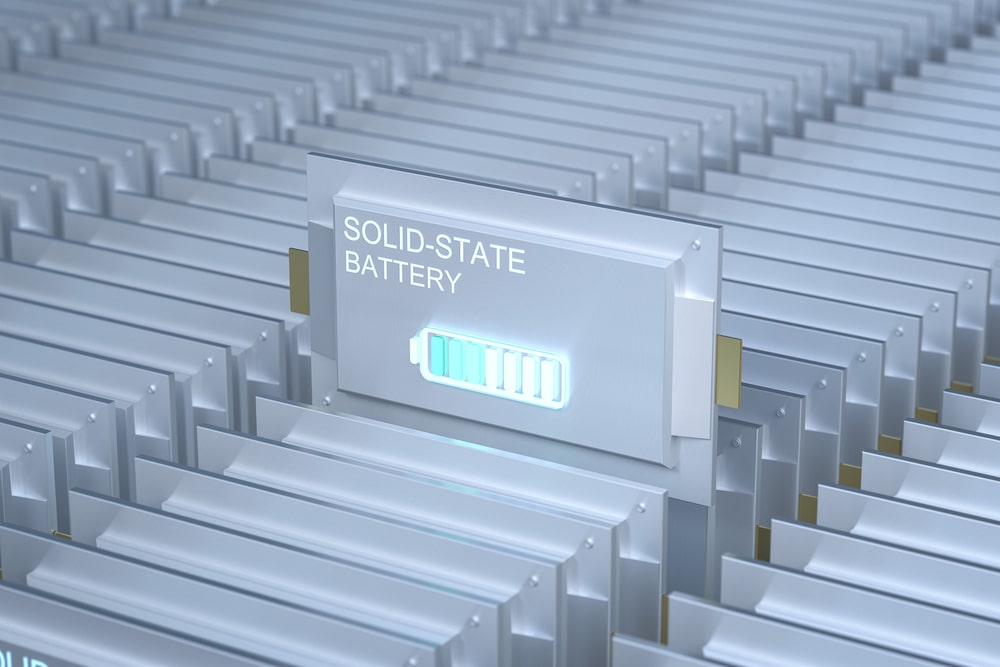
After decades of incremental improvements, the world settled on lithium-ion technology and it became an industry standard for electric vehicles. However, the industry is changing; with a demand for faster charging and more stable electrical storage, the industry is being forced to innovate, starting a new battery revolution that could fundamentally reshape transportation as we know it. Solid-state batteries were once relegated to the realm of fiction and scientific journals but are finally approaching commercial reality. Solid-state batteries promise to solve many of the critical lithium-ion battery limitations that have held back EV adoption. As we enter 2026, this technology is poised to deliver nothing less than a quantum leap in electric vehicle performance, safety and accessibility.
How are Solid-State Batteries Different?
Traditional lithium-ion batteries, which power virtually every electric vehicle on the road today, use liquid electrolytes to shuttle lithium ions between positive and negative electrodes during charging and discharging. This liquid electrolyte is the source of many limitations. Among the biggest issues has to do with the fact that it is very flammable, has a limited energy density and as it degrades, it can short-circuit cells, leading to catastrophic failures.
Solid-state batteries replace this liquid electrolyte with a solid electrolyte material, typically a ceramic, glass or polymer-based compound. This seemingly simple change unlocks a cascade of advantages that could make current EV batteries obsolete.
The Game-Changing Advantages of Solid-State Batteries
1. Dramatically Higher Energy Density
Solid-state batteries promise energy density improvements of upwards of 100% compared to current lithium-ion technology. This means an electric vehicle that currently achieves 300 miles of range could potentially travel 600 miles on the same size battery pack.
2. Lightning-Fast Charging Capabilities
One of the top reasons many consumers refuse to switch from a traditional internal combustion or hybrid drive vehicle can be attributed to EV’s prolonged charging time, making a fully electric vehicle an impractical option for many consumers. A solid-state battery can drastically cut down charging times to as little as 10-15 minutes for an 80% charge. Not only does this address one of the most popular EV adoption roadblocks but it can also help alleviate range anxiety during long trips.
3. Enhanced Safety
The solid electrolyte eliminates many of the safety concerns associated with lithium-ion batteries, especially during fast charging and operation in high or low-temperature environments. Solid electrolytes are non-flammable and can eliminate the thermal runaway reactions that have caused many EV fires. This inherent safety could dramatically reduce the need for advanced cooling systems and complex battery management systems.
4. Longer Lifespan
Early research suggests solid-state batteries could maintain 80% of their capacity after 5,000+ charge cycles, compared to 1,000-2,000 for current lithium-ion batteries. This could mean EVs that last for millions of miles, fundamentally changing the economics of vehicle ownership.
5. Reduced Weight and Size
The higher energy density means manufacturers can achieve the same range with smaller, lighter battery packs. Since lighter vehicles require less energy to move, it is possible to further extend the maximum range.
The Race to Commercialization: Major Players and Timelines
The solid-state battery race has attracted significant investment and attention from major automotive and battery manufacturers:
Toyota, long considered the leader in this space, has been developing solid-state technology since 2010. While initially promising commercialization by 2025, the company has recently pushed its timeline to 2027 for mass production, citing the need for further development of durable cathode materials. Toyota has been working closely with Sumitomo Metal Mining to develop the specialized materials required for commercial-scale production.
Another big player is QuantumScape, a Silicon Valley startup backed by Volkswagen and Bill Gates, which has demonstrated impressive performance in laboratory settings. The company uses a proprietary ceramic separator and has shown batteries that can charge to 80% capacity in under 15 minutes while maintaining a long cycle life. Quantum Scape is targeting mass production by 2026. However, based on some online gossip, due to some supply hurdles, the date may be pushed back to address those manufacturing challenges.
Mercedes-Benz has become a big player in the EV space by partnering up with Factorial Energy to develop solid-state batteries to be used in lightweight vehicles. The German auto manufacturer is predicting the release date to be anytime between 2028 and 2030.
Chinese manufacturers aren't sitting idle either. There are multiple big Chinese players in the EV space, and they are working hard to be the first to bring a full solid-state battery vehicle to the market. GAC has declared breakthroughs in all-solid-state battery development, while CATL and BYD have significant research programs targeting commercialization in the late 2020s.
Why It's Taking So Long
Despite the clear advantages, solid-state batteries have faced significant manufacturing challenges that have delayed commercialization. The primary obstacles include:
Material Stability: Many solid electrolytes are chemically unstable when in contact with lithium metal, leading to degradation over time. Researchers have spent years developing materials that can maintain conductivity while resisting chemical reactions.
Manufacturing Scalability: Current solid-state batteries require specialized manufacturing processes that are difficult to scale.
Cost: Early solid-state batteries are expected to cost 2-3 times more than current lithium-ion batteries. However, economies of scale should eventually bring costs down to current levels.
Mechanical Challenge: The solid electrolyte must maintain contact with the electrodes while accommodating expansion and contraction during charging cycles. This mechanical challenge has proven more difficult to solve than initially anticipated.
Disruption Timeline and Impact
Industry analysts suggest that solid-state batteries will follow a typical technology adoption curve.
The implications of solid-state battery technology extend far beyond just improving electric vehicles. It can have a huge impact on the electrical grid storage, consumer electronics, aviation, medical tech and more…
We are in for a Transformative Decade
As we stand at the threshold of the solid-state battery era, it's clear that this technology represents more than just an incremental improvement; it's a paradigm shift that could accelerate the transition to electric mobility by addressing the fundamental limitations that have held back EV adoption.
The next five years will be critical. If manufacturers can successfully navigate the remaining technical and manufacturing challenges, solid-state batteries could trigger a transformation comparable to the transition from internal combustion engines to electric motors. This will have a huge impact on consumers. It is very possible that the electric vehicles of 2030 may bear little resemblance to today's offerings. The range anxiety, charging time concerns, and safety worries that currently limit EV adoption could become distant memories, replaced by vehicles that are more reliable, safer, more convenient and ultimately more desirable than anything that has come before them.
Read more articles
Post a comment
Popular Articles

The Hidden Truth About the Collision Repair Industry and Why a Shiny Paint Job Doesn't Always Mean a Properly Repaired Car
Is The New Jaguar Type 01 the Future of Electric Cars?

What Is a Pink Slip and Why Is It So Important?
How Your BMW VIN Can Reveal More About the Vehicle

Is California Killing Off Car Enthusiasts?