How to Properly Charge a Dead Car Battery
Valerie Raskovic
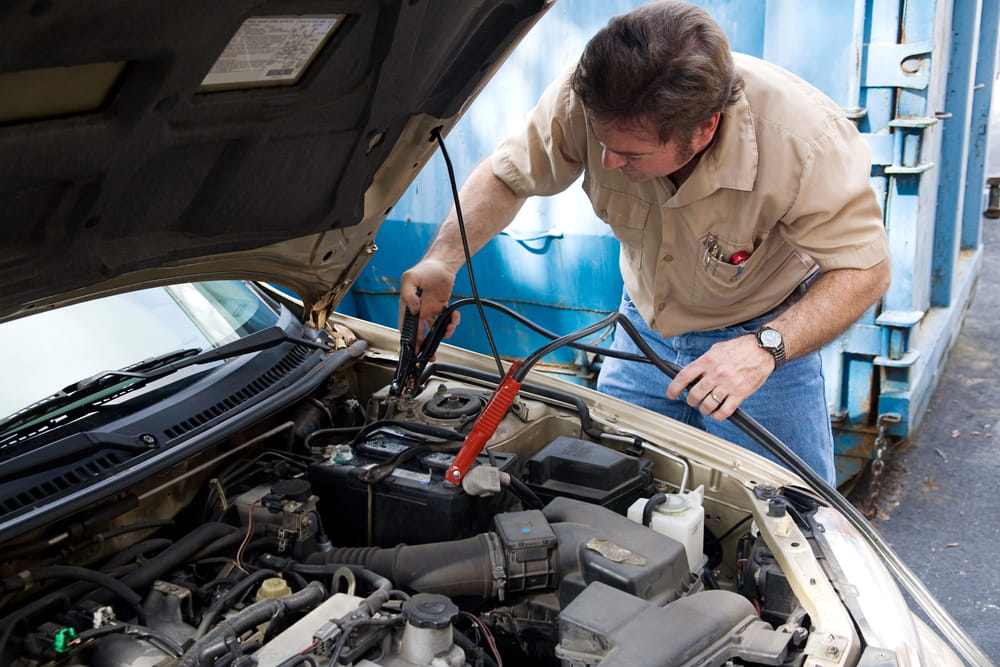
Most of us have had the unfortunate experience of hopping into a car with the expectation of driving to work or some event when the car simply does not start. We have heard that strange clicking sound as the starter attempts to crank over the engine with no success and the inevitable dimming lights on the gauge cluster from the battery running completely flat. A dead car battery can leave you stranded at the worst possible time and in some cases, far away from your intended destination. Whether your battery drained due to leaving the lights on or when the vehicle hasn’t been driven in a while, it is possible to safely recharge it. Fortunately, charging a car battery is not reserved for automotive professionals; practically anyone can do it by following these straightforward steps.
Required Tools:
While the process of breathing life back into your car’s electrical system is not instant, it can be done with easily accessible tools.
- A battery charger (automatic chargers are recommended)
- Jumper cables - If you do not have access to a car battery charger, not to worry, you can get away with some jumper cables along with another vehicle with a fully charged battery.
- Safety gloves and eye protection
- Owner’s manual (for battery location and specifications)
Step 1: Prepare the Vehicle
Turn the vehicle off completely and remove the keys from the ignition. With some modern vehicles it may be required to close all the doors and move the proximity key away from the vehicle. Make sure the car is parked on a flat surface in a well-ventilated area. Check the vehicle’s owner’s manual to locate the charging points. Keep in mind some vehicles may require charging from auxiliary charging points, while others will require charging directly from the battery. Keep in mind different makes and models will has the battery in different places; while most vehicles will have the battery under the hood, some vehicles have the battery located in the trunk or even the seats. Be sure to reference the battery charging points in the vehicle’s owner’s manual to understand if direct access to the battery is required for charging. Keep in mind some European and even American branded vehicles require that the battery be charged through designated charging ports commonly found under the hood.
Step 2: Inspect the Battery
Before charging, inspect the battery for visible damage. This is especially important if you attempt to charge the battery through auxiliary charging ports, as attempting to charge a damaged car battery may cause damage to the vehicle’s electrical systems and can even start a fire. If you notice cracks, leaking fluid, heavy corrosion, bloating /misshaped casing or a strong sulfur (rotten egg) smell, do not attempt to charge it. A damaged battery should be professionally replaced, especially in newer cars that rely on the battery to provide electrical power to systems even when the vehicle is turned off.
Step 3: Connecting the Power Source/Charger
If you are charging the vehicle by using a car battery charger, make sure the charger is unplugged. If you are using a second vehicle with jumper cables, be sure to keep both of your negative and positive lead ends apart and not connected to the second vehicle.
Direct Battery Charging - If you are charging the vehicle by directly connecting to the car battery, then connect the positive (red) clamp to the positive (+) battery terminal. Similarly, connect the negative (black) clamp to the negative (–) battery terminal.
Terminal Connection Battery Charging - If you are charging the vehicle by connecting to the vehicle’s dedicated charge points, then connect the positive (red) clamp to the positive (+) charging point, often marked with a red color and a plus sign. Similarly, connect the negative (black) clamp to the negative terminal point. In some vehicles there is no dedicated negative charging terminal; in those cases, you must connect the negative clamp directly to a vehicle’s frame/structural metal component.
Double-check that the clamps are secure and not touching each other.
Step 4: Set the Charging Source
Using a Battery Charger - If you are using a car battery charger, make sure to select the appropriate settings, including voltage (when available). Keep in mind some modern chargers may not have manual adjustment, as they are designed to detect modern 12-volt car batteries automatically and be able to charge them and shut off on their own with no risk of overcharging.
However, if your charger allows you to adjust the electrical settings, please note:
Set the charger to 12 volts (most modern cars are 12 volts).
If your charger allows you to choose amperage, select:
- 2–10 amps: Slower charge (safer and better for battery health)
- 10+ amps: Faster charge (use only if necessary – elevated overheating and fire risks)
Using a Second Charging Vehicle – If you intend to charge your vehicle using jumper cables and another vehicle, simply follow the same steps as in step 3 to locate the charging points on the second vehicle and connect them in the same sequence. Be sure to connect the positive jumper cable wire to the positive charge point on the second vehicle and the negative cable to the proper negative charging point on the second vehicle.
NEVER allow the negative and positive jumper cable wire ends/clamps to touch, as it can create a short circuit that can effectively destroy electrical systems and cause thousands of dollars’ worth of damage.
Step 5: Begin Charging
Charging using a battery charger - When using a car battery charger, be sure to turn on the charger. Some car battery chargers use internal lithium-ion batteries while others will need to be plugged into a power outlet before they can be turned on.
If you are not sure of the vehicle battery condition and if it is even capable of taking a charge, some battery chargers may offer a feature that will allow you to test the vehicle’s car battery. This simple test program can determine if the car battery can be charged or will need to be replaced.
Charging time depends on the battery’s condition and charger settings:
- A slow charge may take 6–12 hours.
- A fast charge may take 1–4 hours.
- It’s generally better to charge slowly to preserve battery life.
Charging using a second vehicle – If you intend to jump-start the vehicle with the dead battery, it is important to turn on the second electrical donor vehicle and allow it to idle for a few minutes before attempting to start the vehicle with the dead battery.
Once you are able to start your vehicle, do not disconnect it from the second vehicle right away; allow it to remain connected for 5 minutes before disconnecting the battery from the donor vehicle.
Keep in mind if you turn your vehicle off immediately after jump starting it, it may not turn back on, as the alternator will need some time to generate enough electricity and charge the battery. The best thing to do is go for a little ride or keep the car running for at least 15 minutes to allow the battery to charge.
Step 6: Disconnect the Charging Source
Disconnecting a battery charger - If you are using a car battery charger Once the battery is fully charged:
- Turn off and unplug the charger. Keep in mind a lot of modern car battery chargers will turn off on their own once they detect the battery is fully charged.
- Remove the negative (black) clamp first.
- Remove the positive (red) clamp second.
- Close the hood and start the vehicle to confirm it runs properly.
Disconnecting jumper cables - If you are using a second vehicle to jump-start your car, be sure to check the battery charge before turning off the car. If the battery does not have ample energy, the vehicle may not restart. By taking the car for a short drive and allowing the alternator to provide peak power, you will help ensure your battery will have enough power to restart. Once you are sure the battery holds enough charge, you can:
- Turn off the second vehicle.
- Turn off your vehicle.
- Unplug the jumper cables from the second vehicle. Be sure to always unplug the ground first and NEVER allow the lead negative and positive wires/clamps to touch while connected to a vehicle.
- Now you can remove the negative (black) clamp from your vehicle’s negative charging post and remove the positive (red) clamp afterwords.
- Close the hood and start the vehicle to confirm it runs properly.
Important Safety Tips
- Never charge a frozen battery.
- Avoid sparks or open flames near the battery.
- Always charge in a well-ventilated area.
- Do not overcharge the battery.
- Test the battery when possible. If the battery does not hold a charge, it likely needs replacement.
Charging may not always fix the problem
When the car battery is degraded over time or has been affected by some outside elements, it may not perform at its peak. Keep in mind most car batteries have a 5-year lifespan, and while they may still work in year 6 there, charging ability and energy density may be reduced and they are more prone to failure. The best way to know the health of your battery is by running a test most often referred to as the load test, which can be done through certain automotive electrical diagnostic equipment and is even offered on some car chargers.
If the vehicle repeatedly needs jump-starts, it is a sign that there are other issues lurking in the background. The cause could be a bad battery or bad alternator or generator. The most prudent thing to do in this case is to have the vehicle properly diagnosed by a professional automotive technician.
If your battery case is swollen or leaking DO NOT attempt to charge it! In those cases, replacement is the safer and more reliable solution.
Conclusion
Knowing how to properly charge a car battery can save time, money and frustration. With the right equipment and precautions, the process can be simple and safe. If you’re ever unsure about your battery’s condition, consider having it tested by a professional to avoid unexpected breakdowns.
Read more articles