Hidden dangers associated with buying counterfeit car parts
Valerie Raskovic
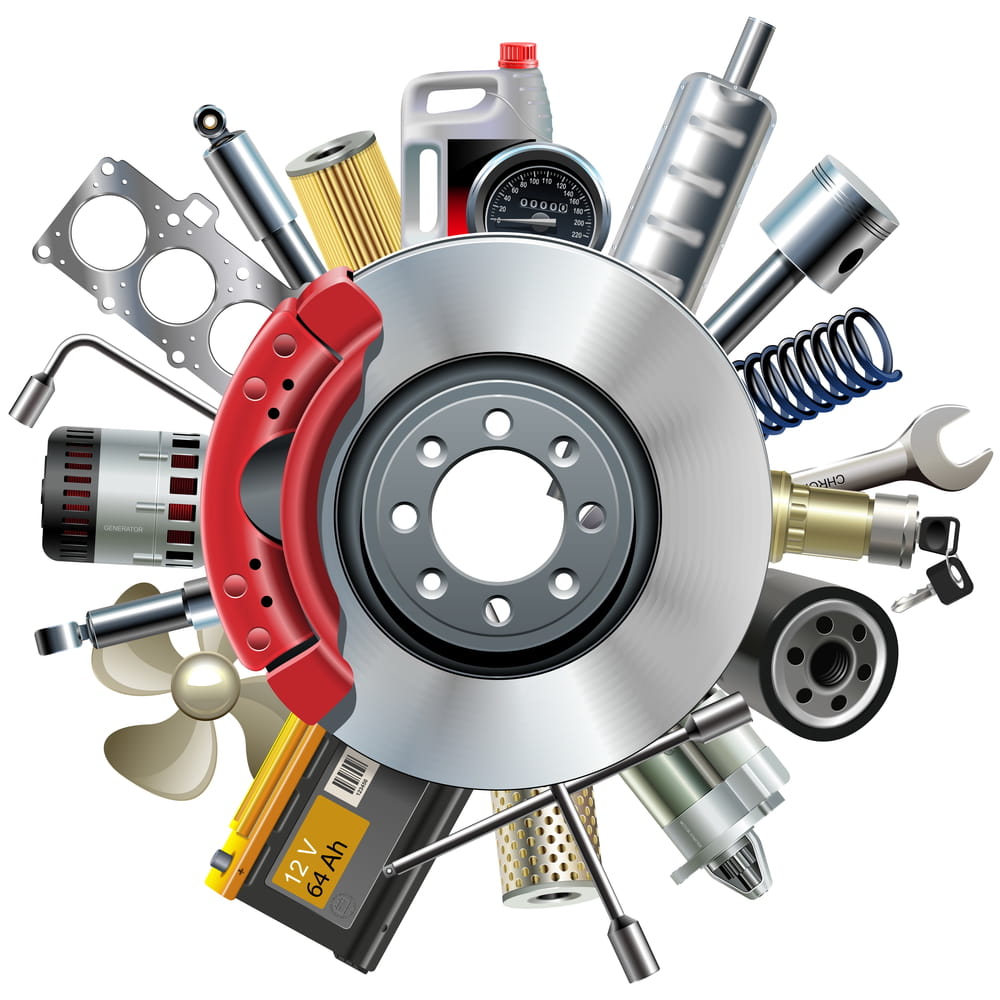
Whether you are a seasoned automotive technician or a weekend do-it-yourselfer, chances are you have been affected by the counterfeit car parts market. Counterfeit automotive parts are a growing global problem, mainly because some of these counterfeit parts appear identical to the real versions. However, the problems lie deep underneath, as counterfeits may look good, but they are often made under more lax factory standards with inferior materials, little to no quality control, no regulatory oversight and in many cases do not meet factory specifications. Installing these fake parts on your vehicle can cause damage to your vehicle and even pose serious safety risks to drivers, passengers and everyone on the road. While fake handbags and electronics may cost consumers money, fake car parts can cost lives.
Most consumers who buy counterfeit car parts do it without knowing that they are not genuine. Consumers are often enticed by considerable discounts and not wanting to pass up on a good value, they often buy parts that are simply not up for the job.
The counterfeit car parts are a multi-billion-dollar industry
Organizations like the U.S. Department of Homeland Security and U.S. Customs and Border Protection regularly seize counterfeit automotive components entering the United States. Globally, the Organization for Economic Co-operation and Development (OECD) has estimated that counterfeit goods represent hundreds of billions of dollars in annual trade and automotive parts make up a significant category within that market.
Most Commonly Counterfeited Auto Parts Include:
- Brake pads and rotors
- Oil and fuel filters
- Suspension components
- Spark plugs
- Airbags
- Seatbelts
- Windshields
- Electronic control modules
Because these parts are designed to meet strict standards, counterfeit versions can have a much shorter life expectancy and fail catastrophically.
Safety Risks
While not all counterfeits present safety risks, the alarming part is that the most popular counterfeit parts all have a great influence over vehicle operation and safety. Here are some of the most common safety risks associated with installing these fake components in your vehicles:
1. Brake Failure
Counterfeit brake pads have been found to contain compressed grass, wood shavings, and other substandard fillers. This can dramatically increase stopping distances or lead to complete brake failure.
2. Airbag Malfunction
Fake airbags may fail to deploy or worse, explode improperly due to unstable propellants sending shards of metal and propellant into the occupants. In a car crash, this can mean the difference between minor injuries and fatalities.
3. Engine Damage
Low-quality oil filters and fuel system components have been known to cause internal engine contamination, leading to expensive mechanical failures.
4. Electrical Fires
Counterfeit sensors and electronic modules may not meet the OEM (Original Equipment Manufacturer) heat or voltage tolerances, increasing fire risk.
The black-market auto parts industry is growing!
Online marketplaces and third-party sellers have made it easier for counterfeit part sellers to reach consumers. Fraudulent packaging can closely mimic legitimate brands, making it difficult for buyers and even repair shops to detect fakes. Additionally, supply chain disruptions and rising vehicle repair costs have pushed some consumers toward cheaper alternatives, creating opportunities for counterfeiters to further grow their reach.
The Legal and Financial Consequences of Using Fake Parts
While safety remains amongst the top concerns, it is one of many, as using non – OEM parts can affect various parts of vehicle ownership. It can:
- Void manufacturer warranties
- Fail state safety inspections
- Lead to insurance claim denials
- Reduce vehicle resale value
- Repair shops that unknowingly install fake parts may also face liability exposure.
Simple ways you can protect yourself
While it is practically impossible to guarantee that you will never be deceived into buying a fake auto part, there are some precautions you can take that can greatly reduce your chances of falling victim to this despicable industry.
- Always purchase parts from authorized dealers or reputable retailers.
- Be cautious of prices that seem “too good to be true.”
- Verify packaging details and serial numbers when possible.
- Ask repair shops about their part sourcing practices.
- Consider professional vehicle inspections when buying used vehicles, as inspectors may identify non-OEM or questionable components.
The Bottom Line
Counterfeit automotive parts are not just a consumer fraud issue; they pose a risk to consumer safety. With today’s modern vehicles, each component is part of a complex system working together to accomplish a variety of critical functions. When even one part is compromised, the entire system can fail and create damage to the vehicle, prompting costly repairs and safety risks. Spending slightly more on verified, legitimate parts purchased from authorized dealers or resellers is a smart and safe move.
Read more articles