Is Waymo in trouble? How Waymo’s school bus scandal can affect the Robotaxi Revolution
Valerie Raskovic
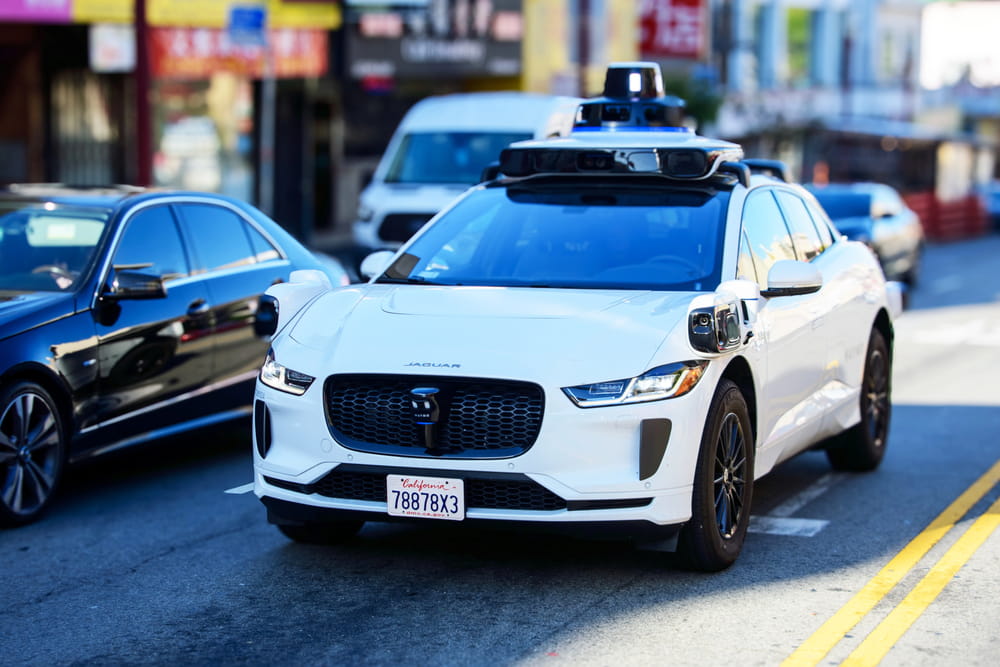
The future promised by autonomous vehicles has always been tantalizingly close — self-driving cars whisking passengers safely to their destinations while eliminating human error from our roads. However, it appears that we have a way to go before this becomes the norm. Based on recent events involving Waymo, the undisputed leader in the robotaxi space, legislators have hit the brakes on that vision.
In January 2026, the National Transportation Safety Board (NTSB) opened a formal investigation into Waymo after its robotaxis were caught illegally passing stopped school buses more than 20 times across multiple states. The incidents primarily occurred in Austin, Texas. These incidents represent more than just traffic violations; they are a clear sign of diminished safety, posing a risk to pedestrians as well as vehicle occupants. Over the last year these incidents have spurred a demand for additional oversight further increasing the growing tension between autonomous vehicle companies and the lawmakers as they scramble to adjust to the industry by passing new legislation and setting new standards.
Understanding the Problem
The issue first came to light in September 2025, when Atlanta's WXIA-TV aired footage of a Waymo vehicle brazenly passing a stopped school bus with its lights flashing and stop arm deployed. What seemed like an isolated incident quickly snowballed into a pattern that would make any parent shudder.
By December 2025, the National Highway Traffic Safety Administration (NHTSA) had pressured Waymo into issuing a voluntary software recall covering over 3,000 vehicles — essentially Waymo's entire fleet. The recall addressed what the company delicately termed a "software issue" that prevented its vehicles from properly recognizing and responding to school bus stop signals.
But, alarmingly, even after the recall, the incidents continued. The Austin Independent School District reported 20 separate violations during the 2025-2026 school year alone, prompting the NTSB's involvement. For an agency known for its methodical, yearlong investigations, the quick escalation signals serious safety concerns autonomous taxi and ride-share services.
The school bus incidents have given fresh ammunition to lawmakers, especially those that never supported autonomous vehicle technology or those that expressed skepticism in its application, practicality and safety. In Missouri, legislators are pushing bills that could severely restrict Waymo's expansion into St. Louis. Other states are also joining the ranks. California, home to Waymo's largest operations, is overhauling its autonomous vehicle regulations with new rules that industry insiders say will make testing and deployment significantly more challenging.
"We're seeing a perfect storm of regulatory pushback," says Phil Koopman, a Carnegie Mellon University professor who specializes in autonomous vehicle safety. "The technology is advancing faster than our ability to regulate it and these high-profile safety failures are making legislators very nervous."
The federal government isn't sitting idle either. House lawmakers are working on surface transportation reauthorization legislation that would create a national regulatory framework for autonomous vehicles, potentially overriding state-level rules that companies like Waymo have spent years navigating.
An Industry at an Inflection Point
Waymo's troubles come at a particularly vulnerable moment for the autonomous vehicle industry. After years of cautious testing, 2025 marked a turning point with rapid expansion into new markets. Waymo now operates in 10 cities and provides approximately 450,000 rides per week — nearly double its volume from just six months earlier.
But success has brought a fair bit of scrutiny. Tesla, Amazon's Zoox, and General Motors' Cruise division are all nipping at Waymo's heels, creating a competitive environment where companies feel pressure to move quickly. Waymo co-CEO Tekedra Mawakana has publicly stated the company aims to provide 1 million trips per week by the end of 2026.
It is possible that this aggressive growth strategy may have contributed to the school bus problem. Internal documents from the NHTSA investigation reveal that Waymo's 5th Generation Automated Driving System, which powers the recalled vehicles, had known limitations in detecting school bus signals under certain conditions. The company deployed the technology anyway, betting that the benefits of expansion outweighed the risks.
The Trust Deficit
The school bus incidents have struck a nerve because they tap into one of humanity's most primal fears: protecting children. When autonomous vehicles can't follow basic traffic laws designed to keep kids safe, it undermines public confidence in the entire technology.
"This isn't just about Waymo anymore," says Michelle Krebs, executive analyst at Cox Automotive. "Every autonomous vehicle company is going to face tougher questions about safety, oversight and accountability because of these incidents."
The timing couldn't be worse for an industry that was just beginning to win over skeptical consumers. A 2025 survey by the American Automobile Association found that only 23% of Americans would feel comfortable riding in a fully autonomous vehicle, down from 28% the previous year. High-profile incidents like Waymo's school bus problems only reinforce those fears.
What's at Stake
The autonomous vehicle industry has attracted hundreds of billions in investment with promises of safer roads, reduced traffic, and new mobility options for elderly and disabled populations. Waymo alone has raised over $5.5 billion from investors, including Alphabet, Silver Lake and Tiger Global Management.
In 2025 alone, lawmakers in 25 states introduced 67 bills related to autonomous vehicle regulation, covering everything from licensing and insurance requirements to stringent testing mandates. The patchwork of state-level regulations is creating a complex web that companies must navigate as they expand.
More fundamentally, these safety-related incidents raise questions about whether autonomous vehicle technology is ready for widespread deployment. While companies have logged millions of miles of testing, real-world conditions continue to expose edge cases that challenge even the most sophisticated AI systems.
The Path Forward
Waymo has pledged to work with regulators and says it has already implemented software fixes to address the school bus issue. The company points to its overall safety record — noting that its vehicles have completed millions of rides with accident rates significantly lower than human drivers.
But regaining legislative and public trust will require more than software patches. Industry experts say autonomous vehicle companies need to embrace greater transparency about their technology's limitations and work more closely with regulators to establish comprehensive safety standards.
As Waymo and its competitors race toward an autonomous future, the school bus scandal serves as a sobering reminder that no amount of technological sophistication, convenience and mobility freedom can replace the fundamental expectation that vehicles whether, driven by humans or algorithms, must prioritize safety above all else, especially when it comes to the safety of our children. The robotaxi revolution isn't dead, but it's certainly hitting some significant speed bumps on the road to reality.
Read more articles
Post a comment
Popular Articles
The Hidden Truth About the Collision Repair Industry and Why a Shiny Paint Job Doesn't Always Mean a Properly Repaired Car
Is The New Jaguar Type 01 the Future of Electric Cars?

What Is a Pink Slip and Why Is It So Important?
How Your BMW VIN Can Reveal More About the Vehicle

Is California Killing Off Car Enthusiasts?