Is The New Jaguar Type 01 the Future of Electric Cars?
Valerie Raskovic
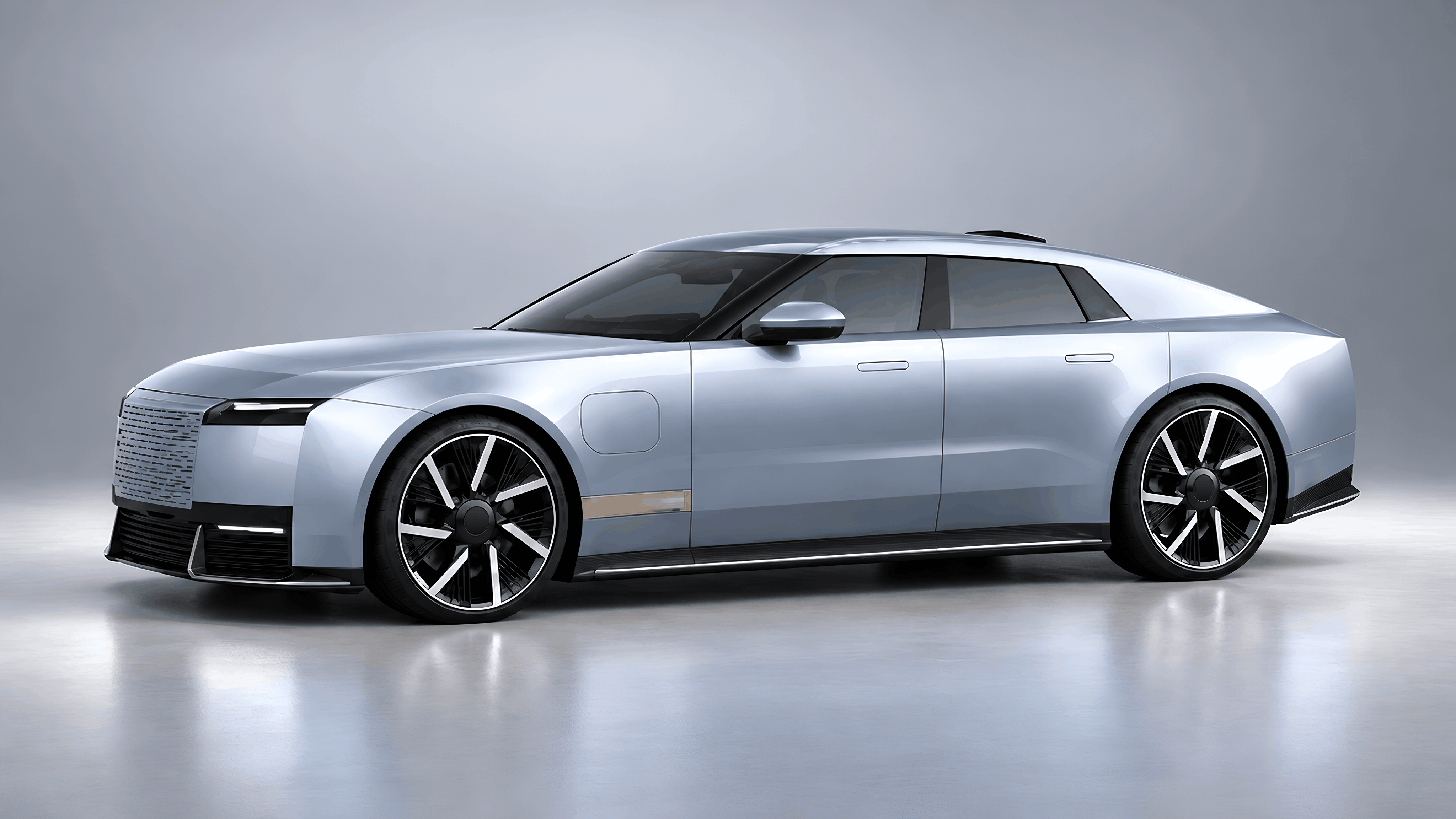
Jaguar has officially unveiled the Type 01, a new luxury all-electric four-door grand touring (GT) car that represents a major turning point for the British automotive brand. After a lot of anticipation, the car was revealed in New York on October 6, 2026. The Jaguar Type 01 personifies the company’s attempt to reimagine the brand. It combines striking design, high-performance electric technology, and premium craftsmanship all packaged in a very unique and angular design. The striking looks may prove to be a bit polarizing; however, the new design language makes the car stand out from the crowd. In addition to its unique appearance, this new model signals Jaguar’s ambition to establish itself as a fully electric luxury carmaker.
The car does come jam-packed with some impressive numbers. With over 1,000 horsepower, an estimated driving range of up to 400 miles, and advanced fast-changing technology, the Type 01 aims to attract customers looking for performance and luxury in an electric vehicle. However, its bold design, premium pricing, and the growing competition in the electric car market raises an important question: Can Jaguar’s latest model redefine the future of the brand and pump some badly needed enthusiasm for the brand?
Jaguar Type 01: A New Chapter for the British Luxury Brand
The Jaguar Type 01 is the first production vehicle built on the company’s dedicated Jaguar Electric Architecture (JEA). This modular platform has been developed specifically for electric vehicles, allowing Jaguar to create new EVs with different proportions, improve driving dynamics, and offer a distinctive luxury experience.
The Type 01 is inspired by and partially based on the Type 00 concept car introduced in 2024, which attracted considerable attention for its unconventional design. With the Type 01, Jaguar is moving from its concept-led rebranding strategy toward a new generation of production vehicles.
While Jaguar is attempting to rebrand itself to find a spot in the emerging luxury EV market, they want to use their established British heritage to leverage themselves as a premium auto maker. In fact, even the name “Type” was chosen to reflect Jaguar’s heritage. As far as the number, the “0” represents zero tailpipe emissions and “1” identifies the first vehicle in its new generation.
Bold Exterior Design and Distinctive Styling
One of the biggest talking points surrounding the Jaguar Type 01 is its dramatic exterior design. Love it or hate it, you cannot argue that it is one of a kind. In the electric vehicle segment long hoods/bonnets are not required, as they are not used to house an internal combustion engine and unlike most other manufacturers that have opted for decreasing hood length in favor of a more cab forward design and better visibility. Jaguar on the other hand is going in a different direction with more unconventional design. The Type 01 follows Jaguar’s new design direction, focusing on individuality and visual presence. The car features a long bonnet, a low roofline, a sleek silhouette and large 23-inch wheels. Its proportions draw inspiration from classic Jaguar models, including the iconic E-Type and the XJS, while introducing a more futuristic appearance.
The vehicle also features an unusual rear design without a traditional rear window. This design choice is slowly becoming a source of some debate and controversy. The back of the car is fully covered with solid panelling, forcing the driver to depend on a camera-based system. This design decision may appeal to buyers who appreciate innovation and style over function; however, it is uncertain if this design choice will be embraced by the regular car buyer.
While the car may appear somewhat angular at first look, Jaguar claims that the car has low aerodynamic drag and has a drag coefficient of 0.23. This is very similar to the very low drag coefficient of a 4th Gen Toyota Prius, which is considerably shorter and features a more swooping design style. These low drag numbers are accomplished from a relatively low roofline and some active aero technology intended to improve airflow and support driving efficiency. The aerodynamic features, include active vanes and a deployable rear spoiler.
Impressive Acceleration
Performance is another major highlight of the Jaguar Type 01. The luxury electric GT uses a three-motor electric powertrain that produces up to 1,030 PS and 1,365 Nm of torque.
According to Jaguar, the vehicle can accelerate from 0 to 62 mph (0 to 100 km/h) in a neck snapping low 3 second range. These figures place it among the high-performance electric cars targeting buyers who want rapid acceleration without sacrificing luxury.
The vehicle also features intelligent torque vectoring technology to distribute power where it is needed. The company has drawn on its experience in Formula E racing to help develop the Type 01’s driving characteristics. Nevertheless, real-world performance and handling will need to be assessed through independent road tests once production vehicles become available.
Driving Range and Fast Charging
Driving range and charging speed have become two of the main reasons why many consumers have refused to join the EV revolution. Many commuters state that they do not want to be restricted by conventional EVs lower driving range and long charging times.
Jaguar is attempting to address those concerns and lessen range anxiety by fitting this vehicle with a very large 118-kWh usable battery and an 850-volt electrical architecture.
Jaguar estimates a driving range of up to 400 miles under the US EPA testing standard. The company also quotes up to 450 miles under the WLTP testing cycle used in Europe. These figures come from different testing methods and should not be compared directly.
As far as charging speed goes, the automaker claims this vehicle can add up to 200 miles of range in approximately 13 minutes when connected to a suitable 350-kW rapid DC charger. However, this EV will not be immune to the factors that affect all EV batteries. Actual charging times and driving range will depend on factors such as battery temperature, charging infrastructure, driving speed, weather conditions, and driving style.
If the stated figures are achieved in real-world use, the Type 01 could appeal to luxury car buyers who regularly travel longer distances. However, independent testing will be essential to understand its performance under everyday driving conditions.
Unique and premium Interior Coupled With Advanced Technology
Inside, the Jaguar Type 01 may appear a bit crammed with its 2 plus 2 seat configuration, it is assumed that space is needed to house its large battery. The brand wants us to focus on the car’s modern premium interior appearance, comfort, and digital technology. The cabin features a large 24-inch OLED display, alongside a separate seven-inch touchscreen for selected vehicle functions. Jaguar has also emphasised premium materials, carefully designed surfaces, and a distinctive central cabin layout. The aim is to create a refined environment that feels different from the interiors of conventional luxury vehicles.
The car’s sound system and technology features are designed to enhance the overall driving experience. The speakers are positioned more towards where the driver and occupants’ heads reside, making music sound more direct and crisp. At the same time, the minimalist dashboard and digital controls reflect the wider shift toward software-led vehicle interiors. Whether these features prove convenient for everyday use will depend on their responsiveness, ease of operation, and integration with the driver's needs.
Jaguar Type 01 Price and Expected Launch Date
Jaguar plans to open orders for the Type 01 in early 2027, with the first customer deliveries expected in the second half of that year. Production is scheduled to begin in 2027 at the company’s Solihull facility in the United Kingdom.
The announced starting price is approximately £130,000 in the UK, while Jaguar has indicated a starting price of $130,500 for the US market. Final prices, specifications, and availability may vary by market.
The premium price tag places the Type 01 in a highly competitive segment of the luxury vehicle market. In the end, the car’s success will depend on whether buyers believe its design, performance, technology, and brand identity justifies the cost.
Can Jaguar Type 01 Compete with Other Luxury Electric Cars?
The luxury EV market is slowly becoming increasingly competitive, with multiple established manufacturers and specialist electric vehicle brands introducing powerful models with premium features and advanced technology.
While the Type 01’s distinctive styling may help it stand out, it may also be polarizing and discourage some car shoppers. Its high price tag means it will compete with established luxury EVs like the Mercedes-Benz EQS, Porsche Taycan, BMW I7, Audi S e-tron GT, Tesla Model S and BMW I5. The price itself can limit its potential customer base, particularly as some electric vehicle buyers become more cautious about spending on expensive cars.
Jaguar’s main challenge will be to distinguish the Type 01 beyond its polarizing looks and impressive performance figures. Buyers in this segment also take under consideration the vehicle’s comfort, build quality, charging convenience, reliability, after-sales support, and long-term ownership costs. Jaguar will need to demonstrate that the Type 01 delivers a compelling combination of luxury, performance, and reliability to win over customers.
The Takeaway
The Jaguar Type 01 represents an ambitious step towards an all-electric future for the British luxury brand. Its powerful three-motor setup, long estimated driving range, rapid-charging capability, and striking design make it one of the notable new luxury EV launches of 2026.
However, the unique looks and impressive specifications alone will not determine its success. Real-world range, charging performance, cabin comfort, reliability, and customer response will play important roles once the vehicle reaches buyers.
The Type 01 may not define the future of every electric car, but it shows how Jaguar intends to approach the next era of luxury motoring.
Read more articles