The Hidden Truth About the Collision Repair Industry and Why a Shiny Paint Job Doesn't Always Mean a Properly Repaired Car
Valerie Raskovic
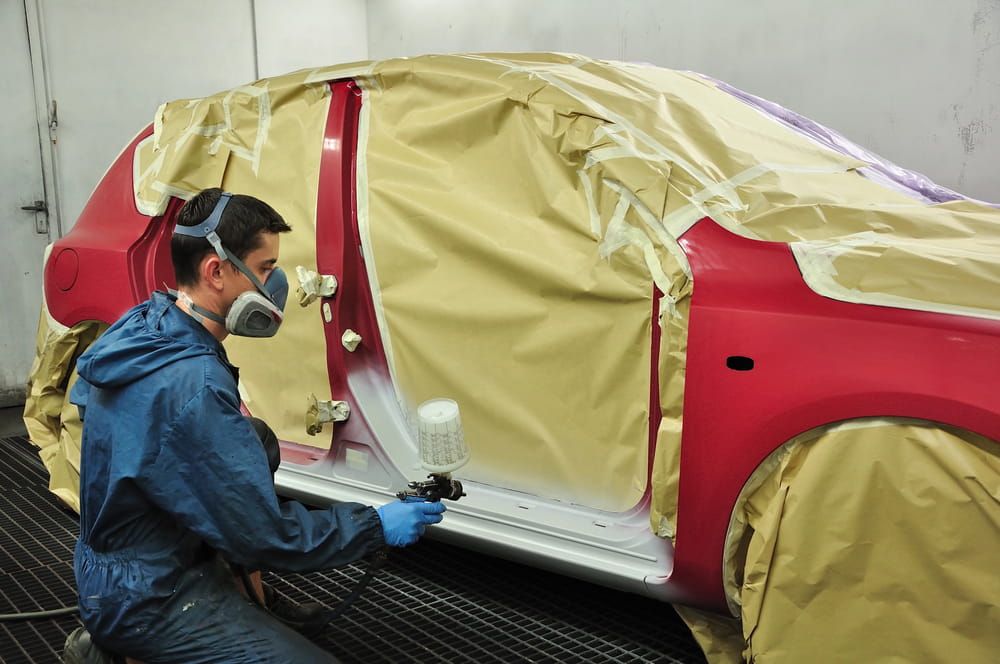
Finding a good body shop has never been easy. After an accident, for the most part car owners want the same things: a fair price, a reasonable repair time, and the peace of mind that their vehicle will be returned to its pre-accident condition. Unfortunately, what looks like a straightforward repair can be far more complicated than most people realize.
If you were involved in an accident or have some damage on your vehicle that you want repaired, it is important that you read this article first. We will break down the problems plaguing the autobody repair industry and how you can avoid getting caught up in the nonsense.
The uncomfortable truth is that not every collision repair is performed to the standard a customer might expect. Just because the car appears beautiful, with flawless paint, perfectly aligned panels, and no obvious signs of damage does not mean it was brought back to its original pre-collision condition. While it may feel natural to blame shoddy workmanship and sub-standard parts on the body shop, it is a far more complex problem driven by a multitude of factors. In many cases, independent, family-owned repair facilities are caught in the middle of a system that puts enormous financial pressure on them, while insurance companies control how much they are paid, which parts they can use, and how much time they are allowed to spend on a repair. For consumers, understanding what happens behind the scenes is essential. Choosing a reputable body shop matters, but what many consumers do not realize is that choosing the right insurance company can be just as important.
What Could Be Hiding Beneath a Fresh Paint Job?
Modern vehicles are far more complicated than the cars that rolled off assembly lines a few decades ago. Today's vehicles incorporate a number of various materials, bonding methods, sophisticated electronics, safety equipment and sensors that help control everything from emergency braking to lane keeping.
Repairing collision damage properly often requires much more than replacing a bumper, straightening a fender, and applying fresh paint. Technicians may need to reprogram modules, mate new electrical components like sensors and cameras to allow the vehicle to recognize and communicate properly with the newly replaced components. The bottom line is collision repair goes far beyond repairing structural components, replacing damaged reinforcement bars, checking suspension mounting points and following manufacturer-specific repair procedures.
When vital steps are skipped, the repair centers around purely esthetic value. A vehicle may look perfectly repaired while retaining problems that are not immediately apparent. A poorly repaired electronic or structural component could affect crash protection. Even something as seemingly minor as a bumper repair can become complicated when sensors, wiring, and hidden components are involved. For example, a 2026 Infinity Q60 that only requires a grill and bumper replacement will also require the shop to go through a proper camera replacement procedure, which includes programming. Since the camera is built into the grill often times the old camera may not be used, and the new camera will not be used with the vehicle’s safety tech and equipment until it is mated to the car through an electronic process. Regardless of how good the car looks on the outside; an improperly installed replacement part might not perform as intended in another collision.
This does not mean every inexpensive repair is unsafe or that every vehicle with aftermarket parts has been repaired improperly. It means the quality of a collision repair cannot be judged by its appearance alone. This is especially true with newer cars that have far more tech and electronic components hidden under the vehicle’s body panels.
The Major Insurance Problem Nobody Talks About
One of the biggest challenges facing collision repair businesses is the relationship between repair costs and insurance reimbursement. After an accident, many customers assume their insurance company will pay a reputable body shop whatever it reasonably costs to repair the vehicle properly. In reality, the process can be much more contentious.
Insurance companies assess claims, negotiate labor rates, review estimates, approve or dispute replacement parts, and determine which repair operations they consider necessary. A shop may identify additional damage after removing a bumper or dismantling part of the vehicle, only to face another round of estimate reviews and authorization requests.
The problem is not only the delay that waiting for the insurance company to dispatch someone to reappraise the additional damage adds to the repair process but how it may affect the quality of the repair itself. The disagreement is not always about whether the car needs repair(s). It can be about how much the repair should cost, which parts should be installed, what procedures should be followed, and who will pay for them. Some insurers emphasize lower-cost repair networks, alternative parts, and tightly controlled labor allowances. Used parts can be perfectly serviceable in appropriate circumstances, but their condition, history, fitment and suitability matter. A used component may have hidden damage, corrosion, previous repairs or missing hardware. If the shop receives a part that does not meet the required standard, sourcing a suitable replacement can cause additional delays and expenses that the insurance company may sometimes refuse to cover. This is particularly true for many low-price insurance policies and companies that primarily pride themselves on low premium costs.
There is also a critical distinction between a repair that is technically possible and one that follows the vehicle manufacturer's applicable repair procedures. If an insurer's initial estimate does not account for all necessary operations, the shop must document the additional work and seek approval. That process can be time-consuming, and disputes over reimbursement can leave the repair facility carrying costs it did not expect. Responsible shops cannot simply ignore these issues and pay out of pocket for each overage. They have employees to pay, rent to cover, equipment to maintain, paint and materials to purchase, and parts suppliers expecting payment. In addition to being able to run a profitable business, they also must work to protect their customers and stand behind their work.
The result is an uncomfortable conflict: the insurer controls much of the financial process, pushing the car to be repaired as cheaply as possible; the customer expects a properly repaired vehicle, and the body shop is expected to deliver the vehicle to the customer in pre-collision condition.
When the Body Shop Becomes the Bank
Perhaps the most frustrating part of the entire process is that many body shops are expected to work for free. This is not some overexaggeration; while many insurance companies push body shops to fix the car at a lower cost, they often delay payment and force the body shop to do in house-collections. It is wild to think that in today’s climate a body shop can complete a repair, deliver the vehicle to its owner and still wait months to receive payment from the insurance company. Not to mention the inconvenience this would cause to the vehicle owner. If the body shop chooses to keep the car until the payment is issued the insurance company may choose to stop working with the body shop entirely.
Consider this real-world example shared by a body shop in Glendale, California: a Mercedes-Benz G-Class arrived with damage requiring more than $30,000 in repairs. The shop performed the work, repaired the vehicle, and returned it to the customer. Yet the insurance payment never arrived. Six months later, the same customer returned with the same vehicle, this time needing repairs for new damage. The shop had to refuse the job because it still had not been paid for the previous repair from the same insurance company. While it is the body shop’s every right to refuse service due to non-payment, this has a huge effect on the relationship that the body shop has with the actual customer. The chances are the same customer is unlikely to bring more work to the same shop in the future.
Think about what that means for a small business. The shop had already committed thousands of dollars in labor, parts, paint, materials, and overhead. Its employees had to be paid, suppliers had to be dealt with, and the business had to keep operating. Yet the money owed for a completed job remained outstanding for half a year. What happened in this case? The shop was effectively financing a $30,000-plus repair while waiting for the insurer to pay its bill.
This example illustrates a problem that collision repairers can face when payment disputes and claim-processing delays drag on. It should not be taken as proof that every insurer routinely withholds payment for six months, but it demonstrates how financially damaging a single disputed claim can become. In fact, more than ever before shops are expected to float large sums of money, which is owed to them. And the problem does not necessarily end when the car leaves the shop. A business can have a full schedule, plenty of customers, and technically profitable jobs on paper while running dangerously short of cash because payments have not arrived.
For a large corporation, a delayed payment may be nothing more than an accounting issue, but for a family-owned body shop, it can mean struggling to make payroll, postponing equipment purchases, delaying payments to suppliers, or using credit to cover expenses that should already have been reimbursed. That is particularly a difficult position for smaller repair facilities, which generally have fewer financial reserves than large corporate operations.
The Numbers Reveal an Industry Under Pressure
The financial pressures facing collision repair businesses are part of a bigger problem in the automotive industry. As repair costs continue to rise driven by inflation, modern vehicle repairs increasingly require more advanced specialized work and equipment, compounding the problems related to changing average repair times, part searching and equipment.
According to CCC Intelligent Solutions' 2026 Crash Course report, the preliminary average total cost of a repairable collision claim reached approximately $4,818 in 2025, up 1.7% from 2024. The average repair cost for vehicles six years old or newer was $5,721, more than 55% higher than for vehicles seven years old or older.
These figures matter because the cost of a repair is not simply the amount a shop earns. Much of the money goes straight back out to parts suppliers, paint vendors, technicians, subcontractors, rent, software subscriptions, licensing costs, and other operating expenses.
Furthermore, a modern repair can involve diagnostic scans and safety-system calibrations that were uncommon on older vehicles. CCC reported that 86.8% of direct repair program appraisals included a diagnostic scan in the first quarter of 2025, while 31.7% included a calibration. Many calibration operations were added through supplemental estimates rather than the original estimate, potentially creating additional approval steps for procedures that the insurance companies know are required to properly repair the vehicle. In other words, the body shop is expected to repair increasingly complicated vehicles while navigating cost controls, administrative processes, and disagreements over what insurers will reimburse. The result is a difficult operating environment in which a shop can do everything it believes is necessary to repair a vehicle properly and still find itself arguing over payment.
Why Can't the Shop Simply Pay for the Difference?
This is where consumers need to understand the economics of collision repair. An insurance estimate allows a certain amount for labor, replacement parts, and paint materials. Often what happens is, after dismantling the vehicle, the technician discovers additional damage or identifies a necessary procedure that was not included in the original estimate. The shop documents the issue and requests a supplemental payment from the insurance company. Depending on the insurance company, they may approve it quickly, ask for photographs and documentation, dispute the operation, or request another inspection. In the meantime, the vehicle may remain in the shop, occupying valuable space while the business continues to pay its bills.
Alternatively, the insurer may approve a lower-cost replacement part while the shop believes another component is necessary for a proper repair. For example, an insurance company may approve the use of a cheaper $150 aftermarket bumper cover. While attempting to install the bumper cover, the body shop may discover quality and fitment issues with the insurance-authorized bumper. If after trying the cheaper aftermarket bumper cover the shop opts to use a more expensive $600 original equipment bumper, they will then need to explain why its proposed repair differs from the insurer's estimate. A responsible shop cannot simply absorb every difference between the amount it costs to do the job correctly and the amount the insurer agrees to pay.
Expecting a small business to cover thousands of dollars out of pocket on every disputed repair is simply unreasonable. No sustainable business model can depend on regularly donating labor, parts, and materials to complete insurance claims and bring the vehicle back to its original condition.
Used Parts, Cheap Repairs, and the Cost of Cutting Corners
One of the most contentious issues in collision repair is the use of replacement parts that cost less than original manufacturer parts. Used, recycled, aftermarket, and reconditioned components are not inherently bad, but they will often vary in quality. A quality recycled door from a vehicle with no previous damage, for example, may be an excellent replacement. A properly certified aftermarket component can also be suitable for a particular repair. The problem arises when the lowest price becomes the primary consideration rather than the condition, compatibility, safety, and suitability of the part.
In many cases a used part may arrive with scratches, hidden damage, corrosion, missing mounting hardware, or previous repairs that were not disclosed. An aftermarket part may require additional fitting or fail to match the original component as closely as expected. These issues can add labor, delay completion, and create disagreements about who should pay for the extra work.
When a shop raises concerns, it may find itself caught between an insurer trying to control costs and a customer who understandably expects a properly repaired vehicle. Unfortunately, when the financial incentives favor the cheapest acceptable-looking solution, consumers may have difficulty knowing whether the work performed is the best solution for their vehicle. A reputable shop will often spend a lot of time explaining its parts choices and provide documentation supporting the repair. Keeping in mind this time is not compensated by the insurance company or the insurer; a reputable shop absorbs those costs in order to deliver a quality repair.
How to Find a Body Shop You Can Trust
Although consumers cannot control every aspect of an insurance claim, they can take steps to improve their chances of receiving a proper repair. The first thing is to choose a reputable shop to do the work. Basing your decision on the shop that offers the best prices will often come with some additional costs that may come long after the vehicle is returned to you. Look for a facility with a good review on Yelp, check out the facility in person, and make sure that the shop has a dedicated permitted spray booth and frame machine. Check their quality of work by reviewing other cars they have fixed. Another very important fact is the people that work at the facility, clear communication is a must. A good shop will often go out of their way to help you understand the extent of the damage and the required repair procedures. A personal recommendation from a friend may also help; however, it should not be the only metric by which you assess the shop’s repair quality.
Don’t be afraid to ask detailed questions about the repair process, expected timeline and how replacement parts are selected. Discuss diagnostic scans and calibrations. If your vehicle has advanced driver-assistance systems, ask whether the required post-repair inspections and calibrations will be performed. Request documentation and keep copies of estimates, supplements, invoices, parts information, and records of any structural repairs or calibrations.
Be cautious about unusually unrealistic promises. A shop that promises an immediate completion date before fully assessing the damage may not have accounted for hidden damage or additional procedures. A shop that explains problems honestly, even when the news is inconvenient, is often a better choice than one that makes unrealistic promises.
Most importantly, understand that you generally have a choice of repair facility. While the insurer may try to push you to use one of their recommended shops, it is vital that you stand your ground. Remember, the insurance companies’ primary interest is financial; most often they want the job done as cheaply as possible. Some insurers work with a network of shops with pre-agreed-upon prices using substandard cost-cutting measures. Some of the shops in these direct repair insurance networks may prioritize volume and high turnaround over actual quality work. This is all the more reason not to go with the body shop options presented by the insurance company. In most states there are laws prohibiting the insurance company from forcing you to use one of their body shops; however, it is highly advised that you ask about your policy and applicable state laws first.
Choosing the Right Insurance Company Matters
Consumers often spend considerable time trying to find the insurance company that offers the lowest policy premiums; however, this should not be the only metric that you use to evaluate insurance providers. The repair quality deserves attention as well; God forbid something happen to your vehicle.
Before choosing an insurer, ask how it handles repair disputes, supplemental estimates, replacement parts, and rental-car coverage when repairs take longer than expected. Give them the year, make and model of your vehicle and ask whether they will authorize the use of recycled or aftermarket parts if the car was involved in an accident. Review the policy language, understand your deductible, and investigate the company's complaint history through reliable sources. If you have a body shop that you like and trust, ask them which insurers they prefer working with. While the shop's experience is not a substitute for independent evidence, it can help you identify questions worth asking.
The objective is not to find an insurer that approves every requested expense without review. It is to find one that evaluates claims fairly, communicates clearly, and recognizes that a proper repair sometimes costs more than the initial estimate suggests.
The Takeaway
The next time you look at a car with a flawless paint finish, remember that you cannot judge the quality of its collision repair by appearance alone. The most important work may be hidden beneath the panels, behind the bumper, or inside the vehicle's electronic safety systems.
Finding a trustworthy body shop is essential, but it is only part of the equation. The insurance company paying for the repair matters just as much.
While no one wants to be involved in a car accident, they do happen and it is best to be prepared when they do. The key to a smooth car repair process is by choosing a reputable shop that is committed to following appropriate repair procedures and an insurer that is willing to pay for covered, necessary work without unreasonable delays.
Just like the customers should not be forced to choose between an affordable insurance policy and a properly repaired vehicle, a family-owned body shops should not be expected to finance thousands of dollars in completed repairs while waiting months for payment.
Read more articles
Post a comment
Popular Articles
The Hidden Truth About the Collision Repair Industry and Why a Shiny Paint Job Doesn't Always Mean a Properly Repaired Car

Is The New Jaguar Type 01 the Future of Electric Cars?
What Is a Pink Slip and Why Is It So Important?
How Your BMW VIN Can Reveal More About the Vehicle
Is California Killing Off Car Enthusiasts?