Pros and Cons of Wheel Spacers: Are They Worth It?
Valerie Raskovic
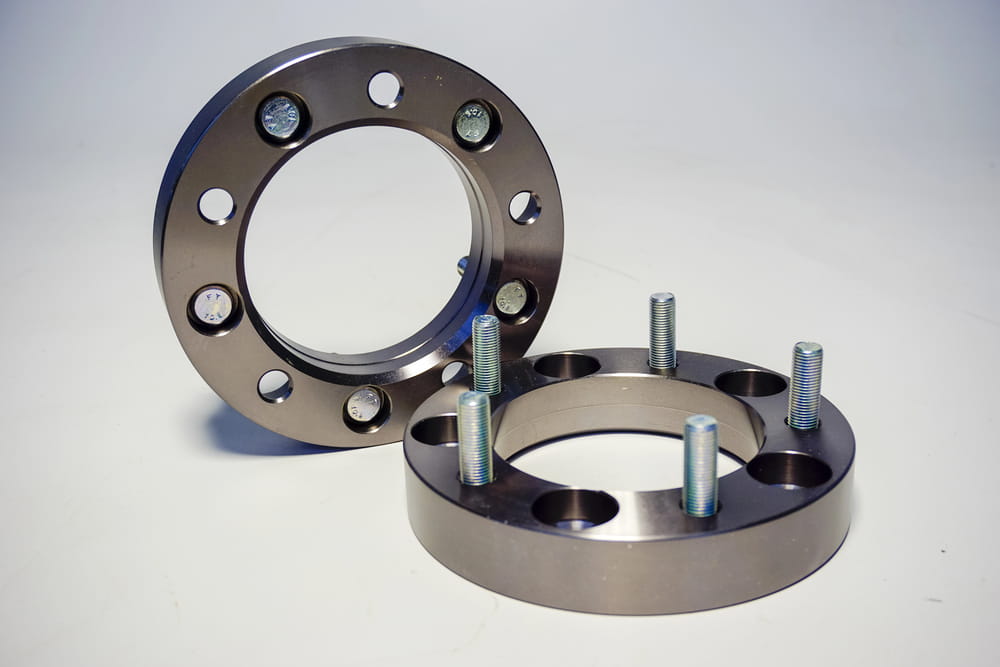
The use of wheel spacers has remained a bit of a controversial subject within the car enthusiast community. While some proponents tout their ability to improve the vehicle’s look and driving characteristics, others claim they could accelerate the wear and tear on the vehicle’s suspension and even cause damage, leading to serious safety concerns. In this article we will explore the facts surrounding wheel spacers, giving you the ability to make a more informed decision when to go out and buy a set of new spacers.
Is installing wheel spacers a good idea? There is no binary answer to this question, as it highly depends on why you're using them, the type and quality of the spacers being used, and whether they are installed properly or not.
What Are Wheel Spacers and Why Do People Use Them?
Wheel spacers are basically metal spacer discs that go between your vehicle’s hub and the wheel. Wheel spacers are considered a relatively inexpensive, easy-to-install modification that can noticeably change the appearance of your vehicle by pushing the wheels farther outward effectively changing the wheel’s offset without ever changing the actual wheel.
But while some people install them purely for looks, others use them to solve wheel fitment problems or even adapt wheels from a completely different vehicle. Many factory wheels sit relatively deep inside the wheel wells, especially on SUVs and trucks. Adding spacers can give the vehicle a wider, more aggressive stance without the expense of purchasing aftermarket wheels.
However, appearance isn't the only reason wheel spacers exist. Wheel spacers can also provide additional clearance between the wheels and components such as brake calipers, suspension arms, and struts. This can be particularly useful when upgrading to larger brakes or installing aftermarket suspension components.
The Benefits of Wheel Spacers
The biggest advantage of wheel spacers is their versatility. They allow drivers to adjust wheel positioning on the budget without purchasing an entirely new set of wheels.
Increasing the vehicle's track width can also have a positive effect on handling. In theory, a wider track can reduce lateral weight transfer and improve stability during hard cornering. However, the actual improvement depends on the vehicle's suspension geometry, tires, and spacer thickness. Simply installing wider spacers doesn't automatically improve your vehicle’s handling.
Another benefit is improved wheel clearance. Wheel spacers may be very useful when you upgrade your wheels only to find out you have clearance issues like when the wheels make contact with the brake caliper or suspension components. A properly sized spacer can create the necessary clearance, allowing the wheel to fit without interference.
One particularly useful variation of the wheel spacer is the wheel adapter. While wheel adapters may look identical to wheel spacers, they serve unequally different purposes. Unlike conventional spacers, which simply move the wheel outward, wheel bolt pattern adapters allow you to install wheels with a different lug pattern. You can go from an uncommon 4-lug configuration to 5 lugs, or you can go from a less popular 5x100 mm lug pattern to a more popular 5x114.3 mm. This can open a door to more wheel and fitment options, allowing you to install custom wheels offered by a slew of manufacturers. Additionally, some may even argue it can save you money on your next set of aftermarket rims, as the more popular option is typically offered at a more competitive price. Wheel adapters can be especially useful for custom builds, restoration projects, and owners who already have a set of wheels they want to reuse.
The Downsides of Wheel Spacers & Adaptors
Despite their benefits, wheel spacers aren't without drawbacks. One of the biggest concerns is the additional leverage they place on wheel bearings and suspension components. Moving the wheels outward changes how forces are transferred through the hub assembly. This can increase bearing loads and potentially accelerate wear on various suspension components. Since this is a very specific application, it is vital that you do your research before evaluating the pros and cons of your unique vehicle, wheel and spacer dimensions.
Wheel spacers can also change steering geometry, particularly scrub radius. On some vehicles, this can result in heavier steering, increased kickback over bumps, or changes in how the vehicle responds during braking.
Another concern has to do with the spacer type: hub-centric centers the wheels on the hub, while spacers that do not have the hub protrusion will center the wheel on the lug nuts. This can cause uneven installation and dangerous vibration at high speeds. It’s important to always buy spacers/adaptors made specifically for your vehicle and wheel combo. Cheap, poorly machined spacers may not fit the hub correctly, potentially causing vibration or uneven loading. Improperly installed spacers can also loosen, creating a serious safety risk.
Bolt-on spacers and adapters also introduce another set of studs and fasteners that must be installed correctly. Proper torque, sufficient thread engagement, compatible hardware, and following the manufacturer's inspection and retorque instructions are essential. Even the highest-quality spacer can become dangerous if installed incorrectly.
Adapters introduce other considerations. Because they need enough material to accommodate two separate bolt patterns and mounting hardware, they're typically thicker than basic slip-on spacers. This pushes the wheels farther outward and can create clearance issues with the fenders and effect the vehicle’s turning radius and overall suspension geometry.
It's also important to remember that matching the bolt pattern is only part of the equation. Wheel center bore, offset, lug seat design, load capacity, and brake clearance must all be considered when switching to a wheel with a bolt pattern not compatible with your vehicle. An adapter that allows a wheel to bolt onto a vehicle doesn't necessarily mean the wheel is safe or appropriate for that vehicle.
Are Wheel Spacers Worth Installing?
While the wheel spacers or adapters can be a perfectly reasonable modification, the overall end result will greatly depend on various factors. The main factor will always remain proper research to ensure proper wheel fitment that does not create additional clearance issues.
Wheel adapters add a lot of flexibility by allowing wheels with different bolt patterns to be used, although they introduce additional fitment and safety considerations. That said, spacers and adaptors shouldn't be treated as a universal solution. If you're already planning to purchase new wheels, choosing the correct offset and bolt pattern from the beginning is usually the better approach.
Ultimately, there's nothing inherently wrong with using properly engineered wheel spacers. The problems generally arise when drivers use excessively thick spacers, purchase questionable products, or overlook proper installation.
Read more articles
Post a comment
Popular Articles
Pros and Cons of Wheel Spacers: Are They Worth It?

California's New Tire Regulations Could Cost Drivers More Than They Bargained For
Why More and More Drivers are Saying No to the Bells and Whistles and Choosing Simpler, No-Frills Vehicles
The Hidden Truth About the Collision Repair Industry and Why a Shiny Paint Job Doesn't Always Mean a Properly Repaired Car

Is The New Jaguar Type 01 the Future of Electric Cars?