California's New Tire Regulations Could Cost Drivers More Than They Bargained For
Valerie Raskovic
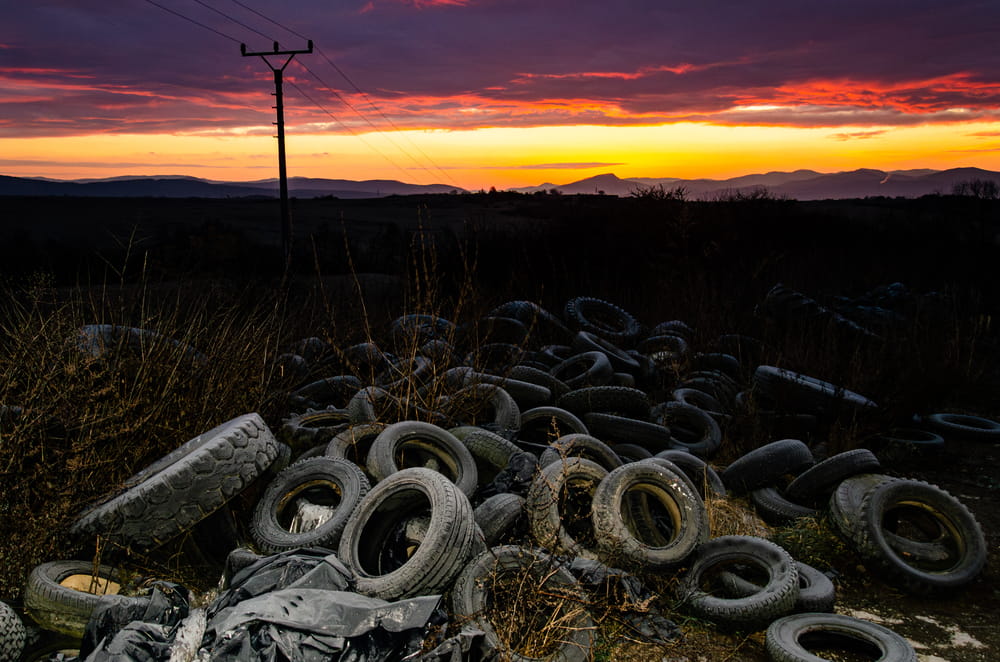
The state of California has found yet another way to regulate what we do with our vehicles. This time it involves something every car owner eventually has to buy and that is tires. The California Energy Commission (CEC) has approved a new Replacement Tire Efficiency Program that will change which replacement tires can legally be sold in the state. While regulators say the goal is to improve fuel economy, reduce emissions and save consumers money, industry professionals say that it will most likely have the opposite effect. The regulation raises some legitimate questions about affordability, consumer choice and whether the government should really be deciding what type of tires people can purchase.
The new regulation focuses on something called rolling resistance, which is essentially the amount of energy a tire consumes as it rolls down the road. Tires with lower rolling resistance require less energy to move, potentially improving fuel economy in gasoline vehicles and extending driving range in electric vehicles. Automakers have been using these types of tires as original equipment (OEM) on many new vehicles for years. However, there is a difference between designing a vehicle around a particular tire and forcing consumers to choose from a government-approved selection when it’s time to replace your original tires.
What Does the New Regulation Actually Mean?
The California Replacement Tire Efficiency Program introduces two phases of requirements. Beginning January 1, 2029, replacement tires manufactured on or after that date must meet the first efficiency standard. A stricter standard follows on January 1, 2033. The regulation applies to most replacement tires sold in California for passenger vehicles and light-duty trucks with certain very limited exceptions made for specialty, winter, competition, and off-road tires.
While the overall impact of this law is not yet felt, it is said to impact California residents by greatly limiting the selection of tires available at local dealerships, tire shops, and online retailers. Since this new regulation will make roughly 80% of all aftermarket tires not eligible for sale in the state of California, the inventory will be limited to products that meet the state's requirements. Keep in mind most, if not all budget-friendly, long-lasting and performance tires fall in that 80% category and will effectively be banned coming within the next couple of years. This will affect everyone from car enthusiasts who tend to prefer traditional touring tires and performance tires to low-income families who commonly opt for budget-friendly aftermarket options. If you live in the state of California, chances are that your preferred choices are no longer available through California retailers.
But the impact doesn't necessarily stop at the state line. California represents one of the largest automotive markets in the country and manufacturers and distributors often make business decisions based on the requirements of major markets. If manufacturers decide it makes more financial sense to standardize their tire offerings around California's requirements, consumers in other states could also see changes in product availability and pricing. Even if other states never adopt similar regulations, California's purchasing power could influence the national replacement tire market.
Some also speculate this law can give way to a new gray market for non-DOT-approved tires that could be imported and sold illegally in the state to satisfy consumers’ needs for banned tires. It is reasonable to assume by simply banning a product in the state it will not eradicate its existence; instead, it will drive up costs for consumers and create a market not too different from the illegal drug trade.
The Tread Life Question Nobody Should Ignore
One concern worth discussing is the difference between many original-equipment low-rolling-resistance tires and traditional aftermarket alternatives. Some OEM tires are designed with relatively shallow tread depths compared with replacement tires that prioritize longer tread life, traction, or other performance characteristics. While this isn't true of every OEM low rolling resistance tire, it is important to make this distinction for consumers, as low rolling resistance tires tend to wear out faster than their aftermarket equivalents. Unlike many vehicle components, tires are one of the few products where consumers often prefer aftermarket options over OEM replacements, largely because the aftermarket offers a wider selection of purpose-built tires designed for specific driving conditions, performance needs and year-round use.
Keep in mind that tread depth plays a significant role in how long a tire can remain in service. A tire starting with less usable tread may need replacement sooner, depending on its construction, compound, driving conditions, and wear characteristics. This is particularly relevant for drivers who prioritize longevity over marginal improvements in fuel economy.
The CEC argues that its testing shows the new efficiency requirements will not reduce tire lifespan. However, consumers should be able to evaluate individual tire models for themselves rather than having their choices be narrowed by government-imposed performance requirements. A tire that saves a little fuel but costs more upfront or wears out sooner isn't necessarily a better deal for every driver.
While California looks at this new regulation as part of a broader environmental directive that aims to reduce smog and lower overall vehicle emissions, the reality is that it is likely to cause further pollution by creating more tire waste. If most rolling resistance tires wear out faster, then you will need to replace them more frequently, causing more tire waste. Since tires are very hard to recycle and require a lot of energy to process, this could increase our impact on our planet.
While cleaner air and water are goals most people can agree on, this regulation feels like another example of a policy developed by people who may not fully understand the industry or the practical consequences for consumers. If California were genuinely serious about reducing its environmental footprint, it could make greater investments in infrastructure that supports reliable, convenient, and accessible public transportation. Instead, the state seems to have developed a pattern of shifting the responsibility for meeting its environmental goals onto residents, often through regulations that increase costs and limit personal choice rather than addressing some of the larger underlying problems.
Expect the Cost to Extend Beyond California
The state estimates that the cost of tires will increase approximately $6 per set of four tires during the first phase and $26 per set once the stricter 2033 requirements take effect. Those figures sound relatively insignificant, but they represent the state's projections, which are often not rooted in reality. Some experts predict that consumers will pay as much as 30% more for the set of tires. The worst part is likely they will need to replace them more frequently so that the increase is likely to be compounded by the increase in frequency of tire replacement.
This law also forces manufacturers to invest money into compliance. Things like research, engineering and testing, production changes are said to increase product cost. Retailers must also adapt their inventories and supply chains. As most of us know, expenses don't simply disappear; they will ultimately find their way into the price consumers pay. Smaller tire manufacturers and budget-focused brands could face some hardships and challenges competing in a market with additional compliance requirements.
When California changes the rules in one of the country's largest automotive markets, the financial consequences can extend beyond its borders. Manufacturers may decide to consolidate product lines, discontinue certain models, or adjust nationwide distribution rather than maintain separate inventories for California and the rest of the country.
A Question of Consumer Choice
There is also a bigger issue here: does this law infringe on our rights as Americans? Should government determine what characteristics a replacement tire must have beyond reasonable safety requirements? What is next? Will the government replace my beer with a lower-calorie alternative? All this law does is create concerns about our liberties and rights as consumers.
The law does not account for the fact that people have different needs. Someone commuting 100 miles a day may appreciate a fuel-efficient tire, while someone driving a sports car may prioritize handling and grip. A truck owner may want durability, load capacity, and tread life. Someone on a tight budget may simply want a dependable tire at an affordable price. There is no single tire that is ideal for everyone, and rolling resistance is only one consideration when purchasing tires; it should not be the primary one.
California officials argue that the program will save drivers money over time through improved fuel economy. That may be true, but the savings are likely to be miniscule in the face of the overall price hike. While some motorists may save a few dollars a month in gas, it doesn't mean every driver will benefit equally. Consumers should be able to weigh the upfront cost, expected lifespan, traction, performance and fuel savings and make their own purchasing decisions.
Ultimately, California's new tire regulation is another example of a policy that prioritizes a statewide environmental objective while potentially creating additional complications that not only effect American consumers but may also undermine the effectiveness of these new regulations. Improving fuel efficiency is a worthwhile goal, but restricting what people can purchase is not necessarily the best way to accomplish it. Rather than narrowing the market, regulators should focus on providing accurate information and allowing consumers to decide which products best meet their needs. After all, drivers are the ones paying for the tires, maintaining their vehicles, and dealing with the consequences of these decisions.
Read more articles
Post a comment
Popular Articles
California's New Tire Regulations Could Cost Drivers More Than They Bargained For
Why More and More Drivers are Saying No to the Bells and Whistles and Choosing Simpler, No-Frills Vehicles
The Hidden Truth About the Collision Repair Industry and Why a Shiny Paint Job Doesn't Always Mean a Properly Repaired Car

Is The New Jaguar Type 01 the Future of Electric Cars?
What Is a Pink Slip and Why Is It So Important?