Top 10 New Cars to Avoid
Valerie Raskovic

Buying a new car is a big decision, one that you will most likely have to live with for years to come. This is why it is vital to make a good decision that fits your needs, lifestyle, goals and budget while avoiding options that can quickly turn into ownership headaches. Based on real-world customer feedback, depreciation data and reliability trends, certain models consistently fall short in long-term value, ownership satisfaction and dependability.
In this article we have outlined 10 new car models that buyers may want to avoid or at the very least approach with caution.
- Chrysler Pacifica Hybrid
The first car on our list is the Chrysler Pacifica Hybrid. While it remains a very comfortable family-friendly hauler, the Chrysler Pacifica has some significant drawbacks.
Common reasons to avoid:
- Common reports of premature transmission failures and issues.
- Frequent electrical problems.
- Higher repair frequency over time.
- Very weak resale value compared to the competitors like the Honda Odyssey and the Toyota Sienna.
- Owners often cite reliability concerns within the first few years of ownership.
- Land Rover Range Rover
The Land Rover Range Rover is an opulent luxury off-roader known for its exquisite interior design and off-road prowess. However, as nice as it looks and as luxurious as its interior is, it still does not change the fact that the Range Rover can be a difficult car to own over time.
Common reasons to avoid:
- Known for a host of reliability issues, from electrical to mechanical failures.
- Above average repair costs.
- Extremely fast depreciation.
- Above average repair difficulty and part availability.
- Jeep Grand Cherokee L
The new Grand Cherokee L is often referred to as the American Land Rover, as the refinements you will find in the fully loaded models may rival its European counterparts. However, similar to its European counterparts, the Grand Cherokee L struggles with long-term reliability and ownership satisfaction.
Common reasons to avoid:
- Most common complaints revolve around various vehicle electrical systems.
- Build quality for the Grand Cherokee will commonly vary based on generation; however, the new L models tend to be more inconsistent than previous models.
- Depreciates faster than many competitors in its class.
- Tesla Model X
For those of us in the market for an EV in an SUV form, the Model X may not appear to be a bad choice at first glance; however, many owners report below-average long-term ownership experiences.
Common reasons to avoid:
- Build quality concerns were reported by some owners.
- Expensive repairs outside the warranty.
- Rapid depreciation due to price changes and new tech and EV-related legislation.
- Kia EV9
While a lot of the Kia models present as cost-effective alternatives to more mainstream options from popular Japanese car manufacturers like Toyota and Honda, they may not offer the same type of ownership experience over time.
Common reasons to avoid:
- Common bugs and failures related to battery management and charging.
- Common electrical faults and bugs.
- High cost of EV batteries and electrical components.
- Higher rate of depreciation.
- Kia EV6
Just like its big brother, the EV9, the EV6 suffers from similar ailments.
Common reasons to avoid:
- Common bugs and failures related to battery management and charging.
- Common electrical faults.
- High cost of EV batteries and electrical components.
- Higher rate of depreciation.
- Genesis GV60
The Genesis GV60 is a premium crossover offered by another Korean manufacturer under the parent company Hyundai. While it features a sleek modern design with innovative technology and features, it has been reported to have some issues.
Common reasons to avoid:
- Very complex electronics with hard to repair components.
- Commonly reported driveline-related failures.
- Common electrical faults.
- Higher rate of depreciation.
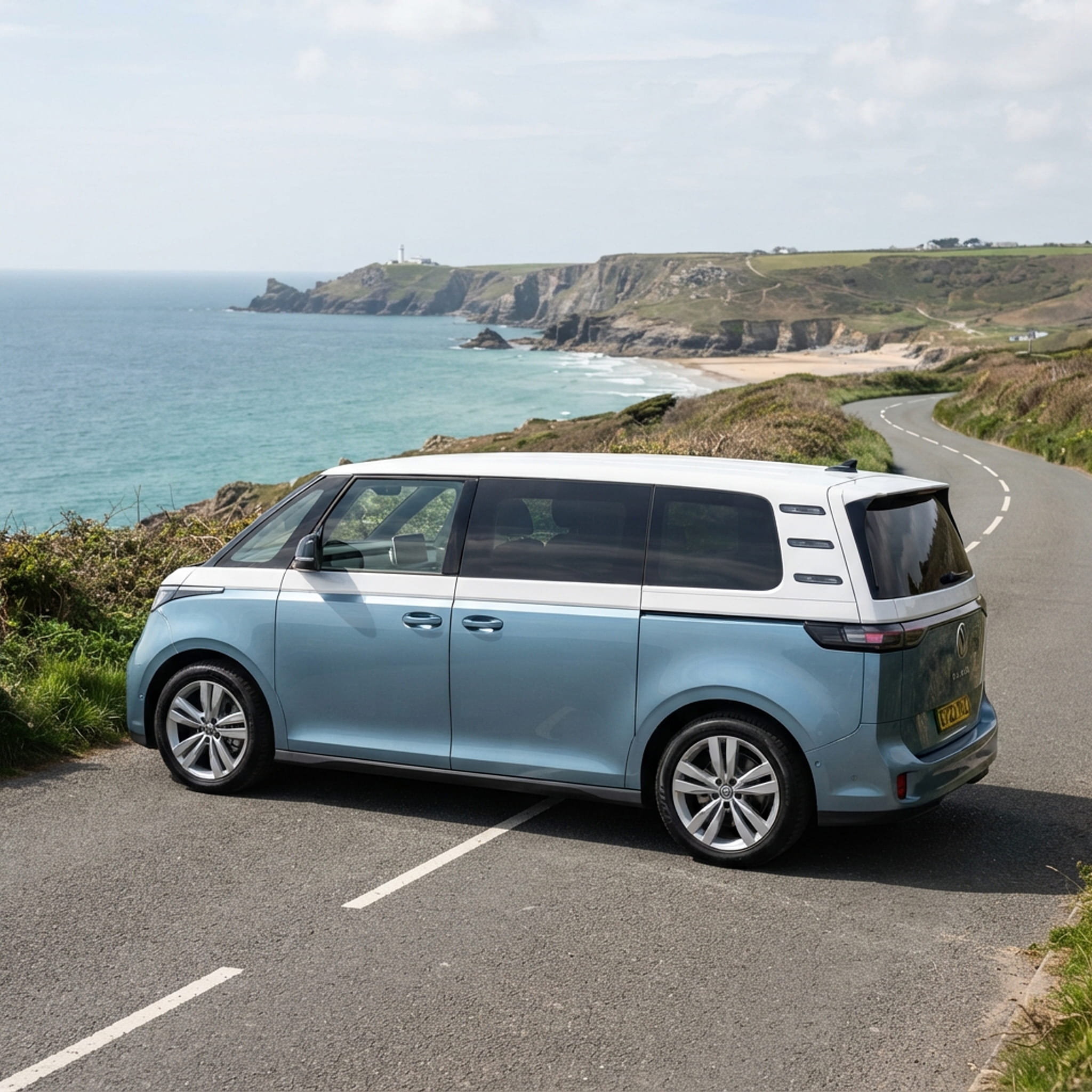
- Volkswagen ID.4
The Volkswagen ID.4 is a fully electric crossover SUV that may appeal to buyers in the market for a European crossover electric vehicle; however, there are a few things buyers should consider before making their pick.
Common reasons to avoid:
-
- Shorter than the reported driving range. Some buyers report not being able to get over 200 miles on a full charge.
- Reports of software bugs and electrical issues.
- Higher repair costs.
- Rapid depreciation due to fast-changing EV technology. Buyers often see huge value drops within a few years, especially as newer EV tech makes older models less desirable.
- Nissan Leaf
The Nissan Leaf is renowned as one of the first adoptions of full electrification by a major car manufacturer. While it offered buyers an eco-friendly solution within the compact car market, it also presented owners with some serious shortcomings and drawbacks. What initially may seem like a budget-friendly EV can quickly become a major financial loss.
Common reasons to avoid:
- The Leaf has been renowned for having a very short driving range, while the newer models would struggle to hit 200 miles on a full charge. Older generations would be drained in as little as 73 miles.
- It is also known as one of the fastest depreciating EVs on the market.
- Outdated battery and charging tech compared to newer EVs.
- Limited long-term desirability in the used market.
- GMC Acadia & Chevrolet Traverse
Since both the GMC Acadia and Chevrolet Traverse are essentially the same vehicle underneath, we decided to include them as one. In a sea of family-friendly SUVs, sourly you can find something better than one of these 2 options. These vehicles primarily relocated to rental fleets and company vehicles. The reason for this lack of appeal revolves around the fact that they are plagued with reliability issues and in most cases do not offer a very good value per dollar proposition.
Common reasons to avoid:
- Reliability issues plaguing multiple mechanical as well as electrical systems.
- Above-average depreciation rate.
- Limited long-term desirability in the used market.
Key Patterns Behind These “Avoid” Picks
Across all 10 vehicles, the same issues keep showing up:
- Rapid Depreciation
Complex luxury vehicles and EVs tend to lose value the fastest, sometimes over 50–60% within a few years.
- Reliability Concerns
Brands like Jeep, Chrysler, and some EV manufacturers consistently rank lower in reliability surveys. EVs in general still show higher problem rates than gas vehicles.
- Electrical & Software Problems
Modern vehicles come equipped with a lot of complex electronics and components. A good number of common complaints today revolve around electrical glitches and failures.
- Poor Long-Term Value
Even if the purchase price seems attractive, long-term costs (repairs + depreciation) can make these vehicles expensive to own and overall undesirable on the used car market.
The Takeaway
Not every vehicle on this list should be considered a bad car, but based on customer reports, they tend to carry higher risk when it comes to ownership experience and long-term value. The key thing to remember is a good deal upfront doesn’t mean a good deal long-term. It is important to do some research and be aware that sometimes you may need to pay more upfront to get a better ownership experience over the lifetime of the vehicle.
Read more articles
Post a comment
Popular Articles