What Is an AGM Battery and Why You Should NEVER Replace It with a Conventional Battery
Valerie Raskovic
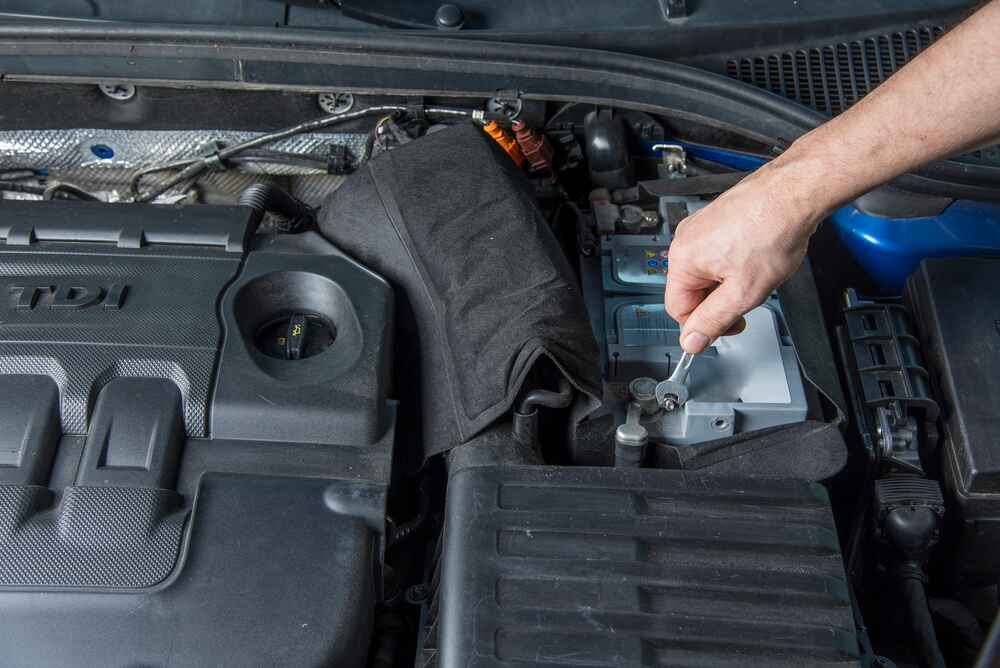
If you see the acronym AGM imprinted on your car battery or the battery box or encloser, then you know that your car does not come with a traditional flooded lead-acid battery and replacing it with one could cause catastrophic damage to various modern electronic systems.
AGM stands for Absorbent Glass Mat battery and while they may appear similar to conventional batteries from the outside, AGM batteries are made differently with different materials. An AGM battery uses fiberglass mats to absorb and hold the battery's electrolyte, making it more resistant to vibration, more durable, and capable of delivering higher electrical output than a conventional battery. These batteries are specifically designed for the high electrical power demands of many modern vehicles.
In addition to being faster to recharge, these batteries are designed to support advanced modern car features such as:
• Automatic start-stop systems
• Electronic power steering
• Autonomous driving and advanced driver assistance systems (ADAS)
• Multiple onboard computers and control modules
• Over the air software updates
Vehicles that come equipped with an AGM battery from the factory are engineered around the specific performance characteristics of an AGM battery and replacing it with a conventional flooded battery has the potential of causing some serious damage to various electrical components and systems. While you may be tempted to buy a cheaper conventional battery, it will not be able to handle the repeated charge and discharge cycles required by the start-stop systems. It may also provide lower voltage stability, which can lead to electrical issues, warning lights, reduced battery life, and poor starting performance.
In some vehicles the battery charging system is programmed specifically for the unique AGM battery charging characteristics and installing the wrong battery type can cause charging system faults, error codes and failures. Some newer vehicles even require battery registration or programming after battery replacement. Installing an incorrect battery can confuse the battery monitoring system and reduce charging efficiency, premature battery failure, electrical malfunctions, and additional repair costs.
While no one likes to pay more for something that used to cost less, unfortunately, we do not have a choice in the matter. If your car came equipped with an AGM battery, you may only replace it with another AGM battery with the same specs that matches the vehicle’s requirements. This means that the battery you are replacing must meet the manufacturer requirements, such as:
• TYPE
There are multiple types of batteries, such as conventional flooded lead-acid batteries, AGM (Absorbent Glass Mat) and EFB (Enhanced Flooded Battery). It is vital that you do not mix and match types; even when the batteries appear to be the same size, they can be completely different internally. If the vehicle calls for the use of an AGM battery, then the new battery will need to be designated as an AGM battery. This classification is often displayed on the vehicle battery itself.
• CCA (Cold Cranking Amps)
This measurement is related to the amount of current a battery can deliver at a low temperature of 0 F for 30 seconds while maintaining a voltage of 7.2 or greater. Higher CCA is preferred in colder climates. Doing so helps ensure reliable operation and allows the vehicle's electrical system to function as intended.
• Cranking Amps (CA)
The only difference between CCA and CA is the fact that CA is measured at a milder 32° F.
• Reserve Capacity (RC)
This is a measurement of battery storage performance, and it is calculated by how long a fully charged battery can maintain 25-amp load before dropping below 10.5 volts. This serves as a safety buffer in case your charging system fails and you must drive the car on battery power for a short distance, helping you get the car safely off the road.
• Group Size
Group size basically represents the physical dimensions of the battery as standardized by the Battery Council International. Group size also includes terminal polarities/placements, so the battery fits securely in your specific vehicle's tray.
• Voltage
Standard automotive batteries use 12-volt batteries; however, the clarification of 12 volts may be a bit deceiving, as the actual operational voltage of an average automotive battery tends to range between 12.6 and 12.8 volts.
• Amp-Hours (Ah)
Amp-hours represent the batterie’s energy storage capacity. This number is calculated by multiplying amperage by hours. For example, a 100Ah battery can deliver 5 amps for 20 hours.
While it may not always make sense to pay extra for a battery purchased directly from the dealership simply because it carries the manufacturer's branding, it is essential to choose a battery that meets your vehicle's specifications. Before purchasing a replacement battery, verify that all key requirements—including battery type, group size, cold cranking amps (CCA), reserve capacity, and any manufacturer-specific recommendations—match your vehicle's requirements. Using the correct battery will help ensure proper performance, reliability, and compatibility with your vehicle's electrical system.
Read more articles
Post a comment
Popular Articles

The Hidden Truth About the Collision Repair Industry and Why a Shiny Paint Job Doesn't Always Mean a Properly Repaired Car

Is The New Jaguar Type 01 the Future of Electric Cars?

What Is a Pink Slip and Why Is It So Important?

How Your BMW VIN Can Reveal More About the Vehicle

Is California Killing Off Car Enthusiasts?