Is the New Toyota GR GT the Spiritual Comeback of one of Japan's Most Beloved Supercars?
Valerie Raskovic
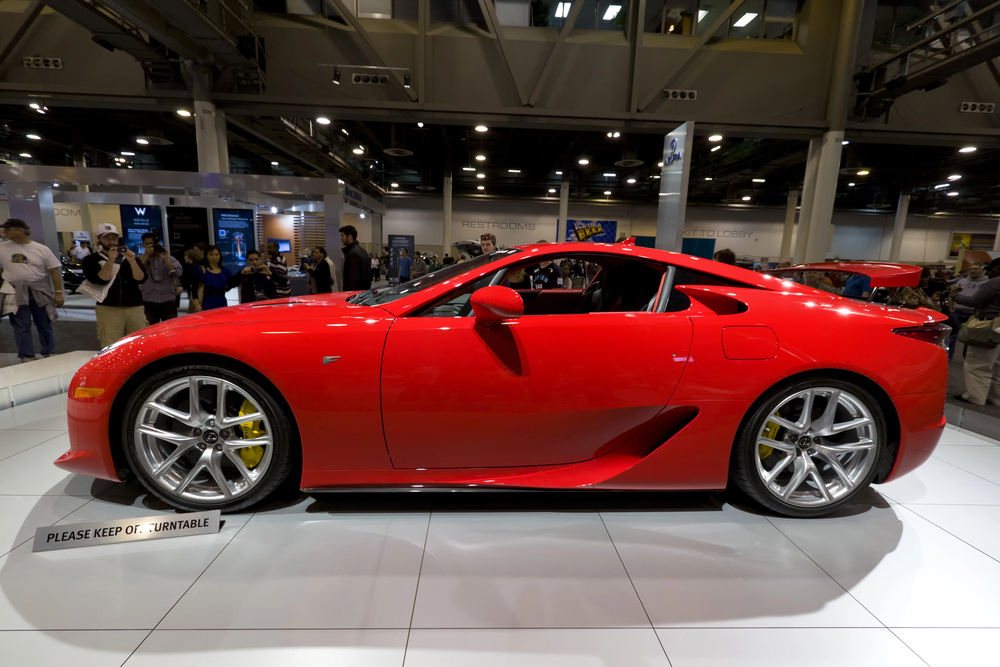
After more than a decade of anticipation, Toyota is finally answering the prayers of automotive enthusiasts worldwide with the launch of the all-new GR GT. This flagship supercar promises to be the spiritual successor to the legendary Lexus LFA. Set to make its official debut on December 5, 2025, this new halo car represents Toyota's triumphant return to the exclusive world of high-performance exotics. This is Toyota’s way to try to shake off its safe and boring image in an effort to attract younger car enthusiasts.
To understand the significance of this new model, it is important to revisit the past and appreciate the legendary status of its predecessor. The Lexus LFA, produced from 2010 to 2012 in a limited run of just 500 units, was Toyota's audacious entry into the supercar arena. Powered by a bespoke 4.8-liter naturally aspirated V10 engine that screamed to a stratospheric 9,000 rpm redline, the LFA produced 552 horsepower and created what many consider to be the greatest engine soundtrack in automotive history. In fact, the Lexus LFA was immortalized on a very popular TV show called “Top Gear” by its main presenter, Jeremy Clarkson. He said it was the best car he has ever driven and coming from one of the top automotive journalists of our time, that is saying a lot.
The LFA offered amazing performance, but it was never about numbers alone. Many who had the privilege of driving it described it as the ultimate bridge between driver and machine, offering an emotional connection unrivaled by most street-legal vehicles on the market today. Its carbon fiber construction, meticulous engineering and the decision to develop an entirely new bespoke V10 engine specifically for this car demonstrated Toyota's commitment to this project. So much so that despite its $375,000 price tag, the company lost over $100,000 on each one they sold. Needless to say, the LFA became an instant classic, with values today far exceeding its original MSRP. Currently, the average selling price for one of these vehicles hovers just below one million dollars.
The upcoming GR GT represents Toyota's return to this exclusive segment but with a distinctly different approach. While the LFA wore a Lexus badge, the new supercar will fly under Toyota's Gazoo Racing banner. This was a strategic decision that prioritized the car's performance credentials and racing heritage over perception of luxury and brand exclusivity.
We got a glimpse of the production car in Japanese television advertisements, which closely mirrors the GR GT3 concept first shown at the 2022 Tokyo Auto Salon. The design features aggressive aerodynamics, a fixed rear wing, high-mounted side intakes and a low, race-inspired stance that signals serious track-focused intensions.
Where the LFA celebrated the purity of naturally aspirated engineering, the GR GT embraces modern hybrid technology. Toyota has confirmed that the new flagship will feature an all-new 4.0-liter twin-turbocharged V8 engine paired with a hybrid system. This powertrain is expected to produce between 700 and 900 horsepower, depending on the configuration, with some sources suggesting the track-focused variant could approach the 900-horsepower mark.
This hybrid V8 setup represents Toyota's most advanced powertrain yet, building upon the company's extensive experience with hybrid technology while delivering the visceral performance expected in the supercar segment. The decision to use forced induction rather than high-revving natural aspiration marks a philosophical shift from the LFA era, prioritizing torque and efficiency alongside raw performance.
Unfortunately, the market for these types of supercars is not very big, explaining why Toyota plans to produce the GR GT in extremely limited numbers. Rumors suggest a "First Edition" limited to just 500 units, which is the same production run as the original LFA. The car has been developed with FIA GT3 racing regulations in mind, meaning it will spawn a racing variant that will compete in international GT3 competition.
This racing connection is crucial to understanding the GR GT's mission. While the LFA was primarily a road car that was adapted for racing, the GR GT has been designed from the ground up with motorsport in mind, ensuring that its performance capabilities are accessible to both professional drivers and skilled enthusiasts.
The connection between the GR GT and LFA goes beyond mere marketing. Toyota's promotional materials explicitly reference this heritage, with recent teasers showing the new supercar alongside both the classic 2000GT and the LFA, accompanied by the tagline "The Soul Lives On."
This spiritual succession is about more than just performance figures or technical specifications. It's about capturing the emotional resonance that made the LFA special—the sense that Toyota could build something that wasn't just fast or efficient but genuinely soul-stirring. The LFA proved that Toyota could create automotive art, and the GR GT aims to continue that legacy in an era of electrification and environmental consciousness.
The GR GT is expected to compete directly with established supercars like the Porsche 911 Turbo S, McLaren Artura and Ferrari's hybrid offerings. Pricing is anticipated to start anywhere around $200,000 to $250,000, making it more accessible than the original LFA while still positioning it firmly in the supercar segment.
The GR GT represents more than just Toyota's return to the supercar segment—it symbolizes the evolution of Japanese performance cars in the 21st century. Where the LFA was a statement of what Toyota could achieve when unconstrained by conventional thinking, the GR GT demonstrates how the company can blend cutting-edge technology with emotional appeal.
Read more articles