Think Twice Before Making Off-Road Modifications to Your Daily Driver
Valerie Raskovic
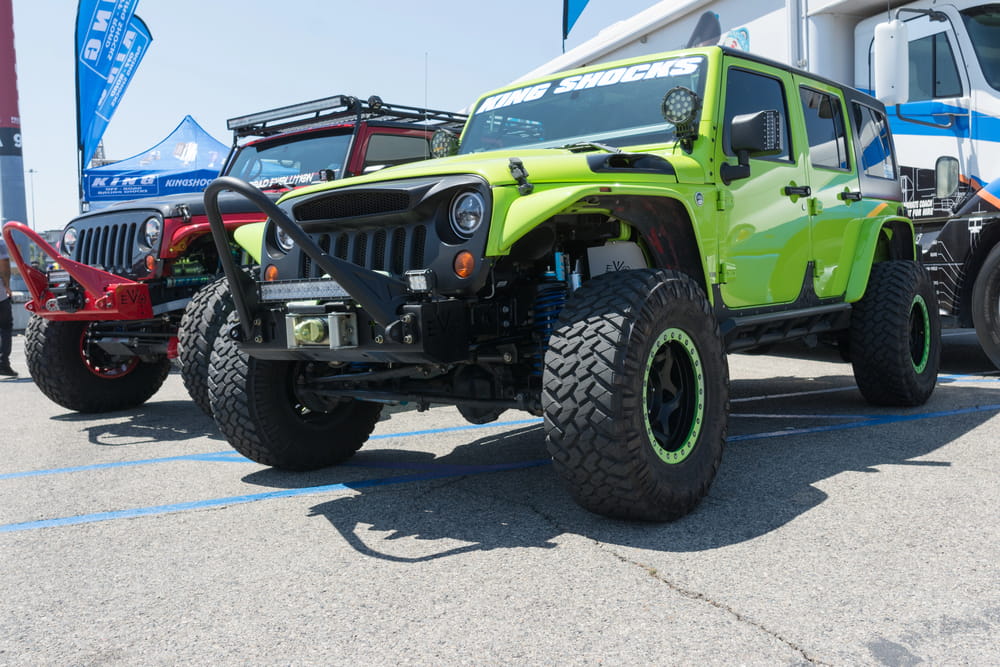
Upgrading a vehicle to be more off-road capable can improve the vehicle’s appearance and off-road abilities. Installing aftermarket components like lift kits, oversized tires, heavy-duty suspension and armor can help give your car superpowers on rough terrain; however, it does have some serious costs that you must consider prior to making the modifications. Many drivers don’t realize that these same modifications can negatively impact on-road performance, gas mileage reliability and long-term ownership costs. These trade-offs become more noticeable during normal daily driving. However, not all off-road mods are created equal, some have a bigger impact than others.
Bigger Tires, Bigger Problems
One of the most common upgrades is installing larger, more aggressive tires. While they can drastically improve traction off-road, they can create several issues on pavement, which include:
- Reduced fuel economy due to increased rolling resistance
- Inaccurate speedometer readings
- Decrease acceleration and increase braking distances
- Increased road noise and vibration
- Over time, the extra weight and size of oversize tires can accelerate wear on parts like wheel bearings, brakes and suspension components, decreasing their useful lifespan.
Lift Kits and Suspension Changes
Lifting a vehicle is one of the best ways to improve ground clearance, allowing the vehicle to traverse rugged terrains and clear bulky obstacles like boulders and large rocks. However, modifying the suspension also changes the geometry of the suspension and steering system. Especially in cases when lift kits are added without proper supporting modifications, lift kits can lead to frequent repairs and other issues, such as:
- Poor handling and stability issues, especially at highway speeds
- Uneven tire wear due to altered alignment angles
- Increased stress on ball joints, control arms, CV axles, differentials and other mechanical components
Drivetrain Stress and Wear
Off-road modifications can add additional loads to vital systems and push the drivetrain and various supporting components beyond what it was originally designed to handle. Some mods can add more stress than others, for example:
- Installing larger tires, forcing the engine and transmission to work harder
- Suspension changes put additional stress on axles and differentials experiencing increased load
- Both suspension and tire changes can increase premature wear on driveshafts and U-joints and other driveline components.
In extreme cases, owners need to re-gear the vehicle to compensate for the additional rolling weight and increased size of the wheels, which can add even more cost and complexity.
Heavier and Taller equals less efficient
Adding accessories like steel bumpers, skid plates, roof racks, and winches can significantly increase a vehicle’s weight. While this weight may not be very noticeable off-road, it can be very apparent in daily driving conditions. Additionally, making cosmetic changes like adding roof baskets and outer accessories can also decrease the vehicle’s aerodynamic efficiency, which could lead to the following:
- Significantly reduced fuel efficiency
- Increased braking distance
- Faster wear on suspension and braking systems in daily driving
Ride Quality Takes a Hit
Off-road suspension systems are designed to handle rough terrain, not smooth pavement. By modifying the suspension to make the car off-road capable, you are giving up some of the on-road creature comforts such as:
- Ride quality can become stiff or bouncy
- Increased cabin noise and vibration
- Less compliant high-speed handling characteristics
More Maintenance & Repairs, More Often
Keep in mind the vehicle manufacturer never intended for the vehicle to be modified in certain ways. This is the reason that most off-road modified vehicles typically require frequent maintenance and repairs. The most common issues include:
- Loose suspension components requiring Re-torquing
- Alignment issues requiring frequent inspections
- Worn and failing suspension components
- Fluid leaks and contamination
- Prematurely worn drivetrain components
Insurance and Legal Considerations
Some modifications can also create complications beyond mechanical issues; they can increase safety issues, causing the vehicle to fail state-mandated safety inspections and create potential legal issues related to non-approved modifications. A documented modified vehicle can also have higher insurance costs or limited coverage. Needless to say, these issues can result in a lot of unnecessary headaches, especially for owners planning to use their off-road rigs as daily drivers.
The Trade-Off
Off-road modifications are not inherently bad; they serve an important purpose. But the key is understanding the trade-off and the fact that the negatives vary greatly based on how you intend to use the vehicle. If you are just looking for a car to take out on the terrain on the weekends, the off-road modifications may not come with such big tradeoffs; however, if you plan to drive it back and forth to work daily, then they tend to become considerably more noticeable.
Final Thoughts
Before modifying your vehicle, consider how often you’ll use its off-road capabilities. If the vehicle spends most of its time on pavement, aggressive upgrades may create more problems than benefits. In many cases a balanced approach focusing on moderate, well-planned upgrades can help maintain drivability while still improving the vehicles off-road capability.
Read more articles